

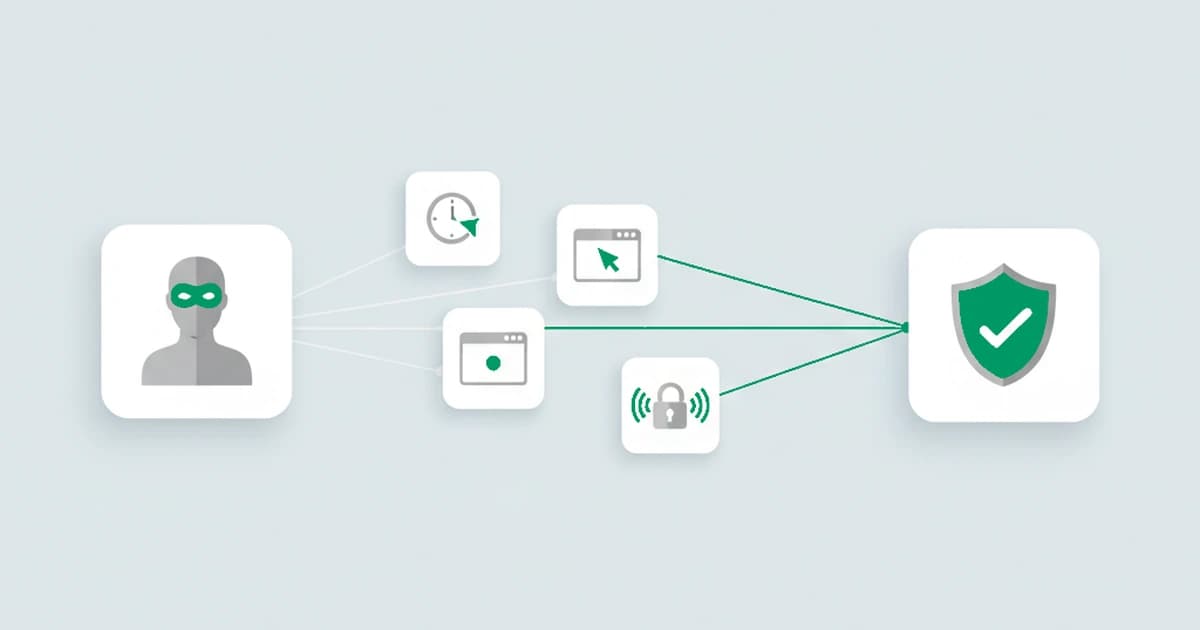
FeaturedAnonymous traffic
How to identify anonymous traffic and visitors
How to identify anonymous traffic and recognize returning visitors hidden behind VPNs, proxies, Tor, Private Relay, and anti-detect browsers.
Detection methodology, anonymity research, and abuse-prevention playbooks for teams that protect their traffic.
How to identify anonymous traffic and recognize returning visitors hidden behind VPNs, proxies, Tor, Private Relay, and anti-detect browsers.
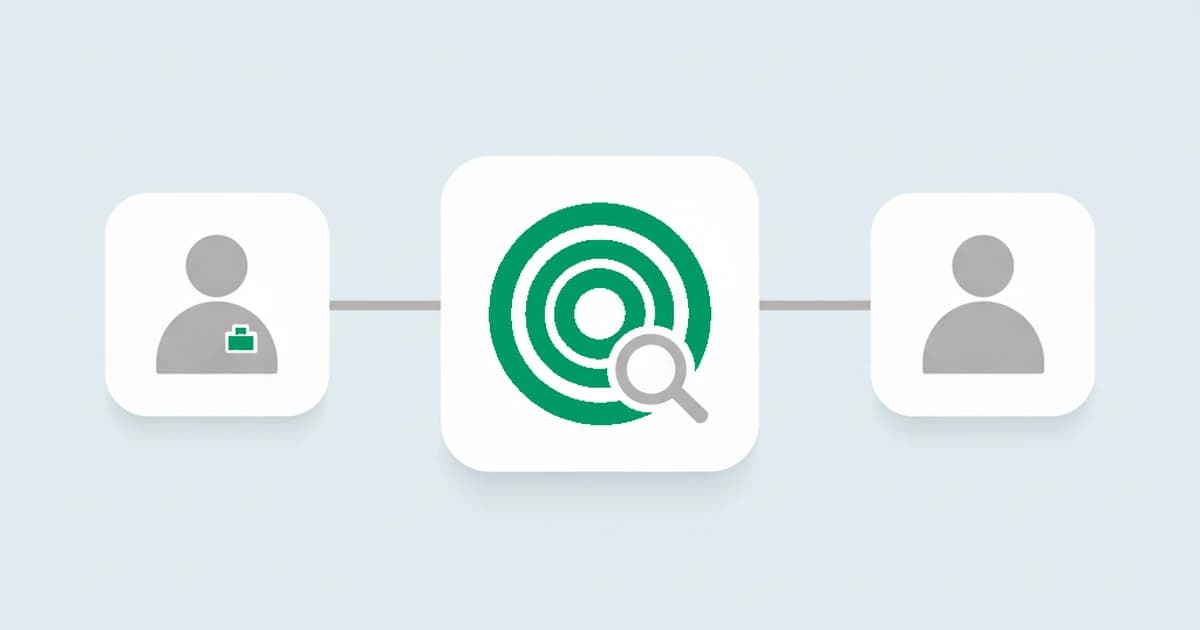
Detecting Tor traffic is easy because exit nodes are public. The hard part is acting on it without blocking real users. How web detection actually works.
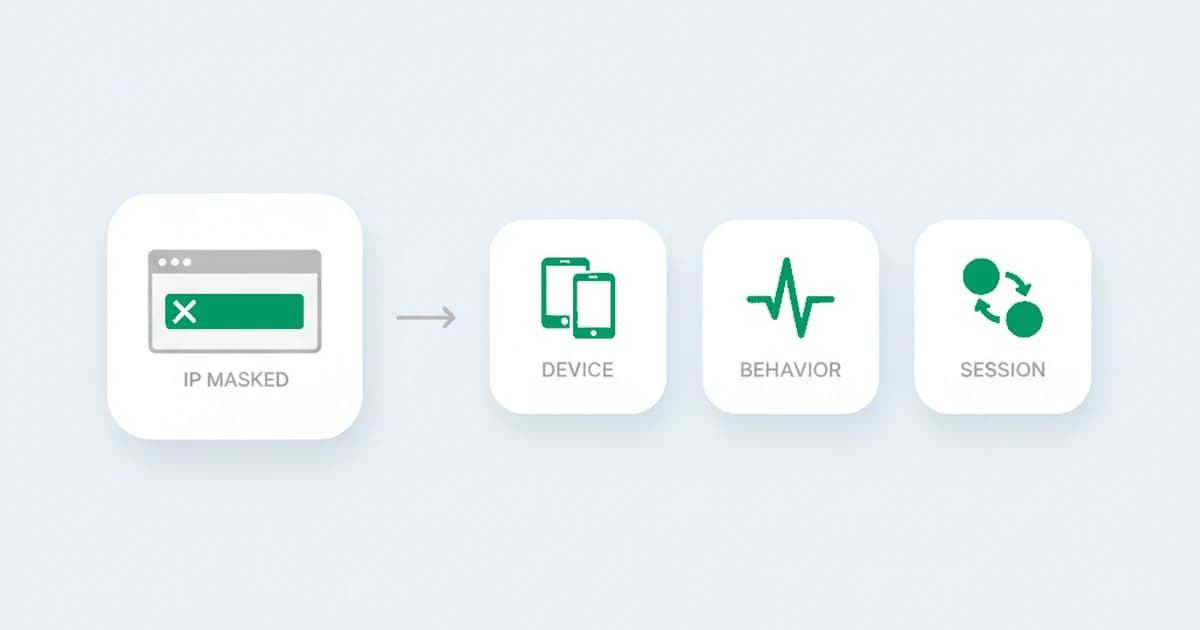
What iCloud Private Relay and Chrome IP Protection actually change for fraud detection: what degrades, what survives, and why masking is not evasion.
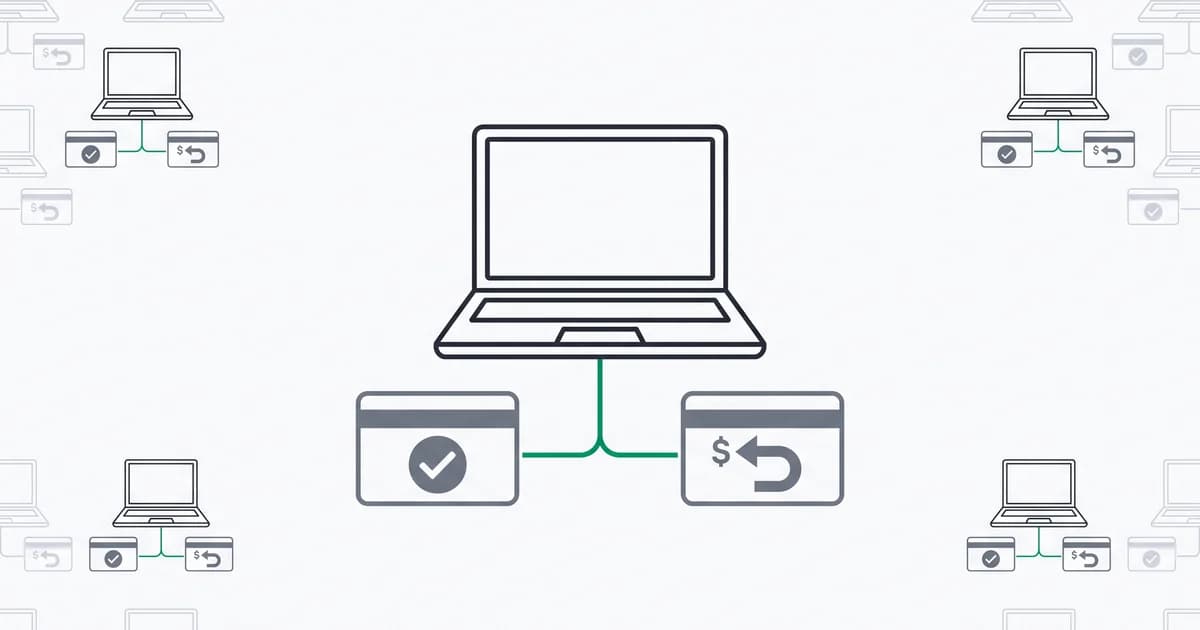
Friendly fraud is when a real customer disputes a purchase they made. How it works, why it is hard to prove, and how device evidence helps you fight it.
WebGL fingerprinting identifies a device by how its GPU renders 3D graphics. How it works, what it reveals, and how it differs from canvas.
TLS fingerprinting identifies the software behind a connection from its TLS handshake. How it works, what JA3 and JA4 are, and what it reveals.

Font fingerprinting identifies a device by which fonts are installed, read from how text renders. How it works, what it reveals, and how stable it is.
Audio fingerprinting identifies a device by how it processes a sound signal in the browser. How it works, what it reveals, and how stable it is.
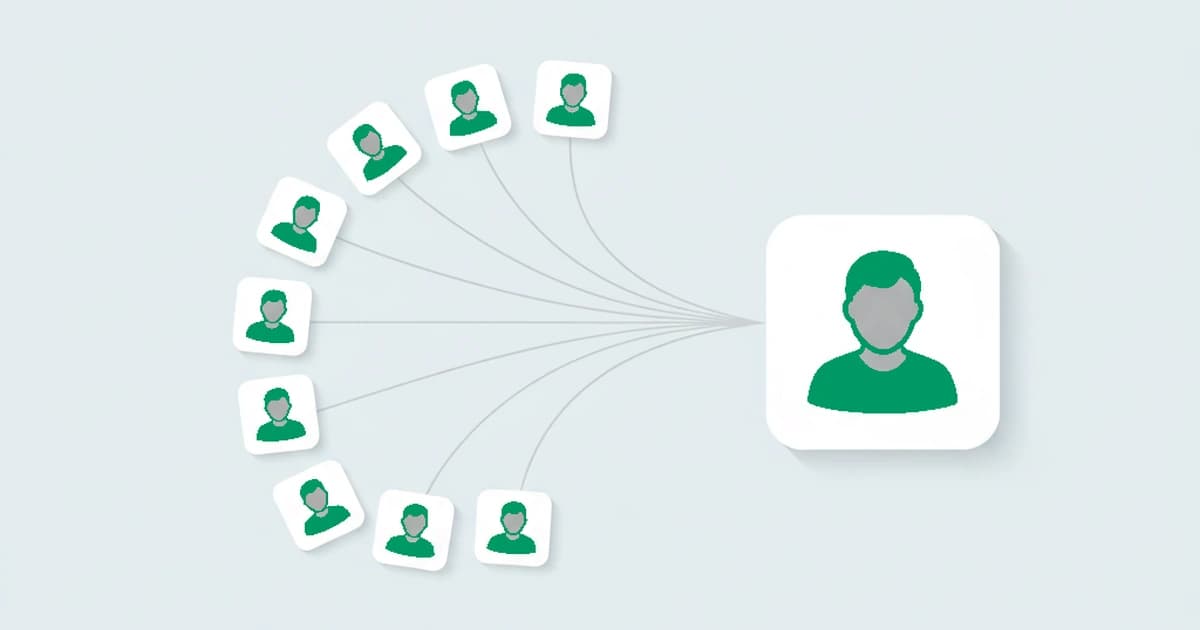
How to prevent multi-accounting: detect one person operating many accounts, why IP-based detection fails, and where detection ends and your decision begins.
Impossible travel detection flags an account logging in from two far-apart places. Why velocity alone over-fires on VPNs, and how the device fixes it.
How to detect account takeover at login: the device and network signals that flag a suspicious login, why MFA alone misses them, and where the gap is.
WebRTC fingerprinting uses a browser's real-time connection setup to expose network data, including a local or real IP behind a VPN. How it works.
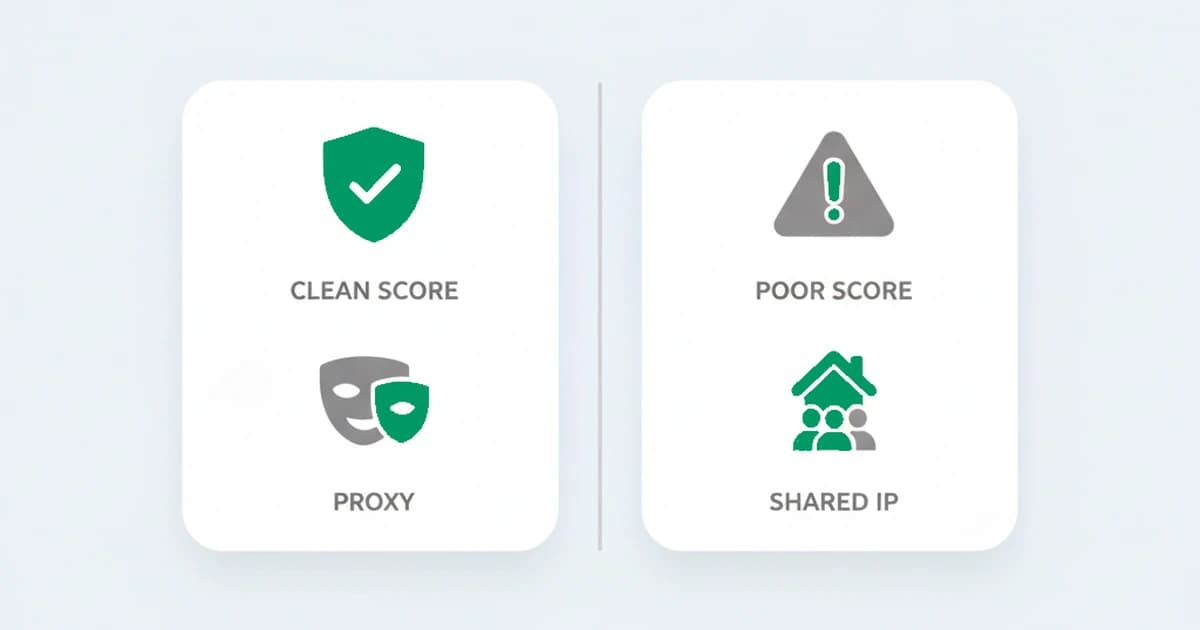
What IP reputation is, how the 0 to 100 score is built, and why a clean IP score alone will not catch fraud. The lagging, shared, and recycled-IP problem.
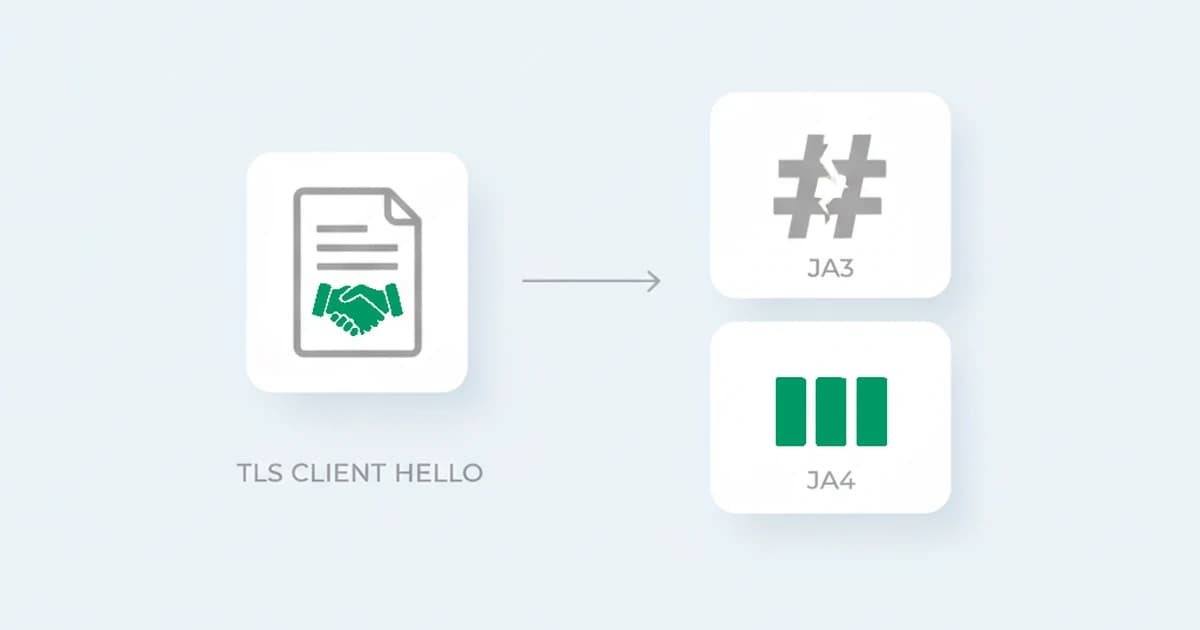
What JA4 fingerprinting is, how it fixes JA3's weakness to TLS randomization, the JA4 string format and JA4+ suite, and what it can and cannot identify.
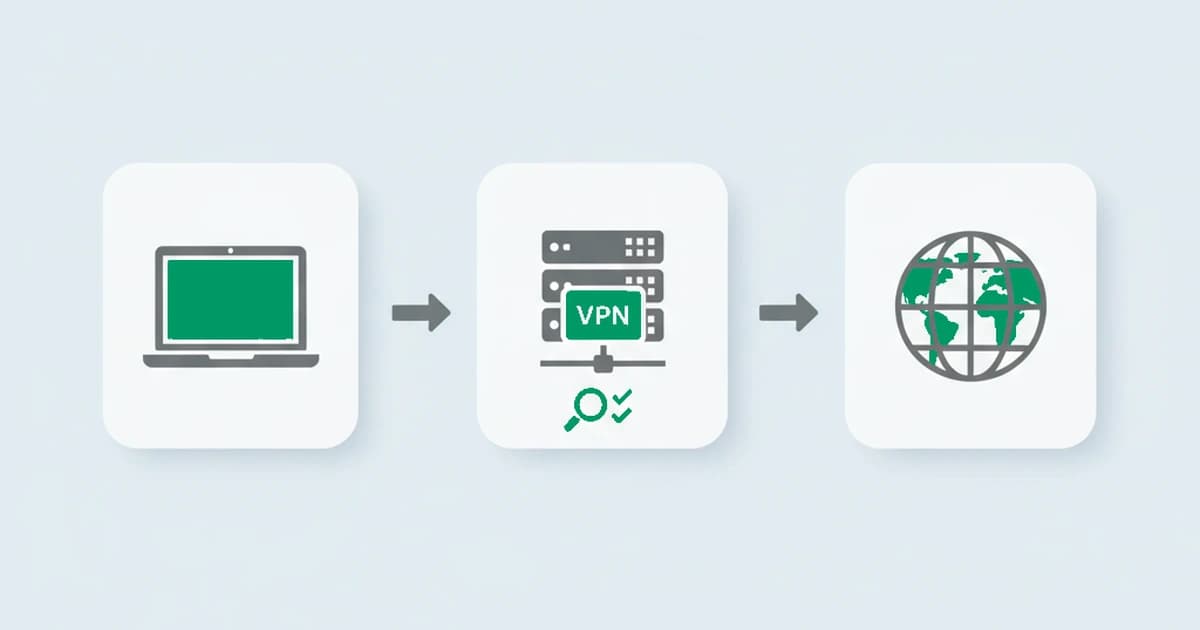
How to detect VPNs in 2026: the methods that actually work, why an IP check alone fails, and how masked traffic ties to abuse and risk.
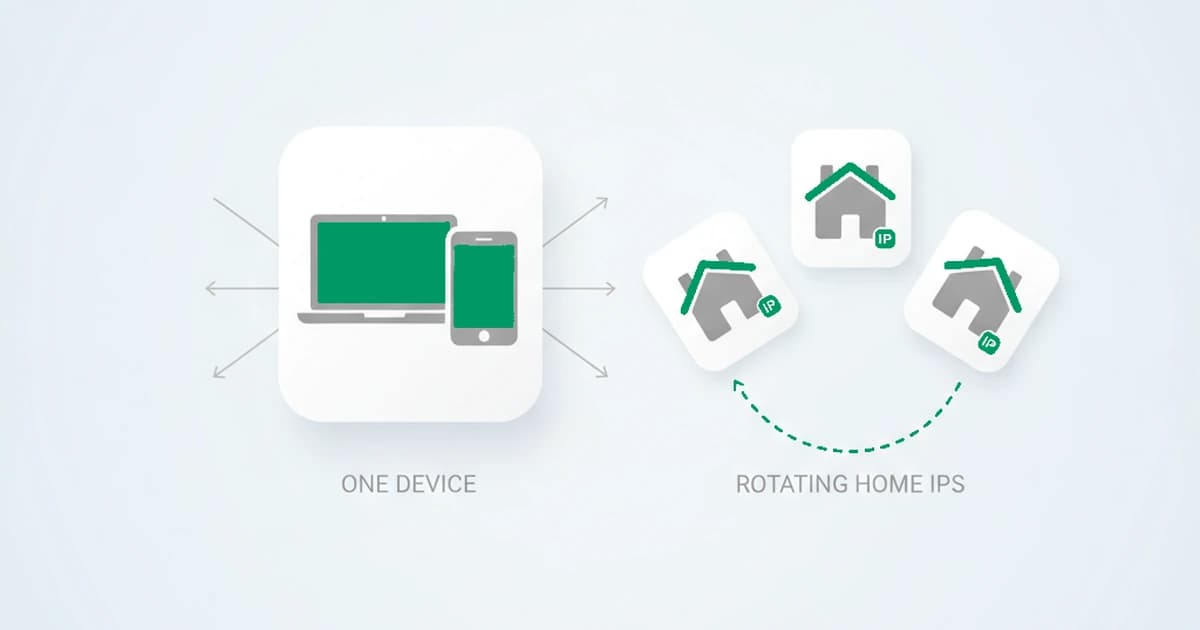
What a residential proxy is, where the home IPs come from, why IP checks miss them, and how residential proxy detection actually works without relying on the address.
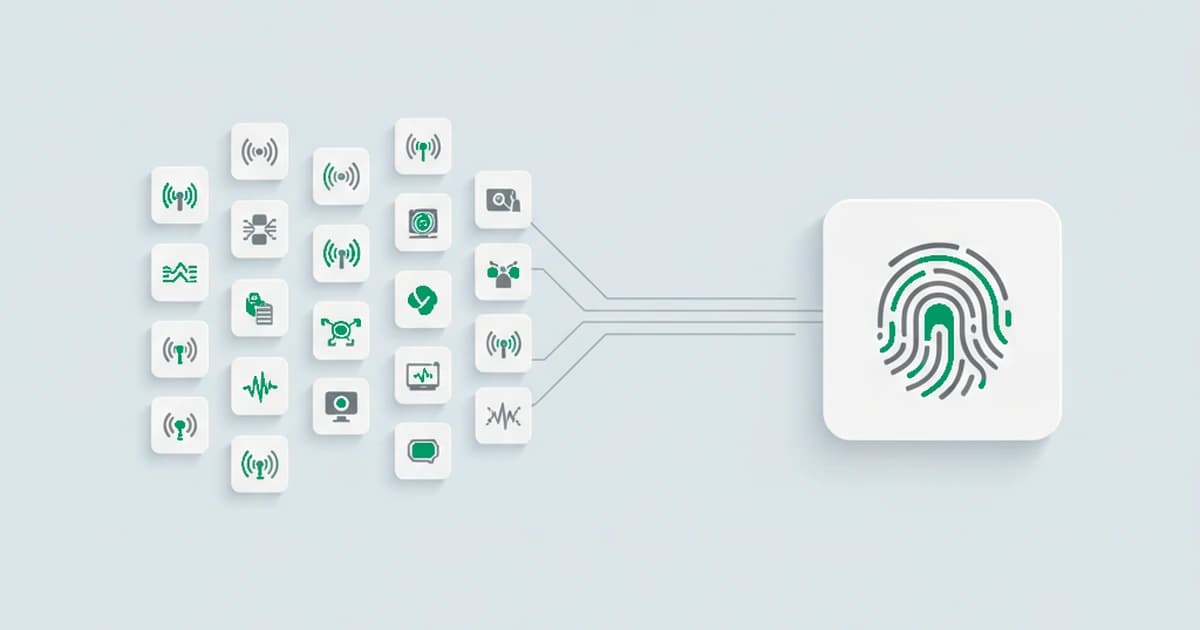
What is device fingerprinting: the signals that make up a device fingerprint, how the recognition works across browsers, web vs mobile, and what teams use it for.
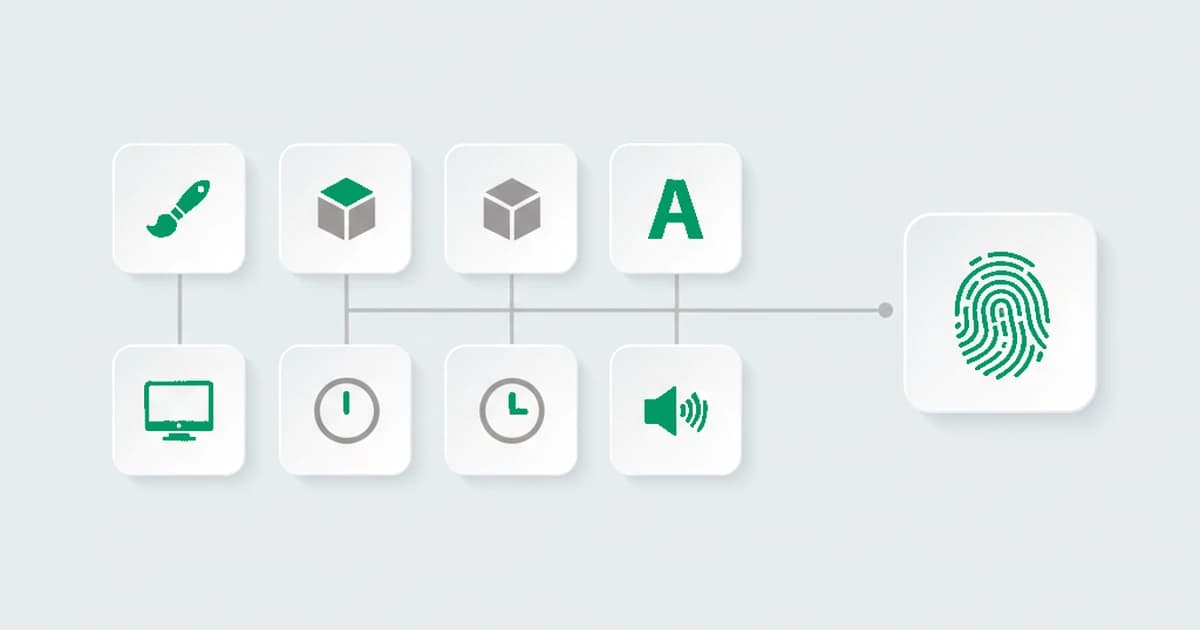
Browser fingerprinting identifies a device from 100+ datapoints. Learn how canvas, WebGL, and IP signals work, plus detection methods and countermeasures.
Canvas fingerprinting identifies a browser by how it renders a hidden image. How it works, what it reveals, how stable it is, and its role in fraud detection.
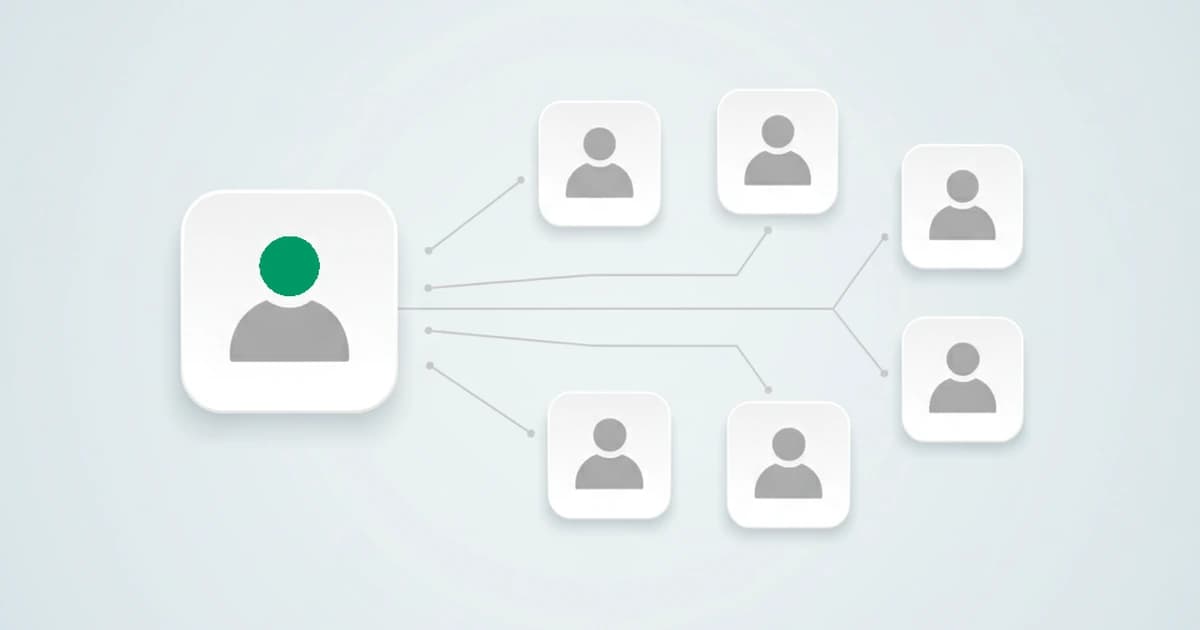
How account sharing detection works: counting the distinct devices behind one login, the signals that reveal it, and how to act without false positives.
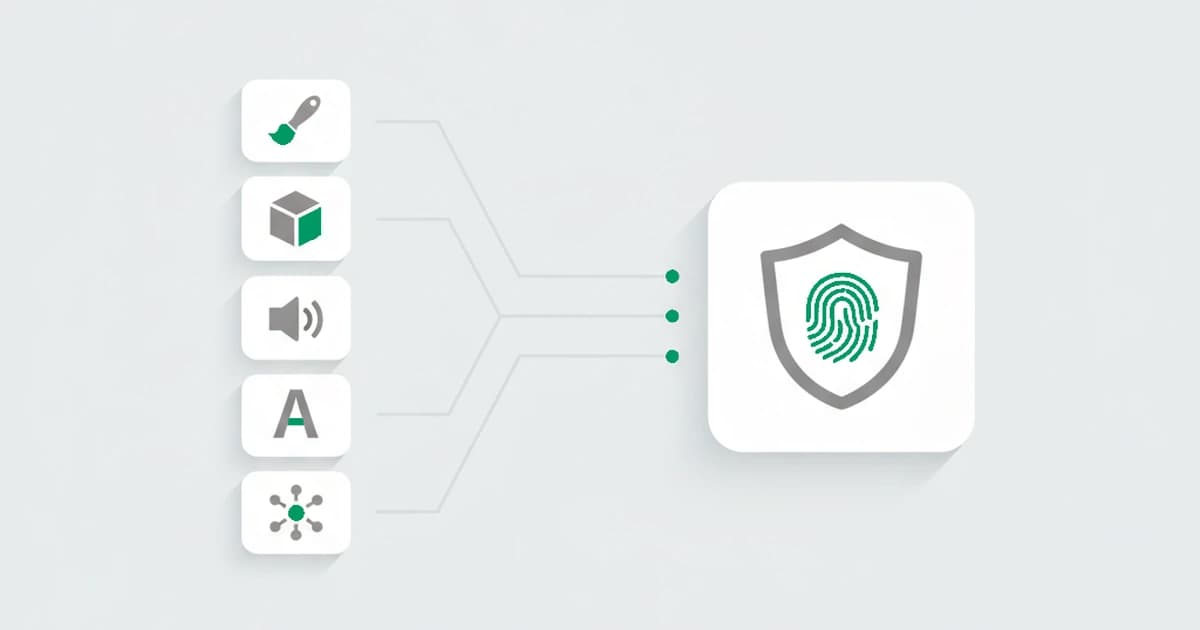
The main browser fingerprinting techniques: canvas, WebGL, audio, fonts, TLS (JA3/JA4), and more, what each one reads and how stable it is.
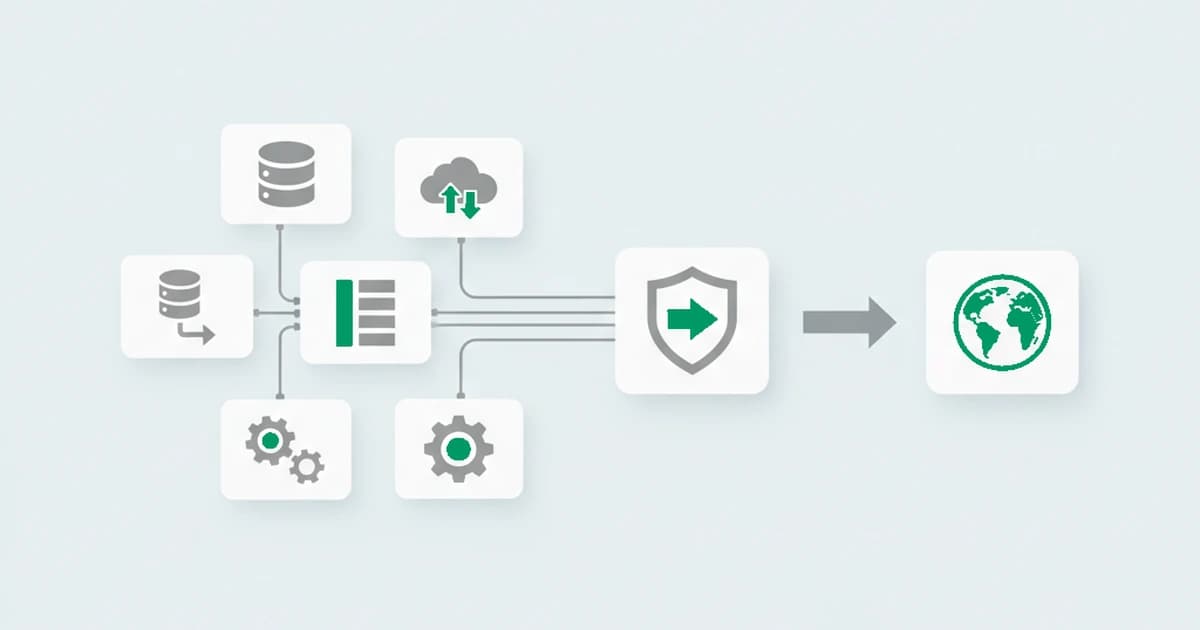
How proxy detection works for fraud prevention: 13 techniques, why residential proxies are hard to spot, and why an IP check alone is never enough.
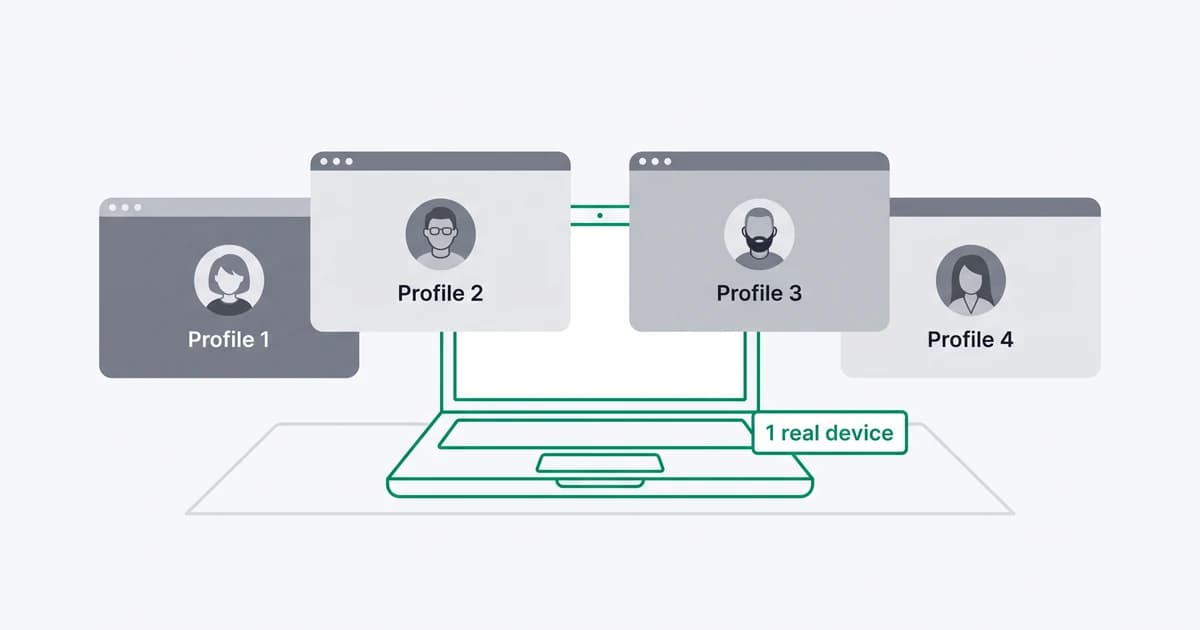
Anti-detect browsers fake a new device per profile to power multi-accounting. How to detect them: the signals that expose them and why no one check is enough.
