

Stop click fraud and wasted ad spend
Identify anonymous clicks designed to drain pay-per-click campaign budgets
Stop click fraud, invalid traffic, and anonymous ad clicks before they drain marketing spend, through persistent identification and real-time risk scoring
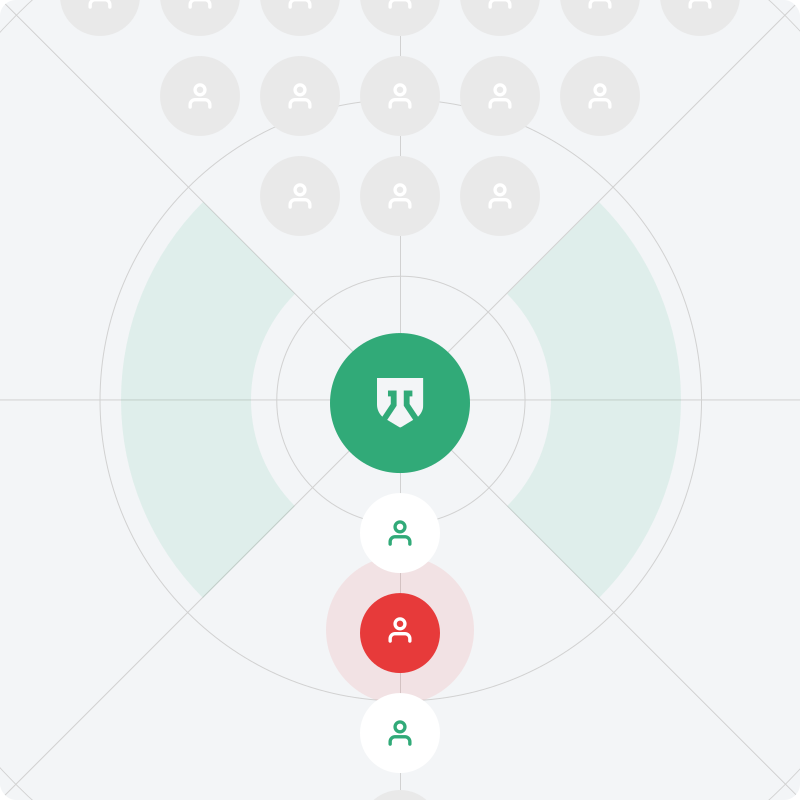
Identify anonymous clicks designed to drain pay-per-click campaign budgets
Filter click farms and anonymous clicks before lead quality drops
Stop fake clicks from poisoning CAC, ROAS, and cohort analytics
Score clicks the moment they land, before attribution settles
Spot fraud share per channel and reallocate before budget commits
Document every invalid click with signal-level evidence for refunds
A complete ad fraud prevention solution with real-time analytics across every visitor, channel, and High-Risk Event
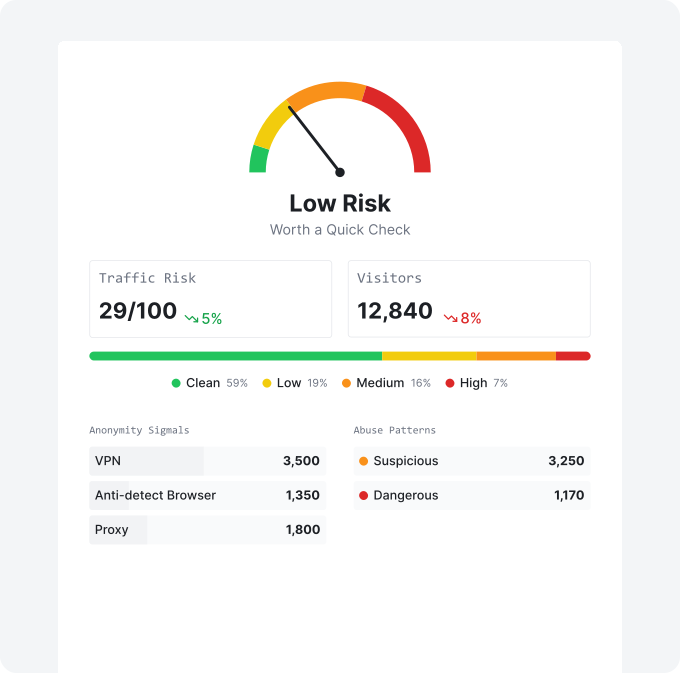
A single quality score showing what share of incoming ad traffic is anonymous and what share is real
Surface VPN, proxy, geolocation spoofing, anti-detect browser usage, and other risk signals on every visit
Identify returning visitors and users across sessions, rotated IP and incognito mode even when they cycle ad clicks under new identities
See countries, devices, and browsers behind real ad clicks, separated from the noise of anonymous traffic
A ready-to-use score reflecting the risk of each visit, with the weight of every signal behind it
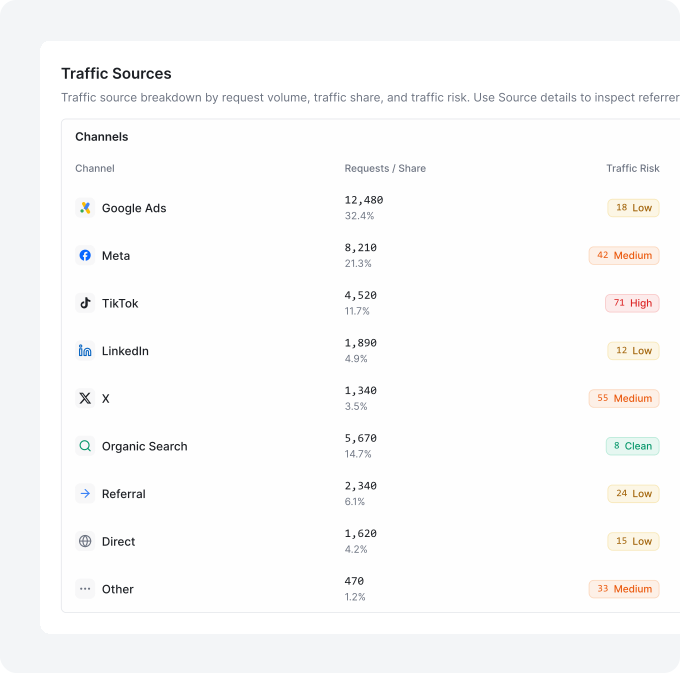
View traffic by Channel, Referrer, or UTM Parameter with a per-source traffic risk score on every row
Pair ad spend with anonymous-traffic share per source so CAC reflects real people, not just clicks
Scale and reallocate budget based on per-channel and per-UTM risk data no standard analytics gives
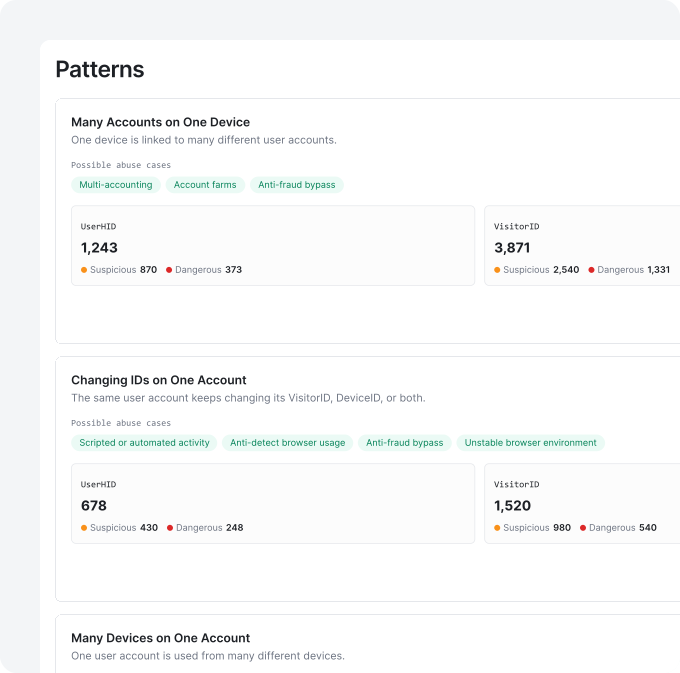
High-Risk Events detected out of the box: multi-accounting, account sharing, impossible travel and account takeover, each with Medium or High confidence
Link clicks from the same visitor and user across multiple campaigns into one fraud ring through a persistent identifier
Search full identification data filtered by risk score to find and review the riskiest ad clicks fast
Track High-Risk Events per visitor and user to focus on the clearest threats first
Export the full signal trail per flagged click for ad partner refunds
Easily integrate into any landing page, ad-tracking flow, or attribution pipeline
Get 5,000 free identifications
It identifies every visitor and returns their risk signals and a risk score
See how much of your traffic is masked, with an overall traffic score
Get the risk score, risk signals and High-Risk Events in your backend to stop fraud and abuse
{
  "request_id": "0c284695-cf0b-4755-8beb-0a2e9536595e",
  "visitor_id": "aa8c616a-8a25-4a5e-bee2-a9a08e5128a4",
  "device_id": "6a45967d-1371-9652-ba99-b01ea3992208",
  "public_ip": { "ip": "62.197.149.124", "country": "United States" },
  "local_ip": { "ip": "45.83.91.7", "country": "United States" },
  "connection_type": "vpn",
  "traffic_source": {
    "channel": "paid",
    "utm_source": "google",
    "utm_medium": "cpc",
    "utm_campaign": "brand"
  },
  "risk_score": 70,
  "signals": [
    { "name": "antidetect_browser", "weight": 60 },
    { "name": "proxy", "weight": 10 }
  ]
}Free 5,000 one-time identifications, with transparent pricing that scales with your needs
Ad fraud is invalid traffic that mimics real user behavior to drain advertising budgets and pollute attribution data. It is an umbrella term covering click fraud, impression fraud, install fraud, and domain spoofing. ShieldLabs scores every ad click on the first visit with 300+ device, browser, and network signals, surfacing the anonymity behind invalid traffic before attribution data is recorded.
The most common types of advertising fraud are click fraud, impression fraud, install fraud, and domain spoofing, and all four share one tell: the device, browser, or network behind the click does not match a real human visitor.
ShieldLabs surfaces that cross-layer mismatch through risk signals and High-Risk Events on every identification, so you can see which clicks came from real people.
ShieldLabs scores every ad click for anonymity the moment it lands, across Google Ads, Meta, TikTok, LinkedIn, X, or any other paid channel, so your team can filter invalid traffic before it reaches attribution. It works the same way on every channel:
ShieldLabs gives marketing teams the data to filter high-risk clicks out of conversion attribution, reallocate spend away from channels with high invalid-traffic shares, and document invalid clicks per partner, without waiting for ad-network refund cycles.
Click fraud is one specific type of ad fraud; ad fraud is the umbrella term for every scheme that produces invalid traffic. The distinction is one of scope:
ShieldLabs surfaces both: it scores any click or impression where the visitor behind it is anonymous or running an anti-detect browser, so you can tell invalid traffic from real people regardless of the scheme.
ShieldLabs scores ad fraud at the visitor and user level through persistent identification, where most ad fraud tools either chase PPC click-tax refunds or sell sales-led viewability suites. The category splits three ways:
ShieldLabs gives enterprise-level functionality without enterprise pricing: the full signal set is self-serve from $99 a month.
No. ShieldLabs helps block fraudulent and abusive traffic, and a VPN on its own does not make a visitor risky. Every click comes back with a Risk Score and signal Details.
ShieldLabs gives you the score and the evidence, and you choose the action for each click: challenge, ignore, or discount it.
Industry research estimates digital ad fraud losses at over $100 billion globally in 2025–2026, but the share that hits any single advertiser depends entirely on its channel mix. Typical patterns:
ShieldLabs measures the exact anonymous-traffic share on your own campaigns, so you see real ad-fraud impact per channel instead of relying on industry averages.