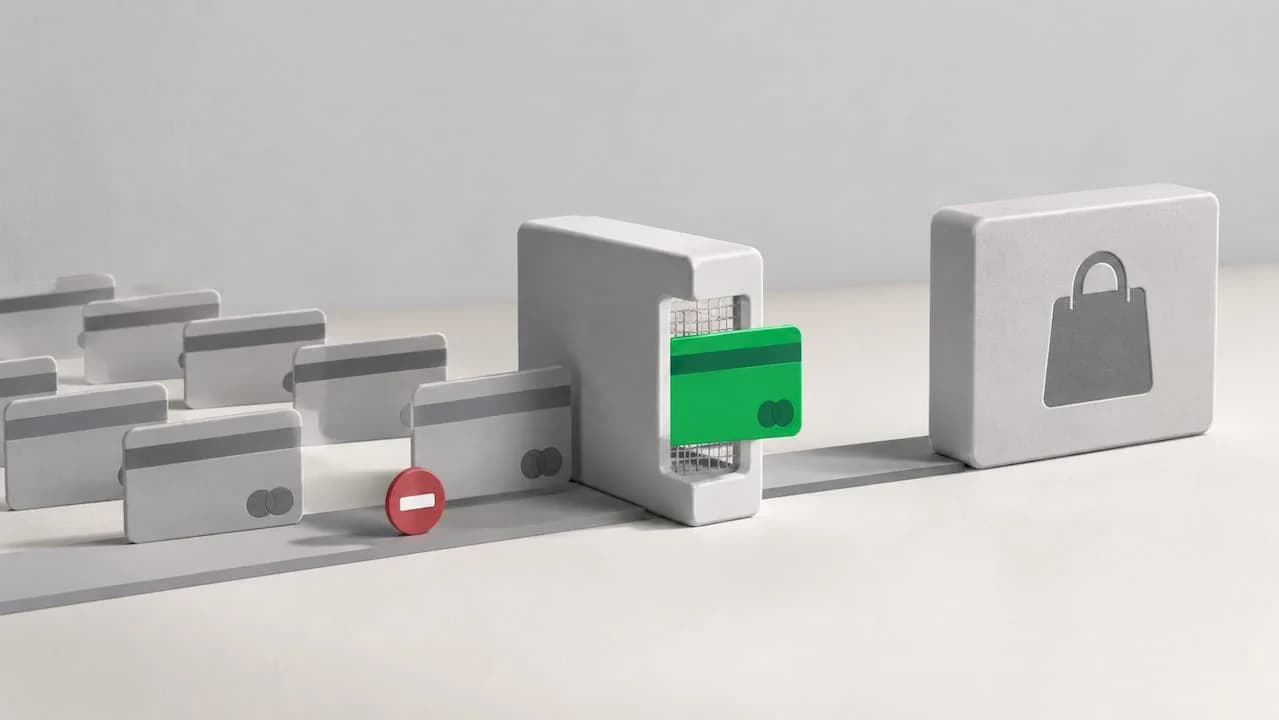

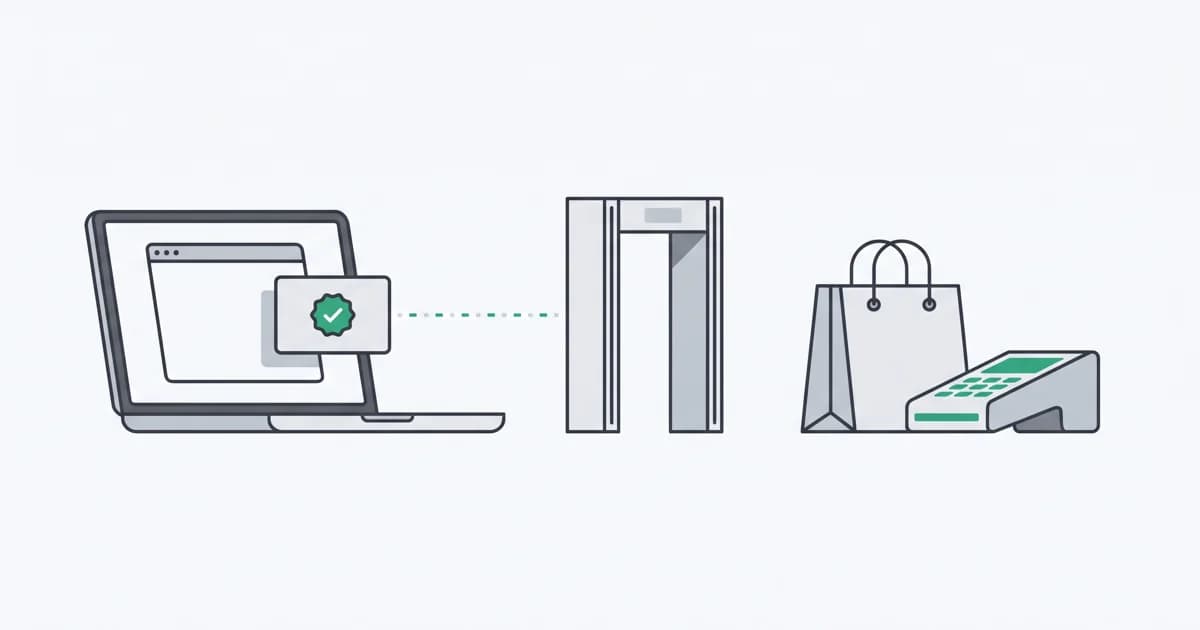
Payment Fraud Prevention Implementation: Device Evidence Before Checkout
Build payment fraud prevention into checkout with server-verified device evidence, order binding, safe retries and signed webhooks. Follow a tested example.
Learn about fraud detection and prevention, device intelligence, bot detection and traffic risk scoring.

Build payment fraud prevention into checkout with server-verified device evidence, order binding, safe retries and signed webhooks. Follow a tested example.

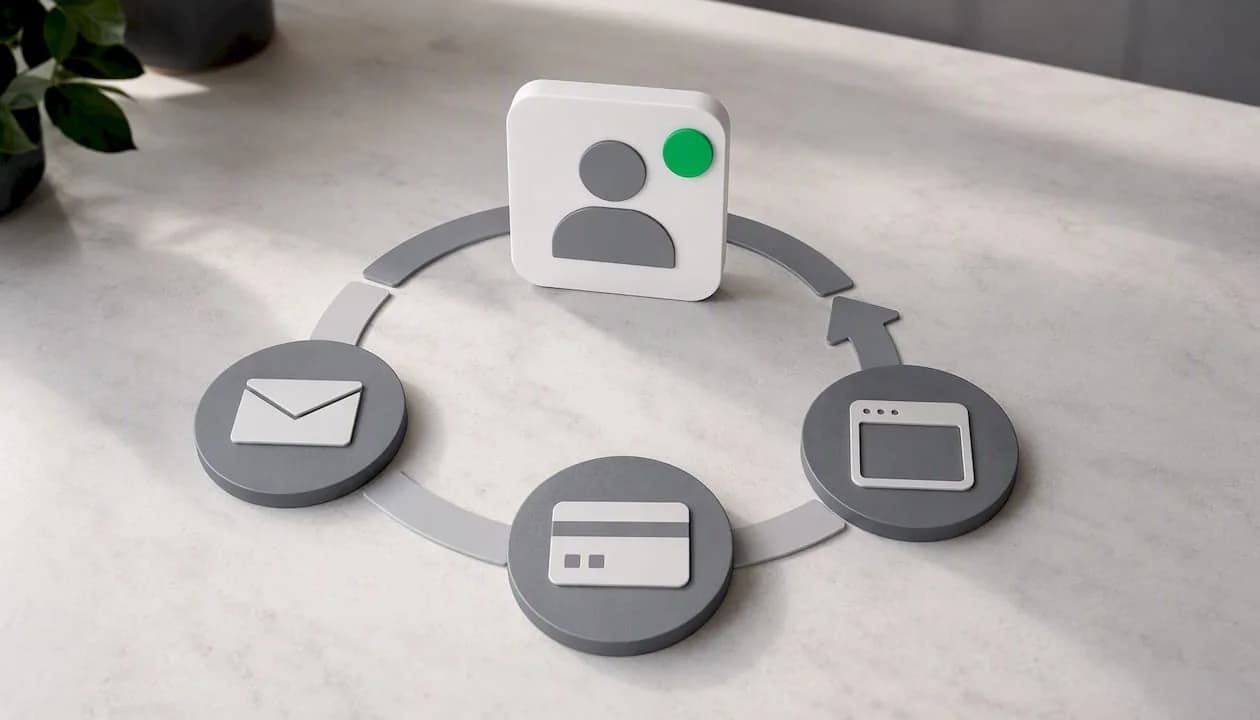
Detect free trial abuse without blocking real users. Use auditable signals, progressive friction, and metrics to protect conversion.

Cut bot damage on WordPress by detecting early, logging first, and tuning rules safely. Install one JS snippet in about five minutes.

Implement persistent device IDs on Android, iOS, and web: MediaDrm and Keychain storage, migration, privacy best practices, and where ShieldLabs fits.

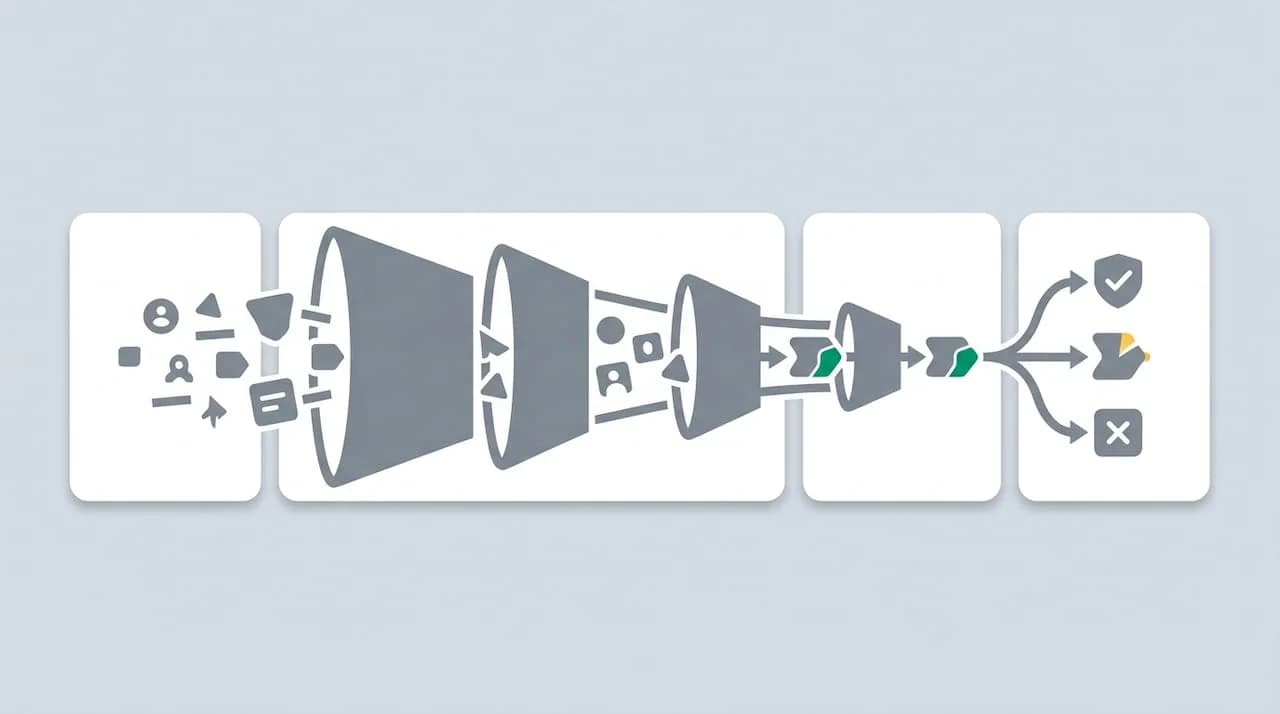
Practitioner guide to fake signup detection: build a four stage risk funnel and use persistent visitor IDs and auditable signals to cut fake accounts.

Developer-first playbook for Selenium detection across five signal groups: JavaScript flags, CDP artifacts, rendering, network, and behavior.

Implementation focused proxy detection for engineers and fraud teams: APIs, caching, TLS fingerprints, and a 0–100 confidence model to cut false positives.

Dev & Sec teams: detect headless browsers early with JA4/HTTP2 fingerprints, WebGL and CDP timing; includes test-harness practices and risk scoring.

Playbook for fraud teams: measure rule-level false positives, run shadow tests and regression checks, then add visitor ID signals to cut noise.

Operations first playbook to detect card testing: five signals and controls to stop cash out. With ShieldLabs' 5,000 free IDs (one time).

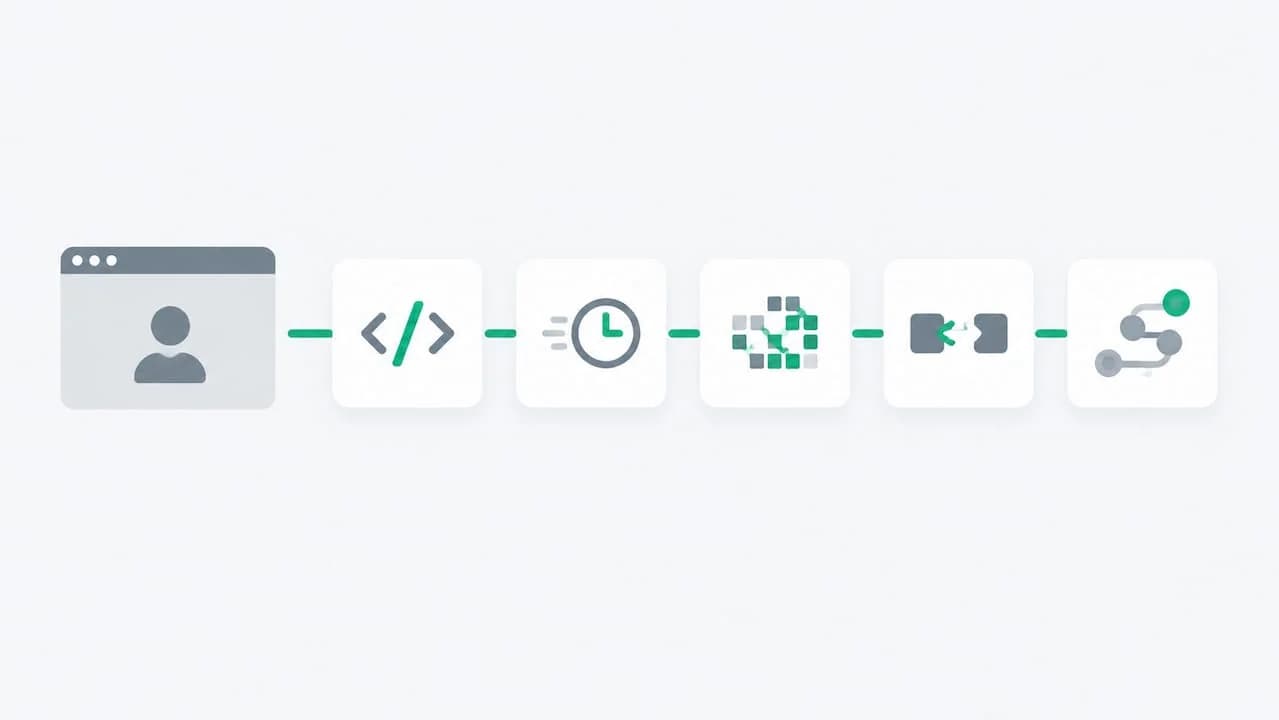
Integration-ready guide for engineering teams adding passive signals to a risk-based auth stack: the four-stage flow and sub-100ms latency targets.

Practical playbook for fraud and product teams deploying visitor identification: prioritized engineering checks, monitoring rules, and vendor evaluation.

Returning visitors convert far better than first-timers, but logged-out shoppers look new. Recognizing the returning device captures the conversion lift.