


Privacy Preserving Identification: 897 Risk Flags for Business Teams
Learn how coarse fingerprints support visitor identification that respects privacy, what fraud metrics reveal, and how business teams can use a checklist.
Blog / Anonymous traffic
Learn how coarse fingerprints support visitor identification that respects privacy, what fraud metrics reveal, and how business teams can use a checklist.
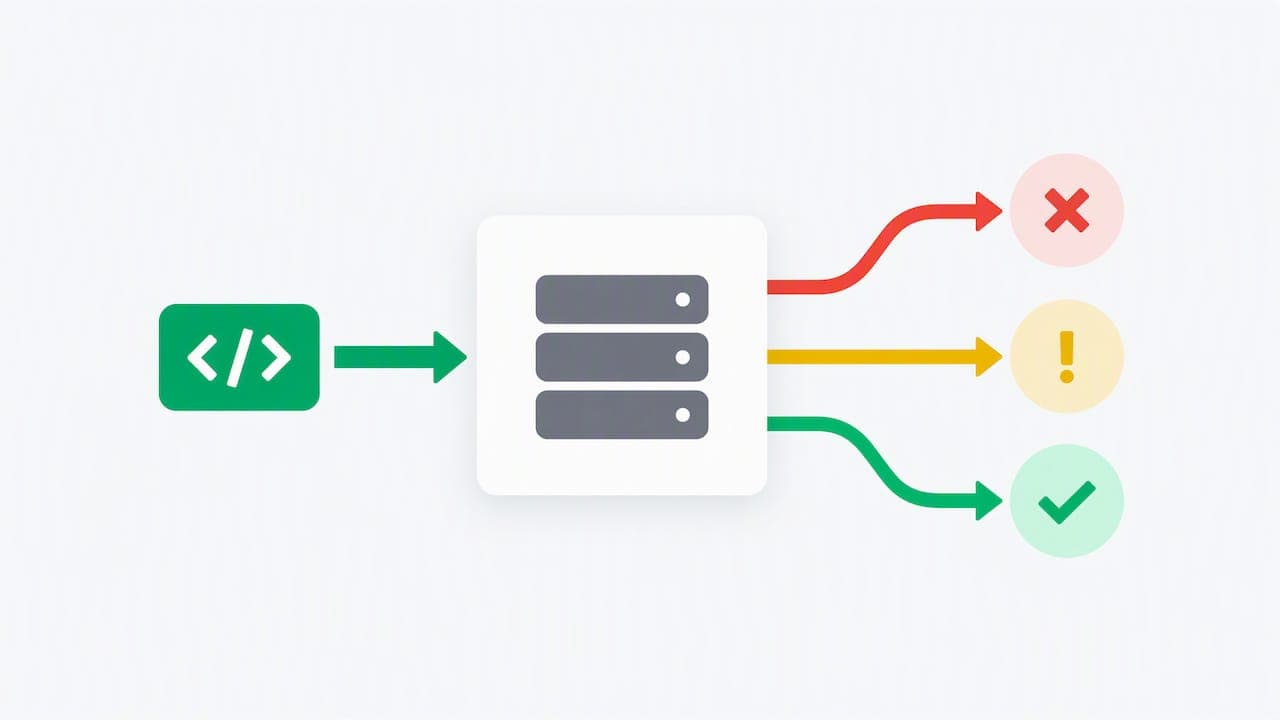
Developer playbook for privacy first React bot detection. Use invisible attestation, graduated responses, and auditable ShieldLabs signals. One JS snippet...
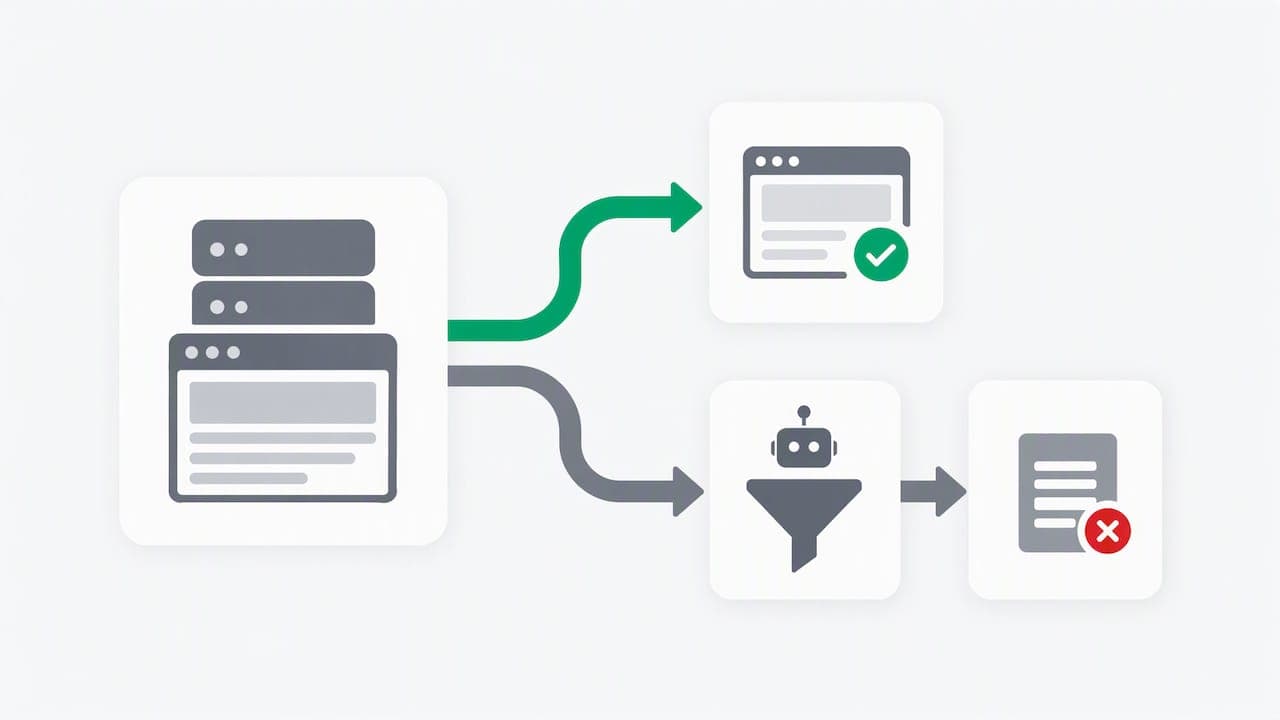
Angular-focused, actionable steps to run SSR safe client checks, validate tokens server side, apply OWASP layering, and use ShieldLabs signals for...
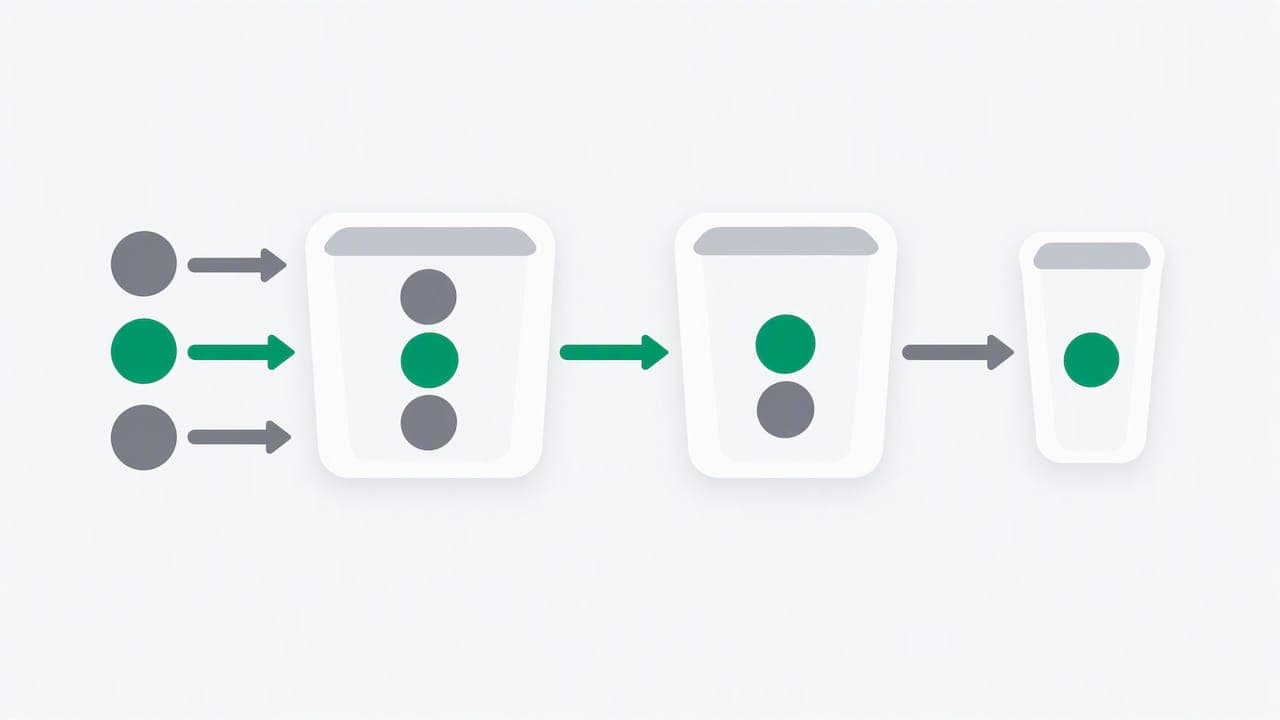
Layered Laravel bot detection with endpoint rate limits, Redis scaling, honeypots, logging and web device signals.
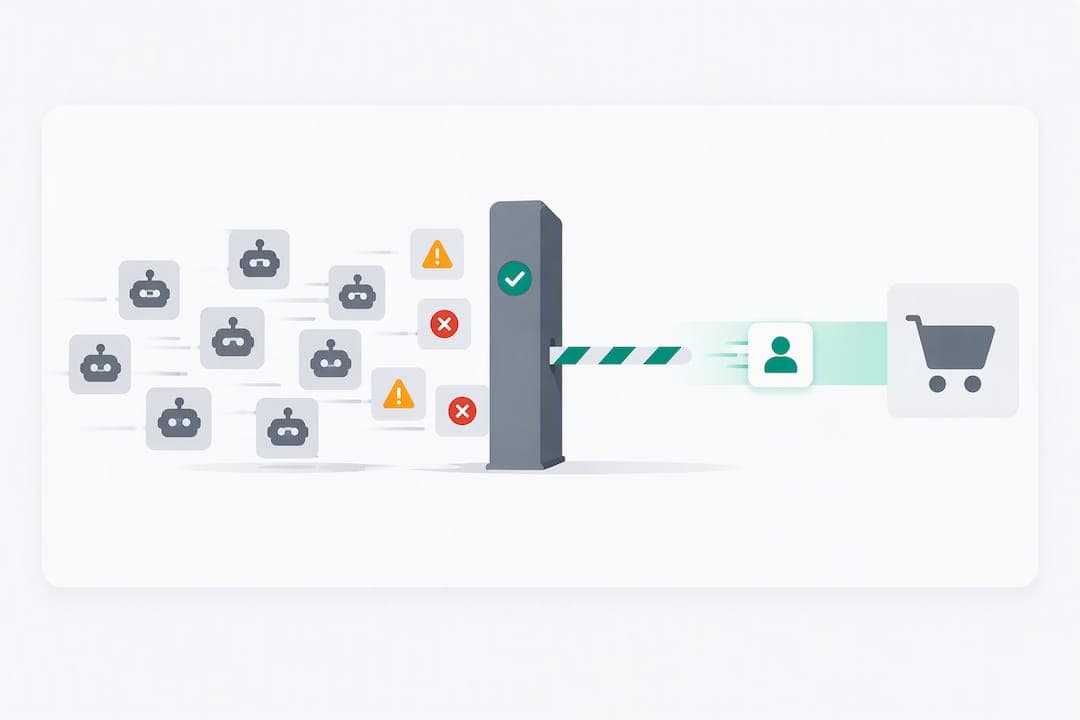
A practical guide to bot signals, edge and application controls, and measured rollout for ecommerce teams without overstating one study result.
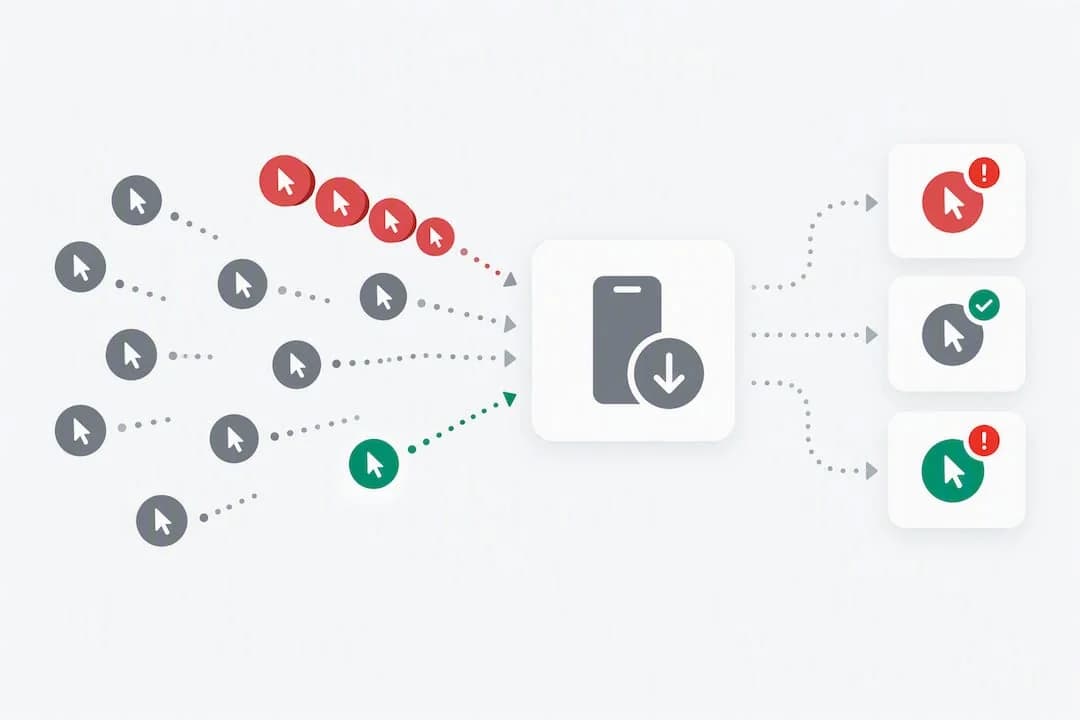
Operational playbook for marketers and fraud analysts: three checks, CTIT, conversion baselines and device fingerprints, to detect click spamming early.
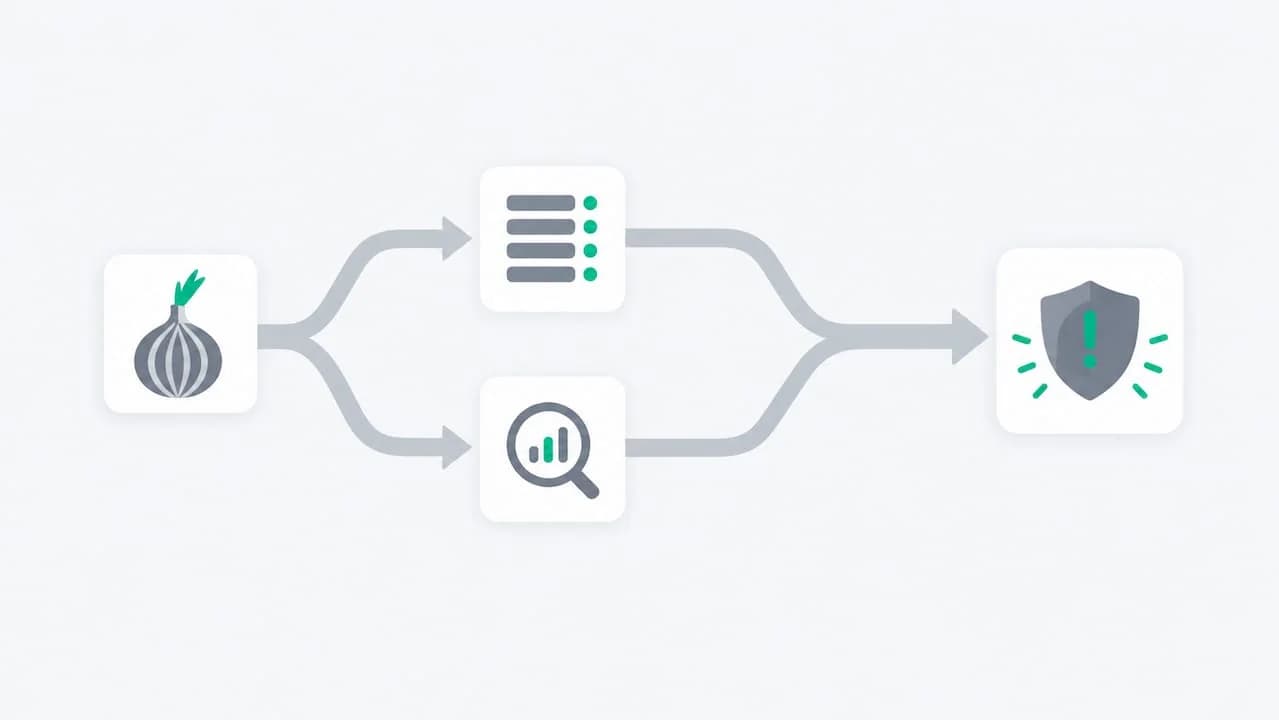
Ops first Tor detection for security engineers: deploy exit lists, DNS/API lookup, TLS fingerprints, and auditable signals in five minutes.
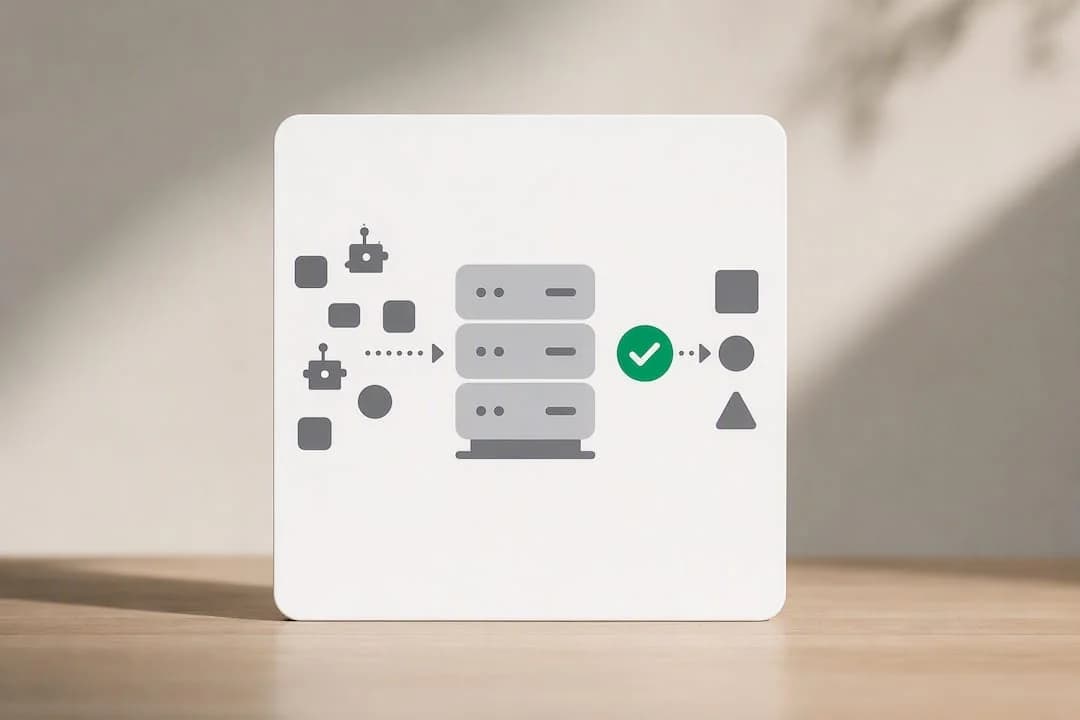
Cut bot damage on WordPress by detecting early, logging first, and tuning rules safely. Install one JS snippet in about five minutes.

Implementation focused proxy detection for engineers and fraud teams: APIs, caching, TLS fingerprints, and a 0–100 confidence model to cut false positives.

Practical playbook for fraud and product teams deploying visitor identification: prioritized engineering checks, monitoring rules, and vendor evaluation.
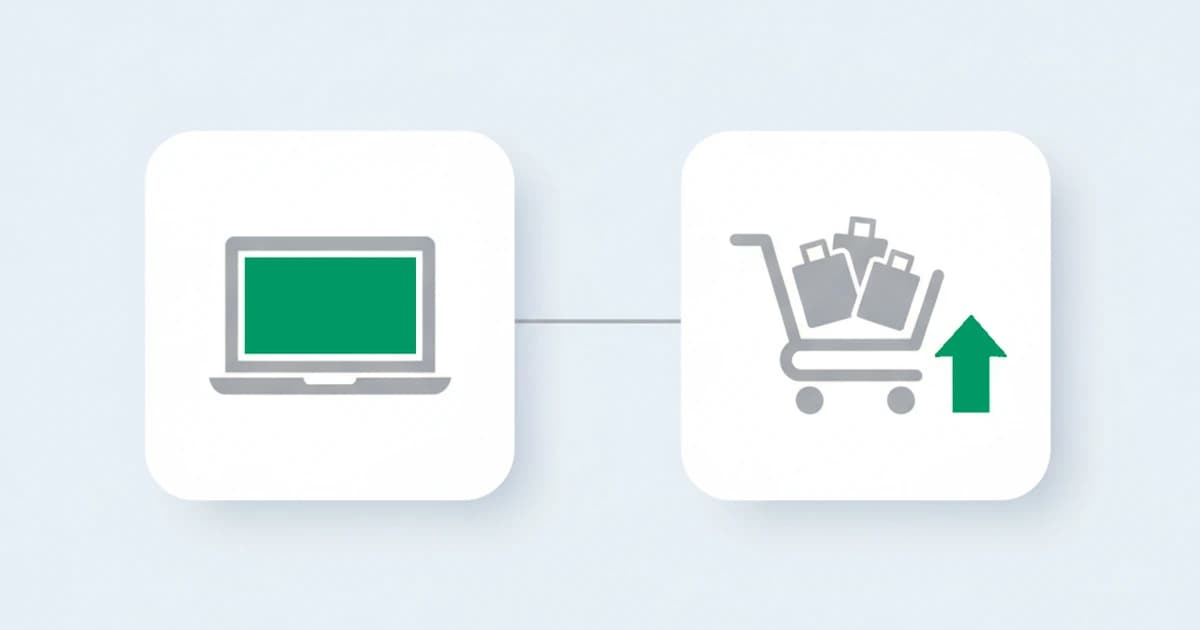
Returning visitors convert far better than first-timers, but logged-out shoppers look new. Recognizing the returning device captures the conversion lift.
How to personalize for returning visitors who are not logged in, by recognizing their device with a durable identifier that holds without cookies.

