

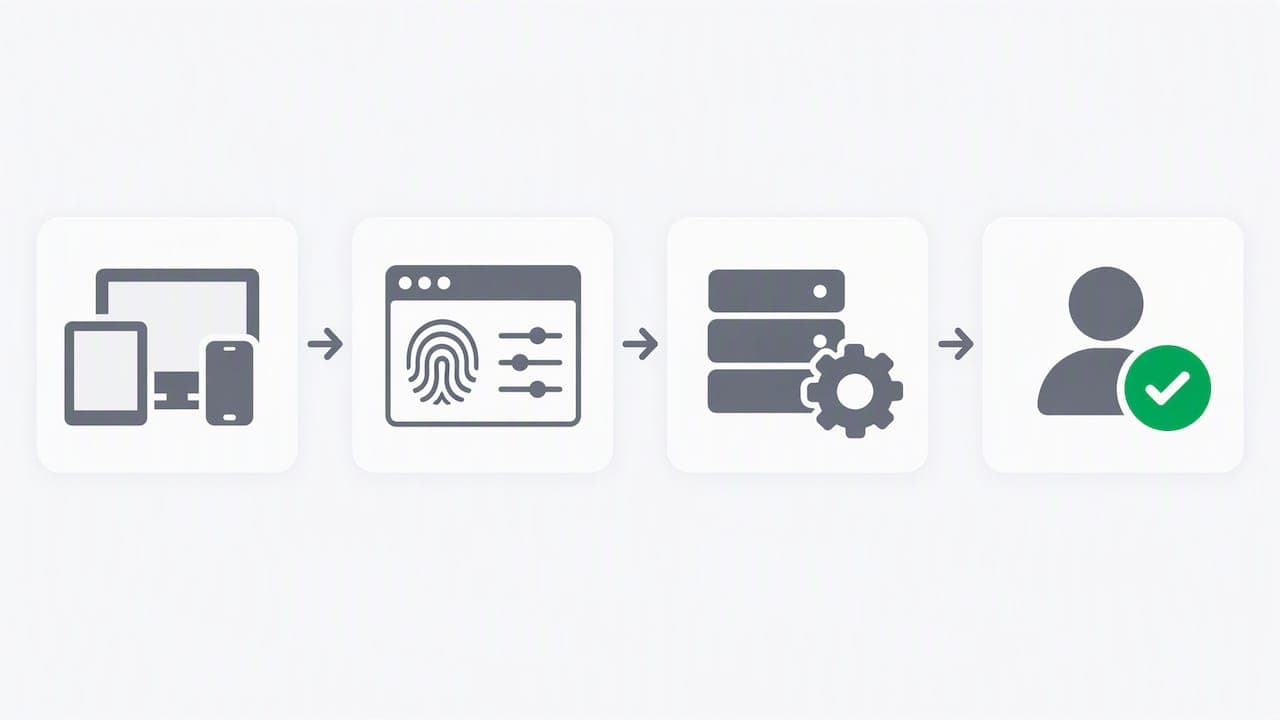
4 Step Node.js Device Fingerprinting with W3C Privacy and ShieldLabs
Implement Node.js device fingerprinting that follows W3C privacy guidance. Follow a 4 step integration with provenance, confidence scores, drift checks,...
Blog / Device fingerprinting
Implement Node.js device fingerprinting that follows W3C privacy guidance. Follow a 4 step integration with provenance, confidence scores, drift checks,...

How browser, device and TLS signals reveal spoofing on the web, plus where mobile attestation belongs in a separate defense layer.

A practical guide to purpose, consent exceptions, retention and rights when using device fingerprinting for fraud prevention in the UK and EU.
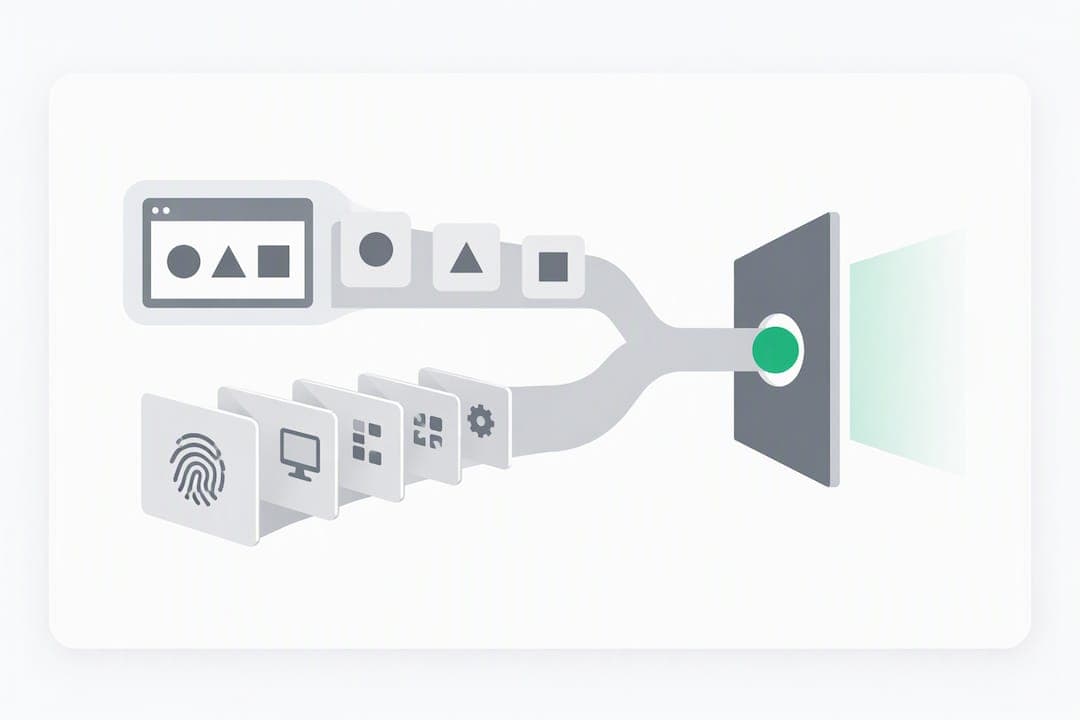
Compare challenges with device identification and risk signals, then choose where friction belongs in a web fraud prevention flow.

Implement persistent device IDs on Android, iOS, and web: MediaDrm and Keychain storage, migration, privacy best practices, and where ShieldLabs fits.
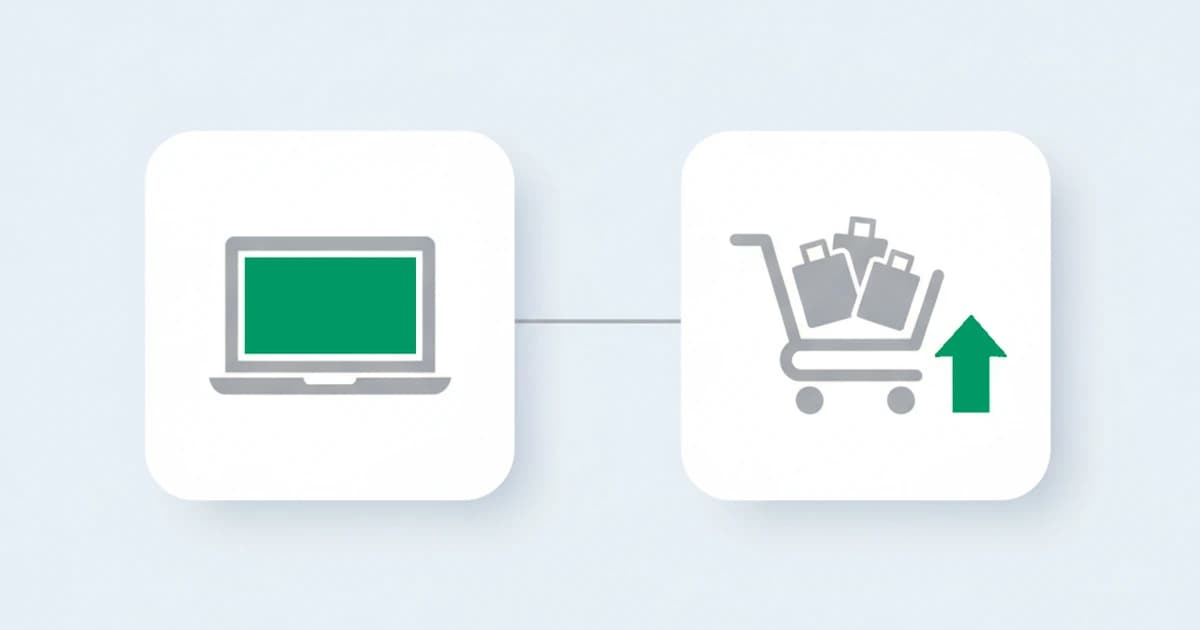
Returning visitors convert far better than first-timers, but logged-out shoppers look new. Recognizing the returning device captures the conversion lift.
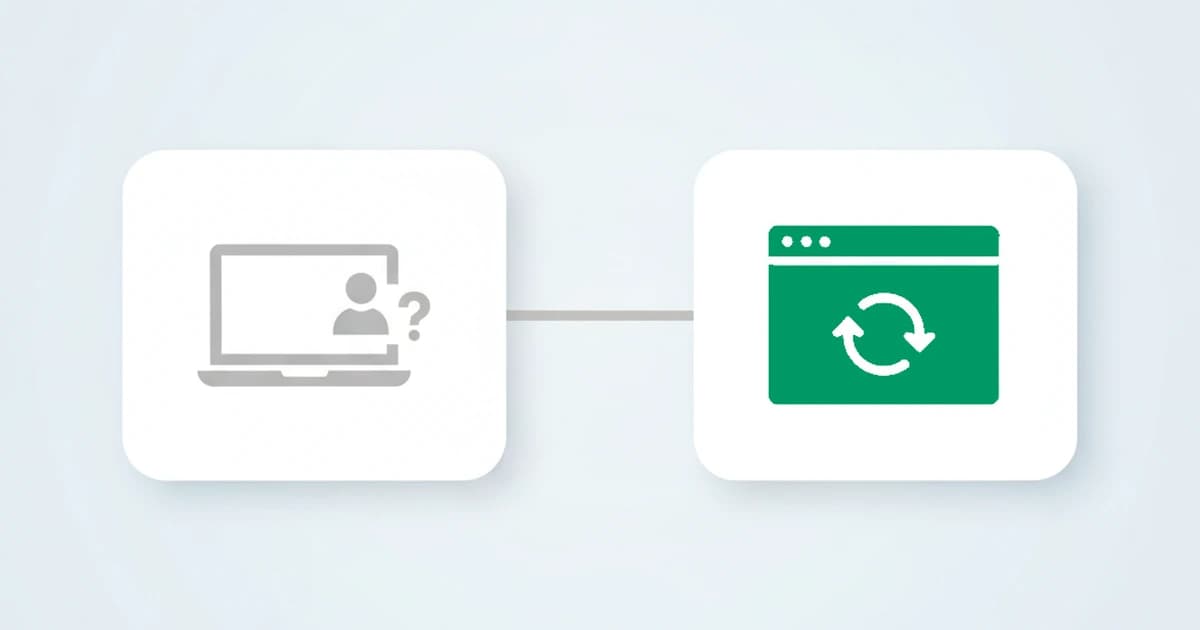
How to personalize for returning visitors who are not logged in, by recognizing their device with a durable identifier that holds without cookies.
How to keep a returning visitor's cart and preferences across sessions without a login, by recognizing the device with a durable identifier.
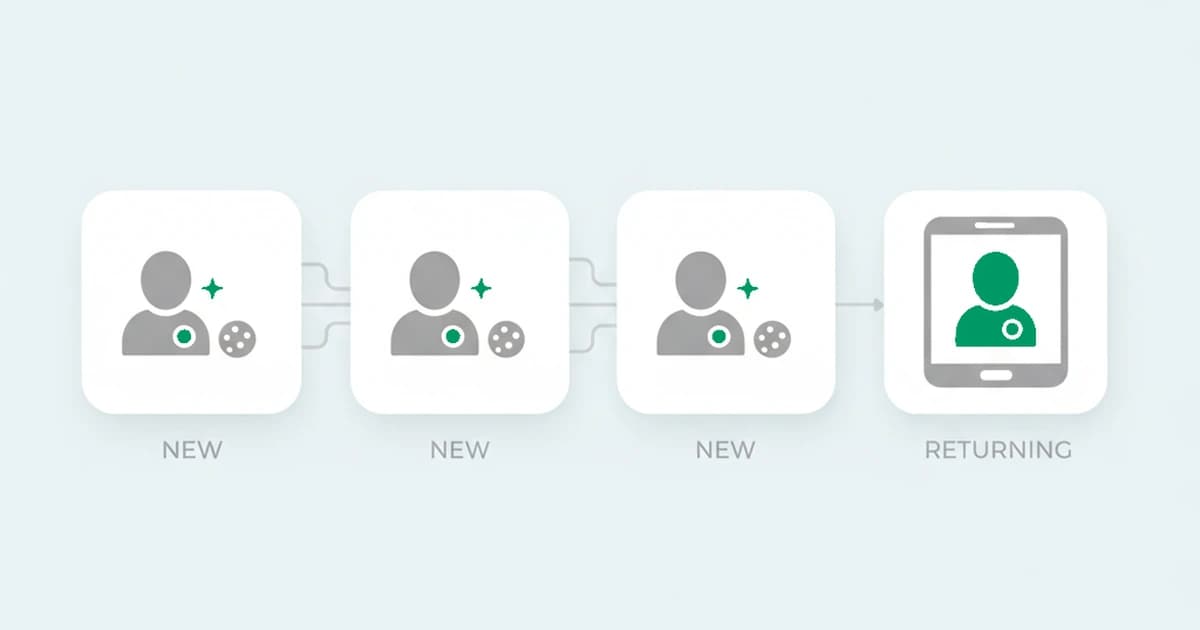
New vs returning visitors benchmarks, how to compare your site with relevant peers, and why cookie loss can distort the ratio.
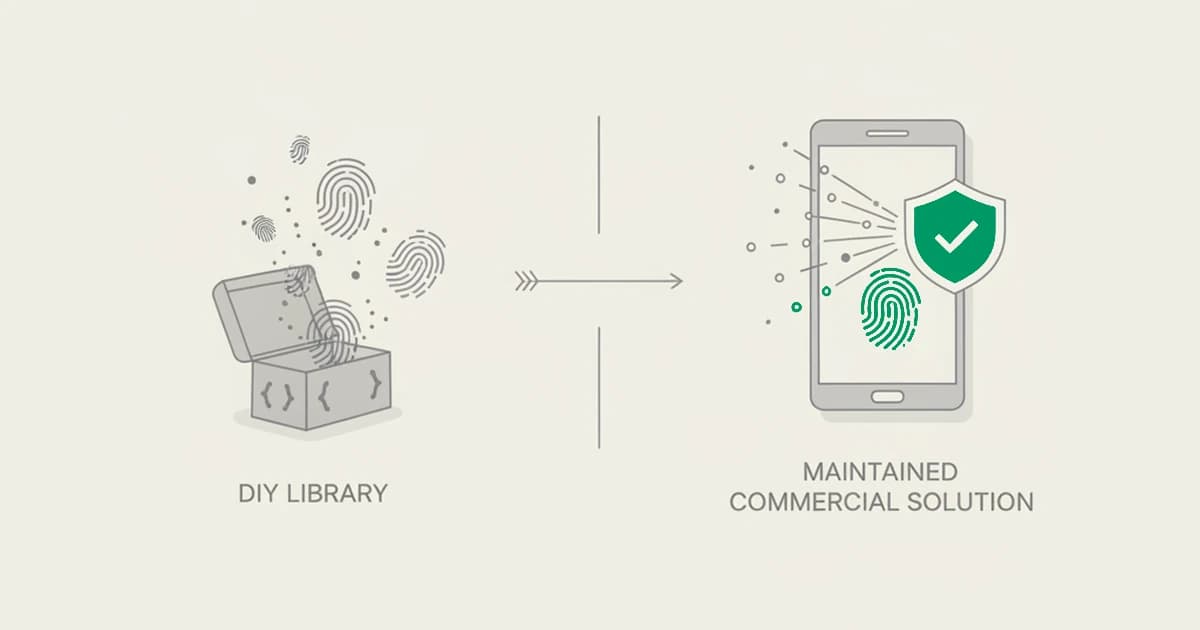
The best device fingerprinting solutions in 2026, split into open-source libraries you self-host and commercial ones that maintain the identifier.
Google retired the Privacy Sandbox in October 2025 and third-party cookies are staying in Chrome. What it was, why it ended, and what it means for fraud.
What passwordless authentication is, how it works, the main methods from passkeys to magic links, its benefits and limits, and where device signals fit.


