

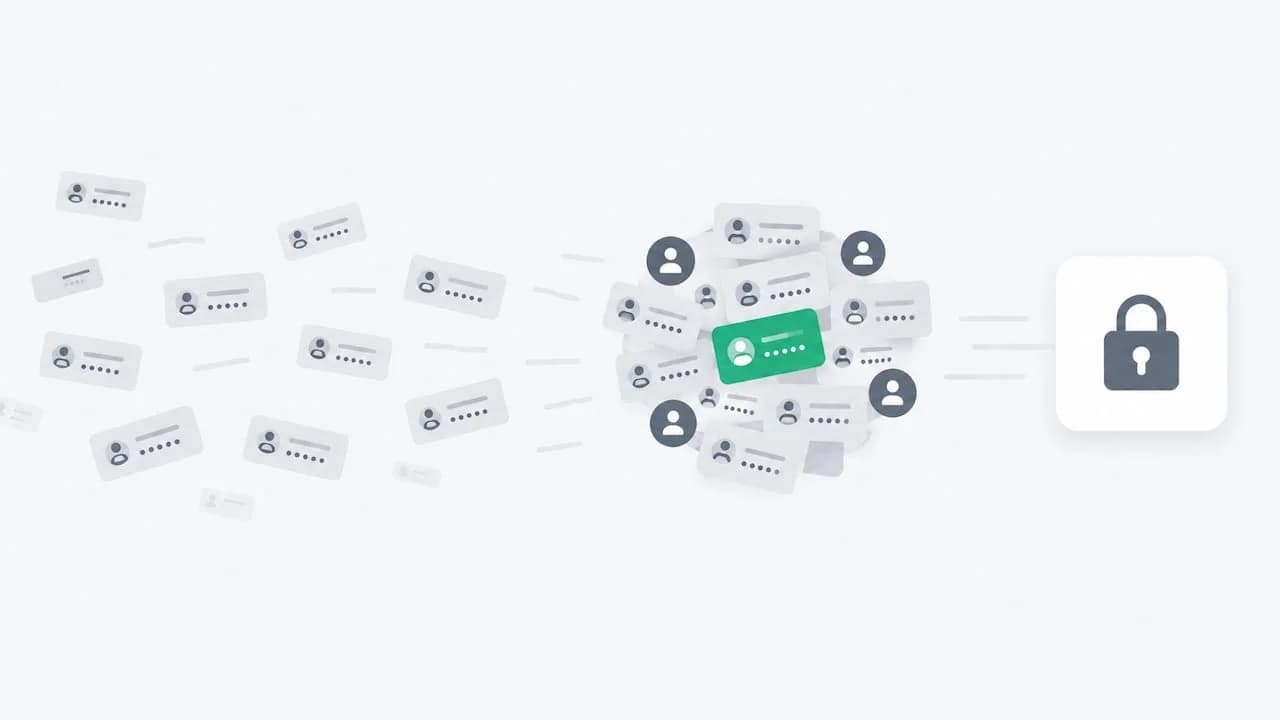
Credential Stuffing Detection: 3 SIEM Rules SOCs Need Now
SOC playbook for credential stuffing detection: three SIEM-ready rules, triage and containment steps, and how to stream risk signals into your SIEM.
Blog / Proxy & VPN detection
SOC playbook for credential stuffing detection: three SIEM-ready rules, triage and containment steps, and how to stream risk signals into your SIEM.
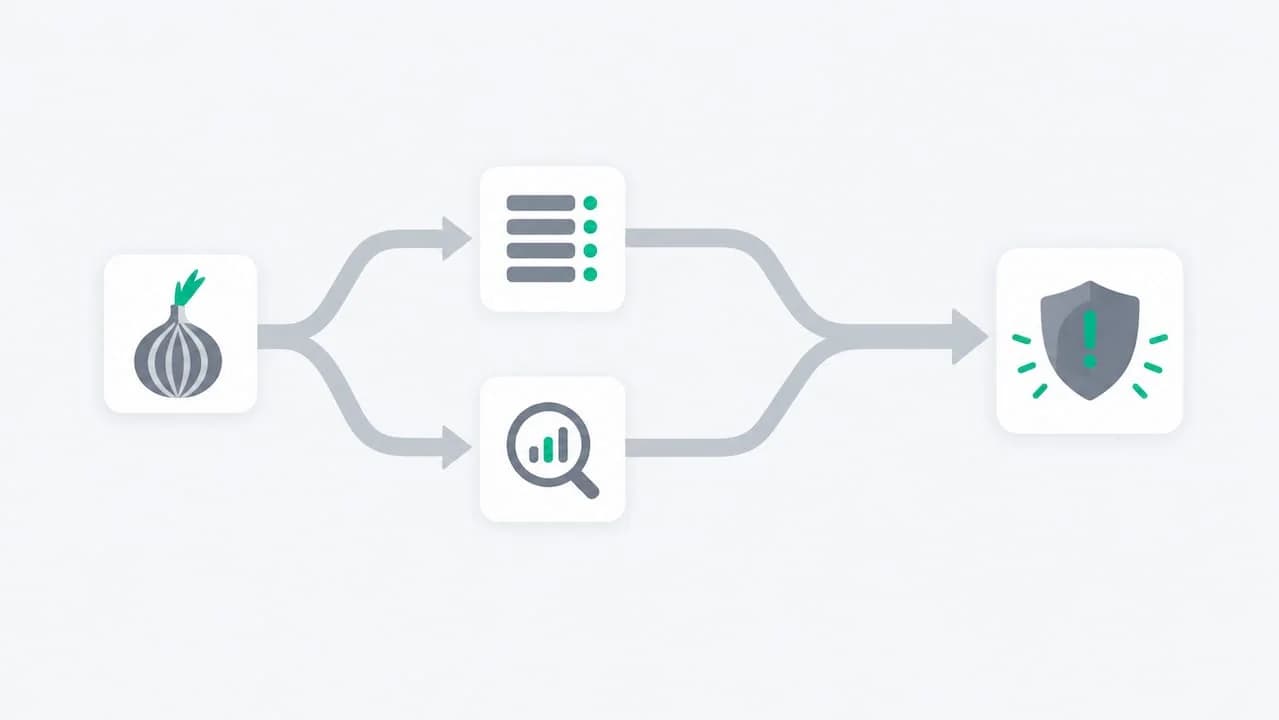
Ops first Tor detection for security engineers: deploy exit lists, DNS/API lookup, TLS fingerprints, and auditable signals in five minutes.
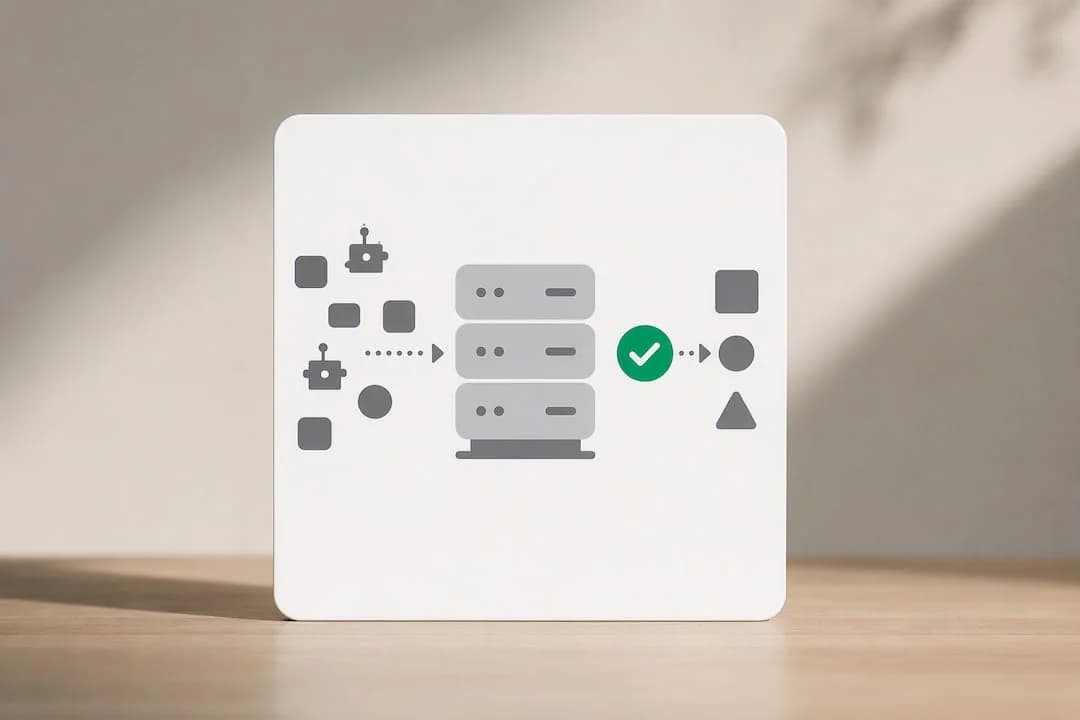
Cut bot damage on WordPress by detecting early, logging first, and tuning rules safely. Install one JS snippet in about five minutes.

Implementation focused proxy detection for engineers and fraud teams: APIs, caching, TLS fingerprints, and a 0–100 confidence model to cut false positives.

Practical playbook for fraud and product teams deploying visitor identification: prioritized engineering checks, monitoring rules, and vendor evaluation.
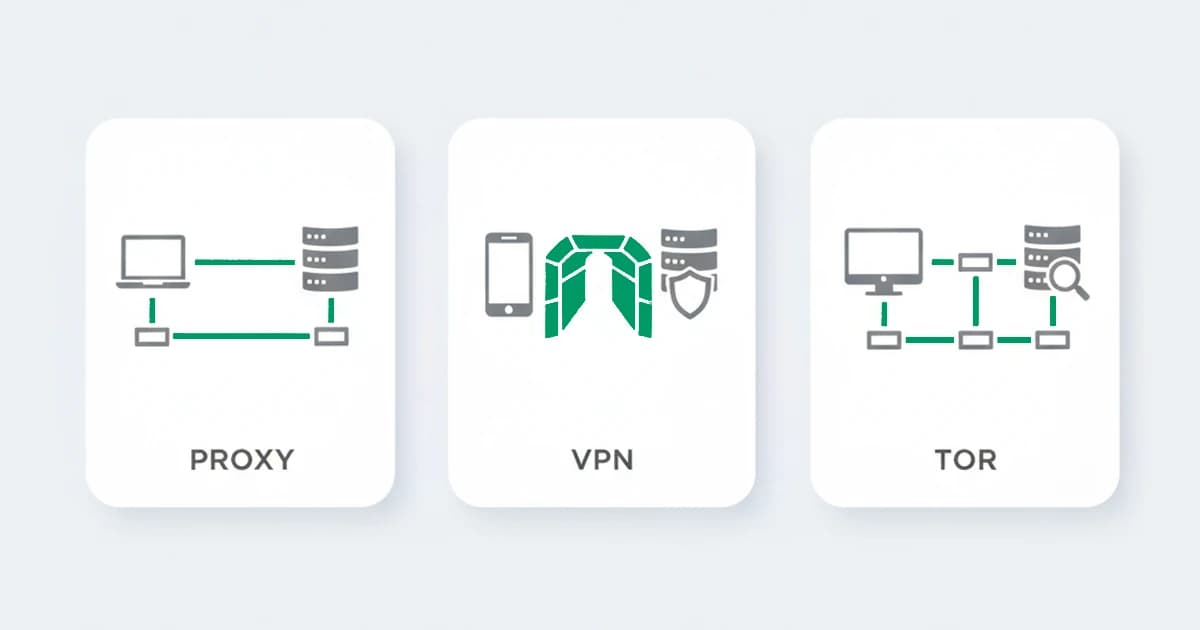
VPN vs proxy vs Tor: how each hides traffic, what each one still reveals, and how a detection layer tells them apart at the network level.
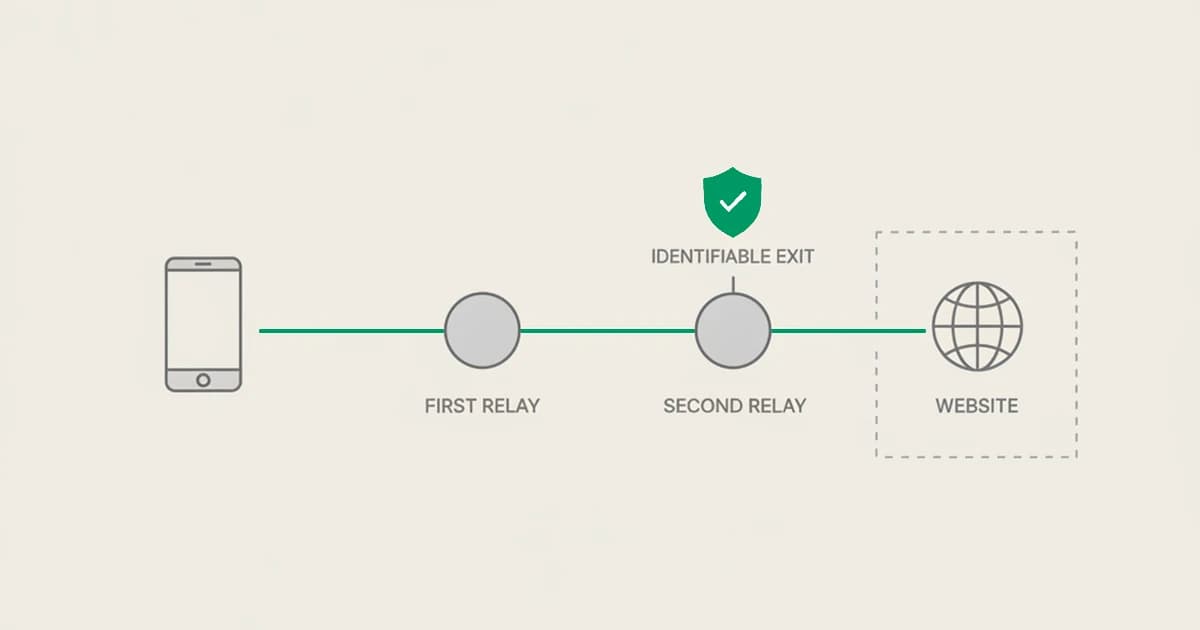
iCloud Private Relay hides a Safari user's IP, but Apple publishes its egress ranges, so it is identifiable. What it is and how to read it for fraud.
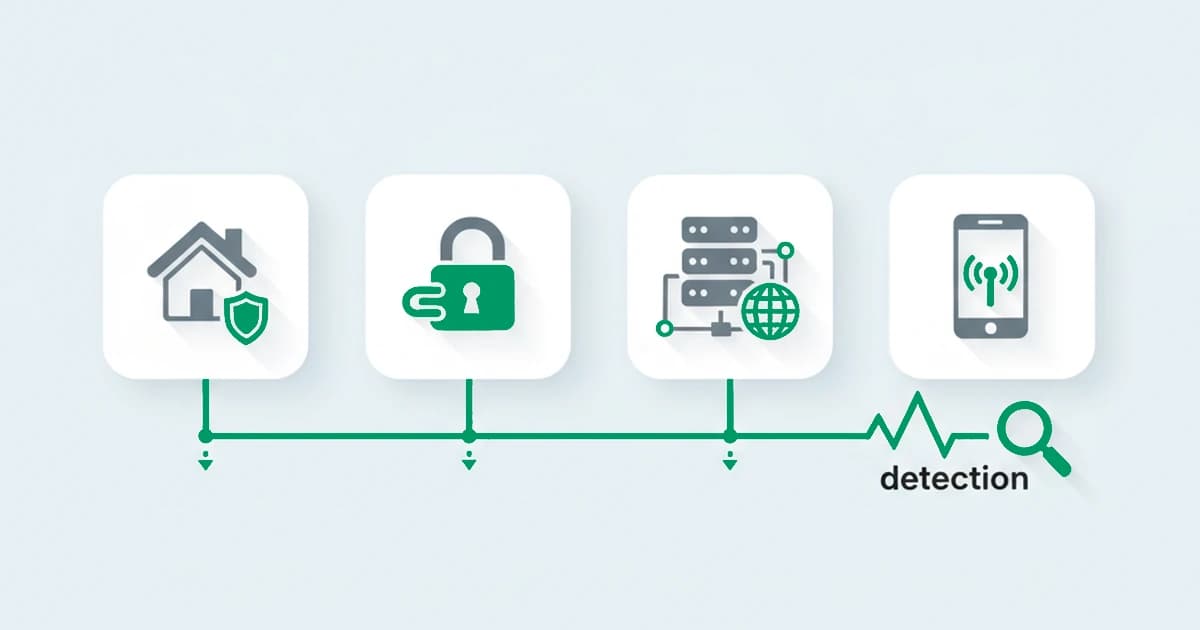
Compare the best VPN and proxy detection tools for fraud prevention in 2026: what each detects, residential-proxy coverage, pricing, and how to choose.
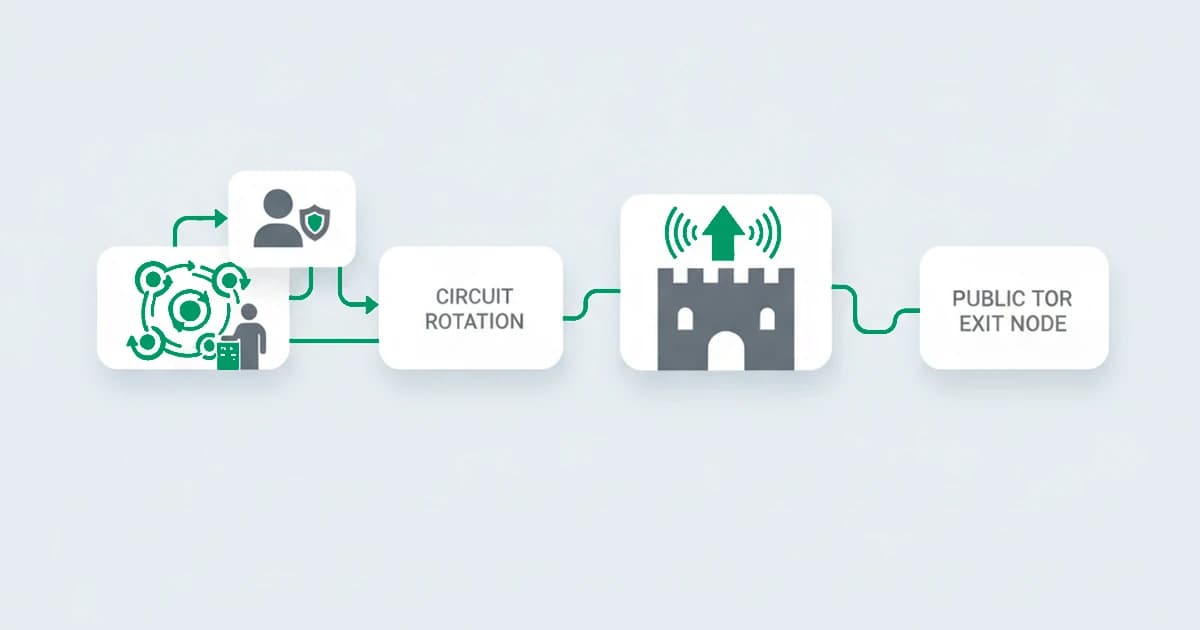
Detecting Tor traffic is easy because exit nodes are public. The hard part is acting on it without blocking real users. How web detection actually works.
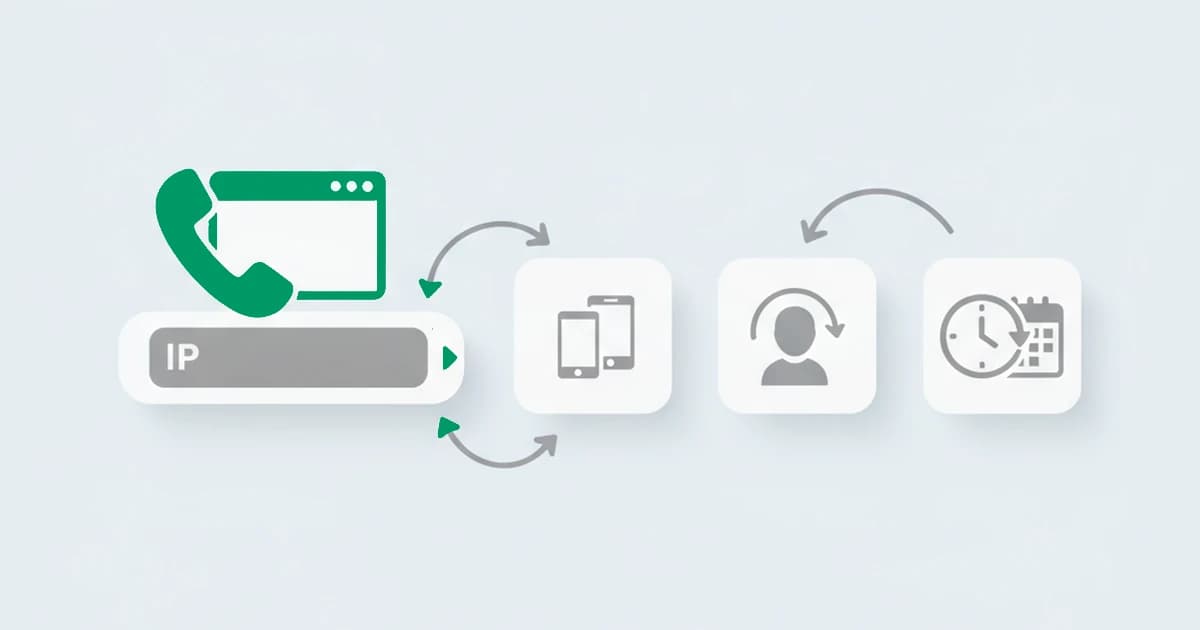
What iCloud Private Relay and Chrome IP Protection actually change for fraud detection: what degrades, what survives, and why masking is not evasion.
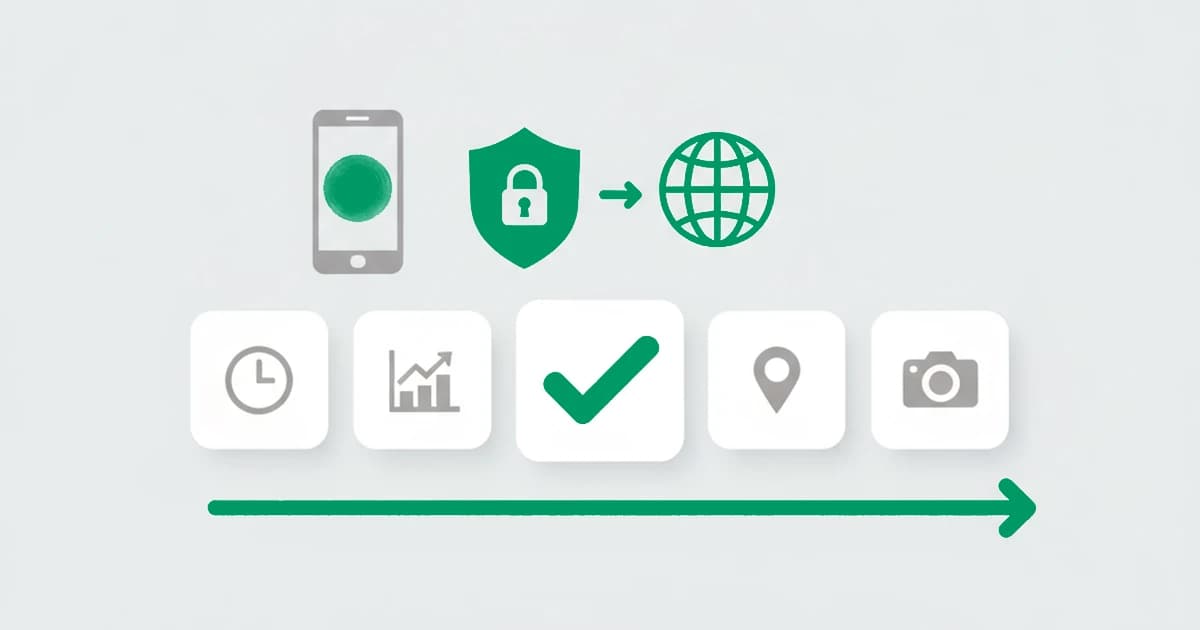
How to detect VPNs in 2026: the methods that actually work, why an IP check alone fails, and how masked traffic ties to abuse and risk.
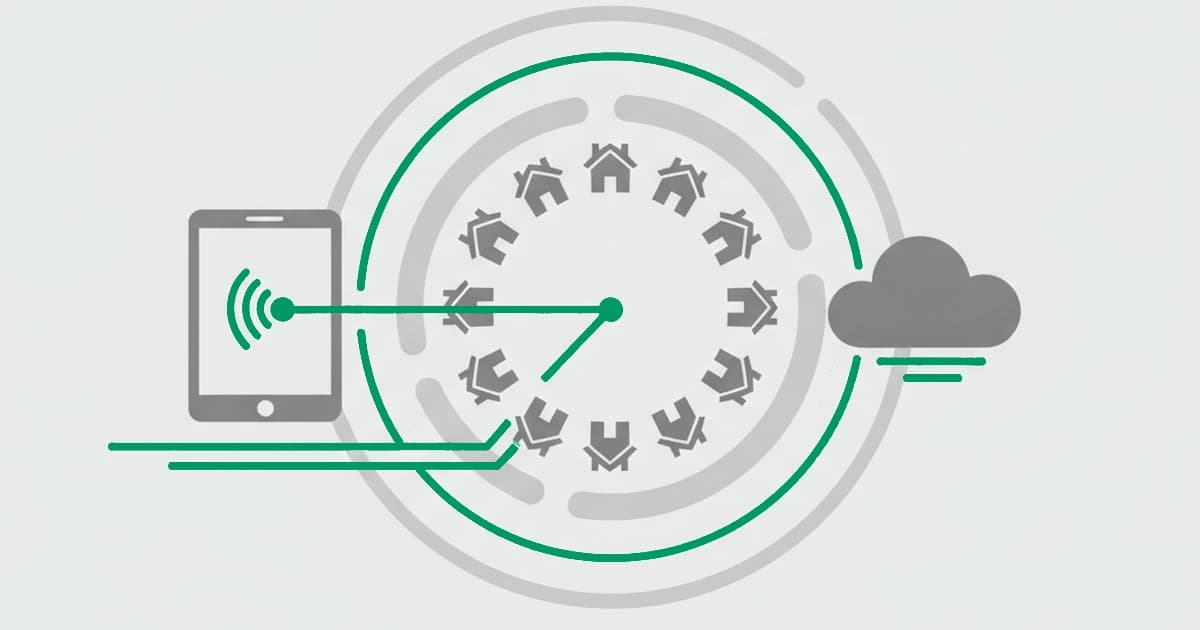
What a residential proxy is, where the home IPs come from, and how residential proxy detection works without relying on the address itself.
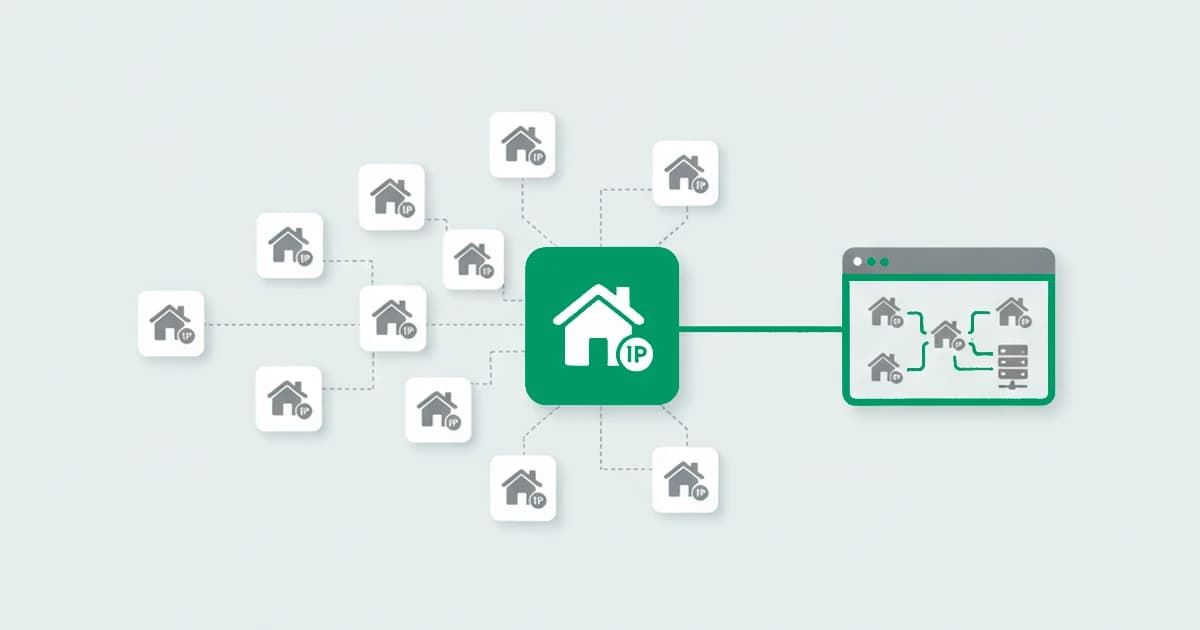
How proxy detection works for fraud prevention: 13 techniques, why residential proxies are hard to spot, and why an IP check alone is never enough.


