

FeaturedFraud prevention
Paywall Abuse Prevention: Protect Access and Reading Limits
Prevent paywall abuse with server-side entitlements, safe caching and persistent reading limits. Separate content leaks from account sharing.
Learn about fraud detection and prevention, device intelligence, bot detection and traffic risk scoring.
Prevent paywall abuse with server-side entitlements, safe caching and persistent reading limits. Separate content leaks from account sharing.
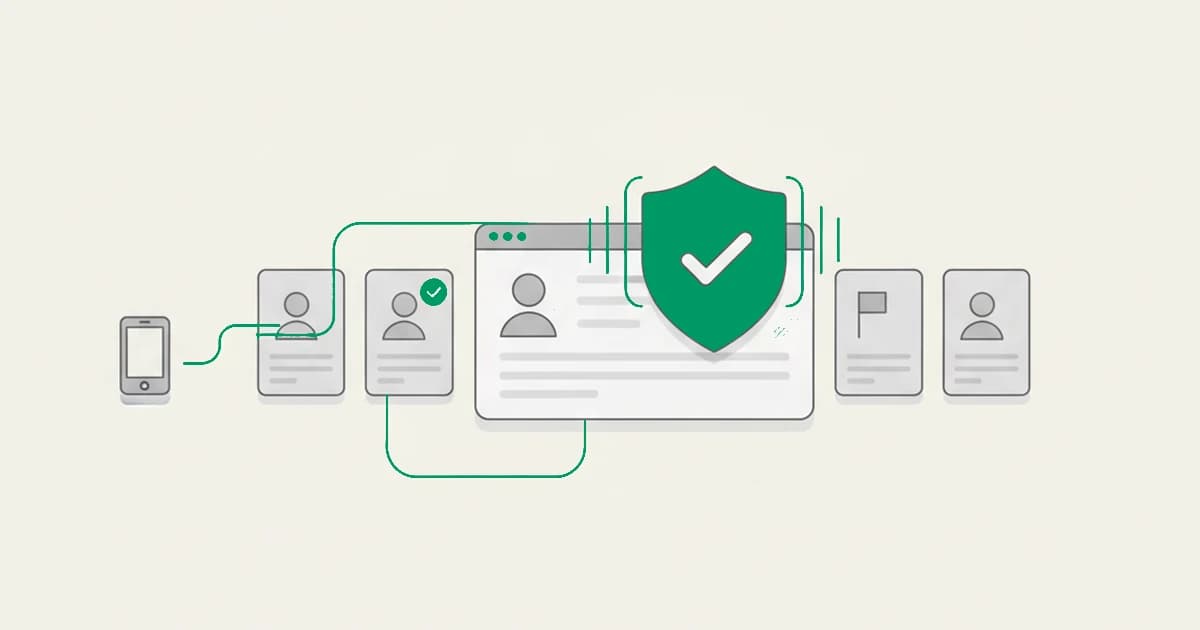
The best new-account fraud detection tools for 2026, how signup-fraud detection links many fake accounts back to one device, and how to choose the right layer.
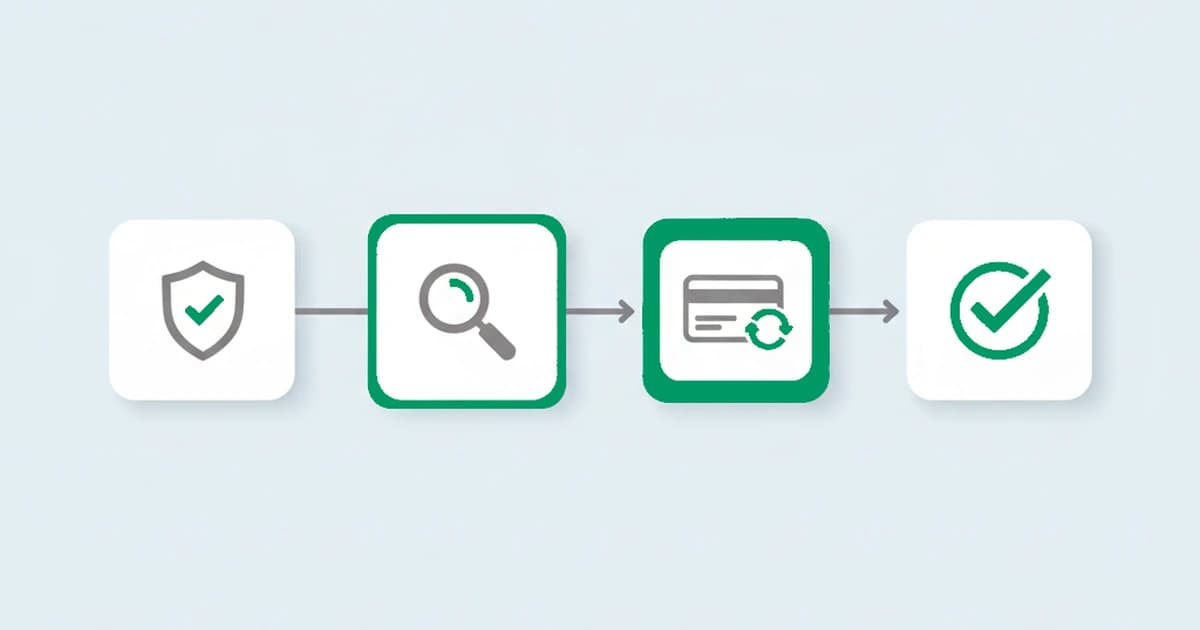
Compare 11 ecommerce fraud prevention tools for small businesses in 2026 by pricing, signal depth, and self-serve fit, plus a framework to choose.
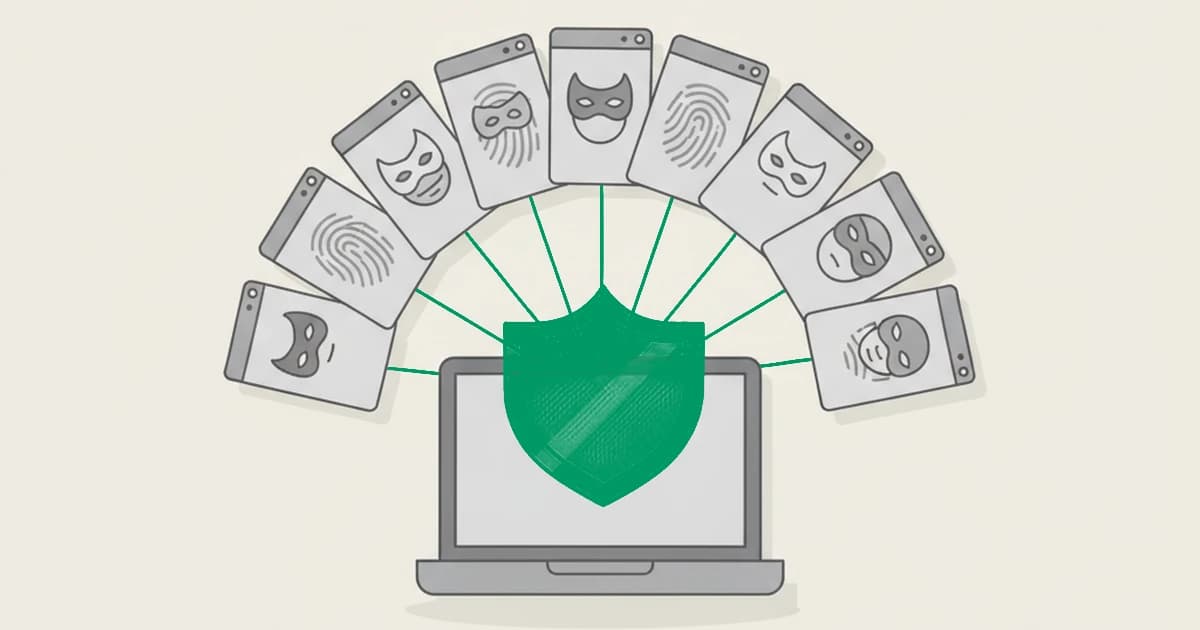
The best anti-detect browser detection tools for fraud teams in 2026, how detection spots spoofed and tampered browser fingerprints, and how to choose.
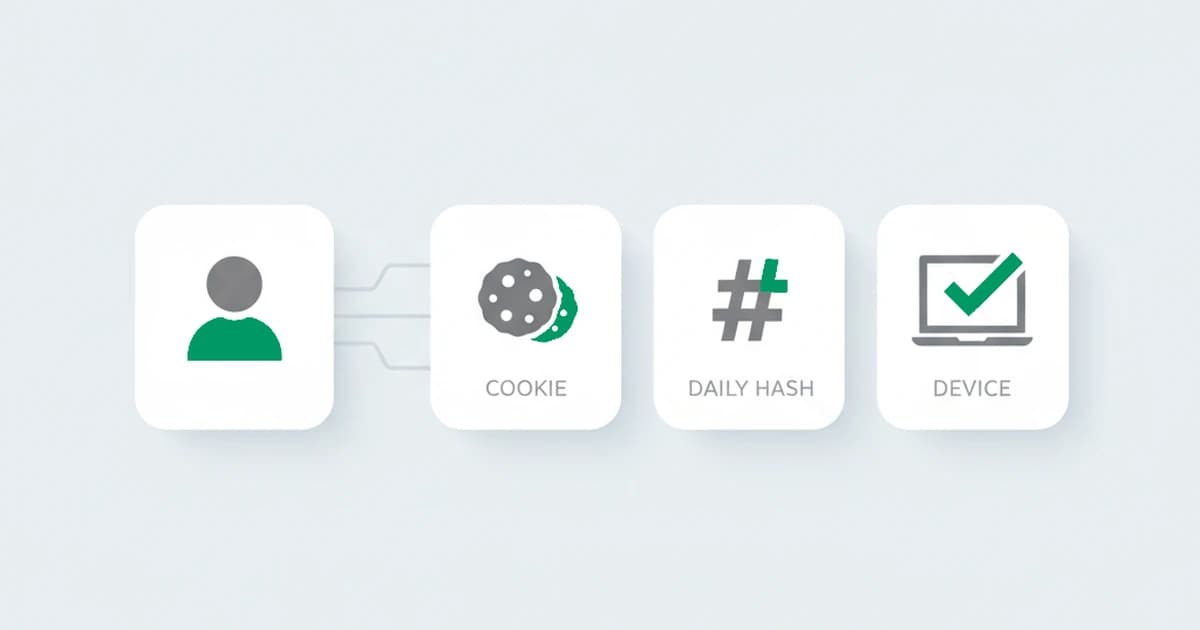
Why your visitor counts never match across tools. How Google Analytics, Vercel, and ShieldLabs each identify a visitor, and which count is closest to the truth.
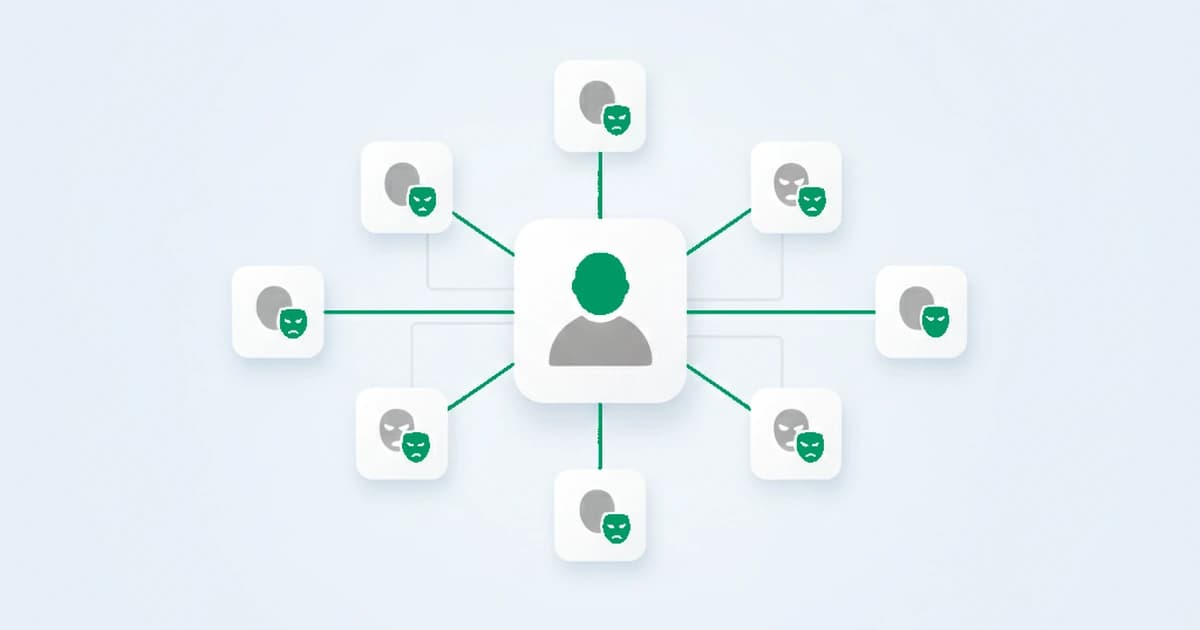
How to prevent Sybil attacks: the defenses at the protocol and application layers, and how to catch one actor running many wallets at the frontend.
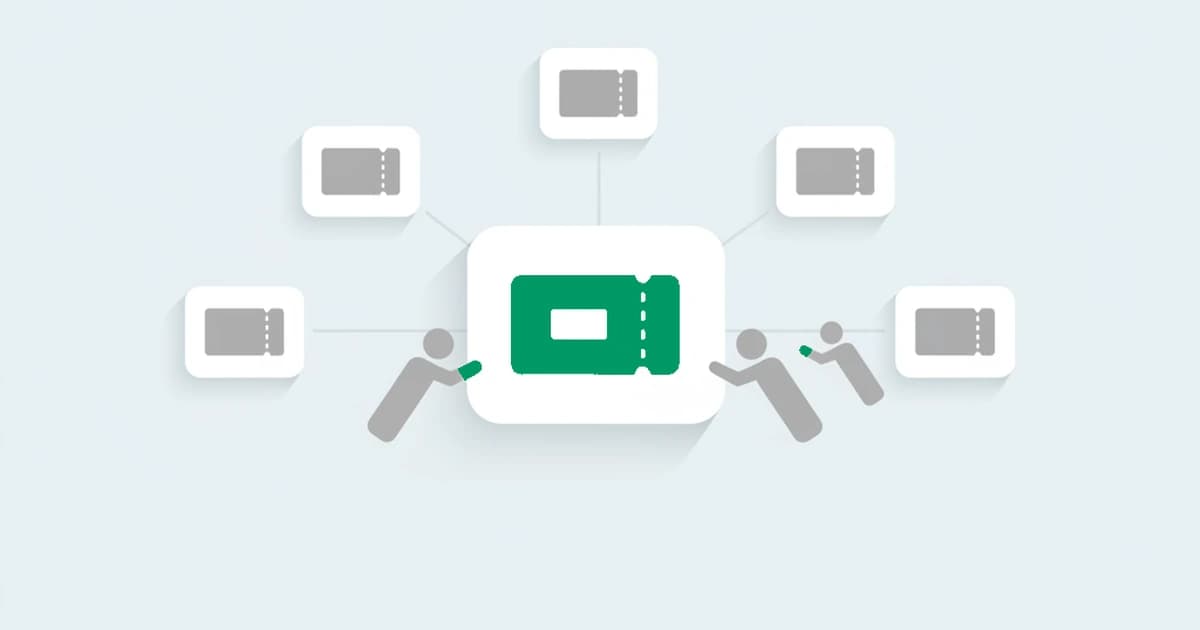
How to prevent bonus, promo, and coupon abuse: the mechanic behind it, the signals that flag an abused offer, and how to score a claim before you credit it.
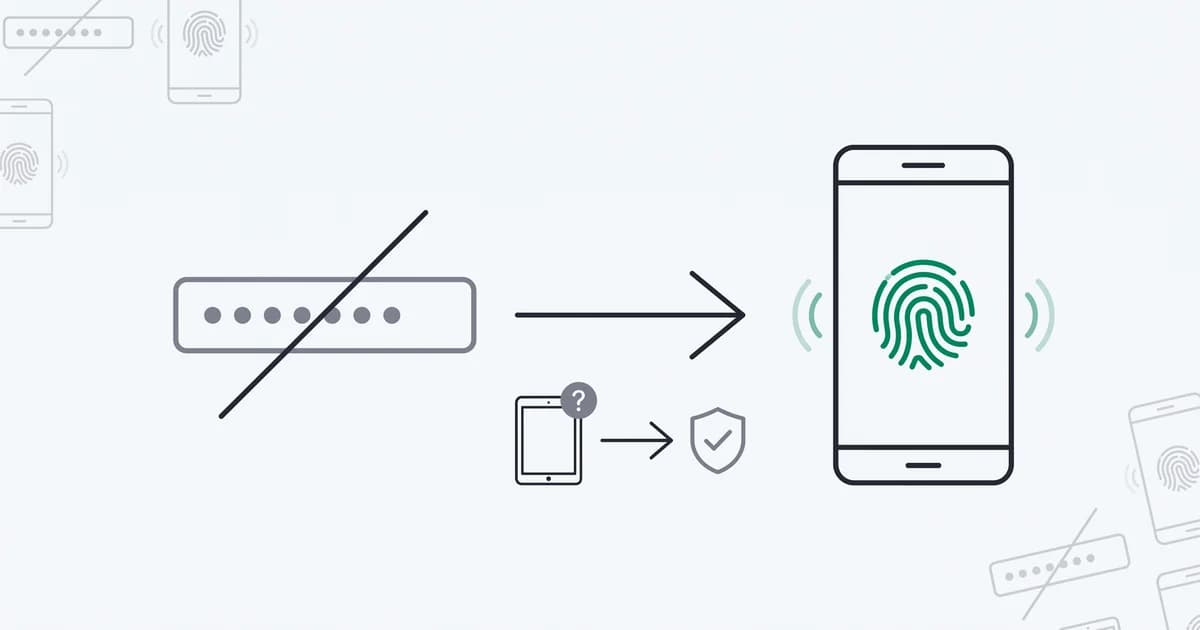
What passwordless authentication is, how it works, the main methods from passkeys to magic links, its benefits and limits, and where device signals fit.
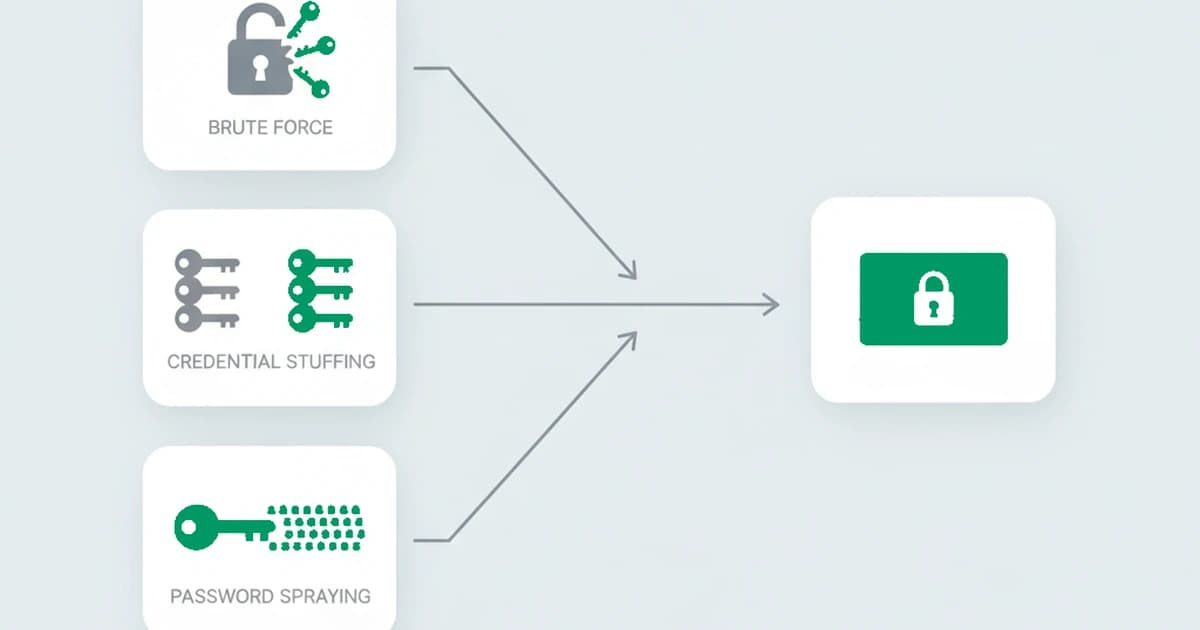
Brute force, credential stuffing, and password spraying all hit your login, but differ in what the attacker knows. The difference, and how to detect each.
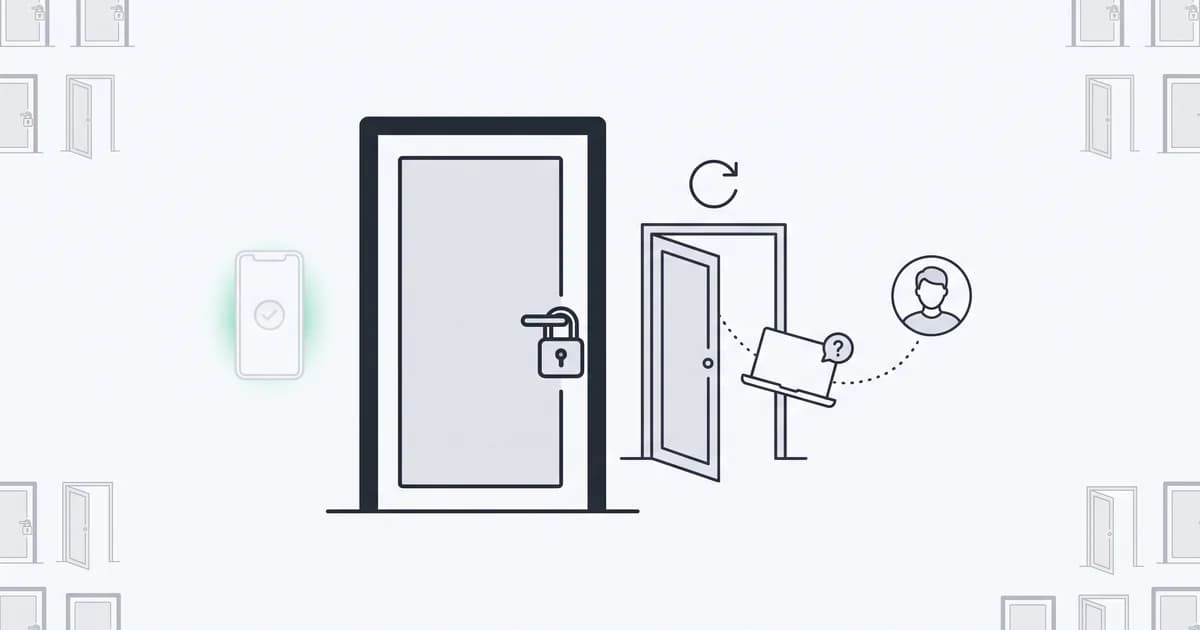
Account recovery fraud is how attackers bypass strong login by abusing the reset flow. How it works, why recovery is the weak point, and how to defend it.
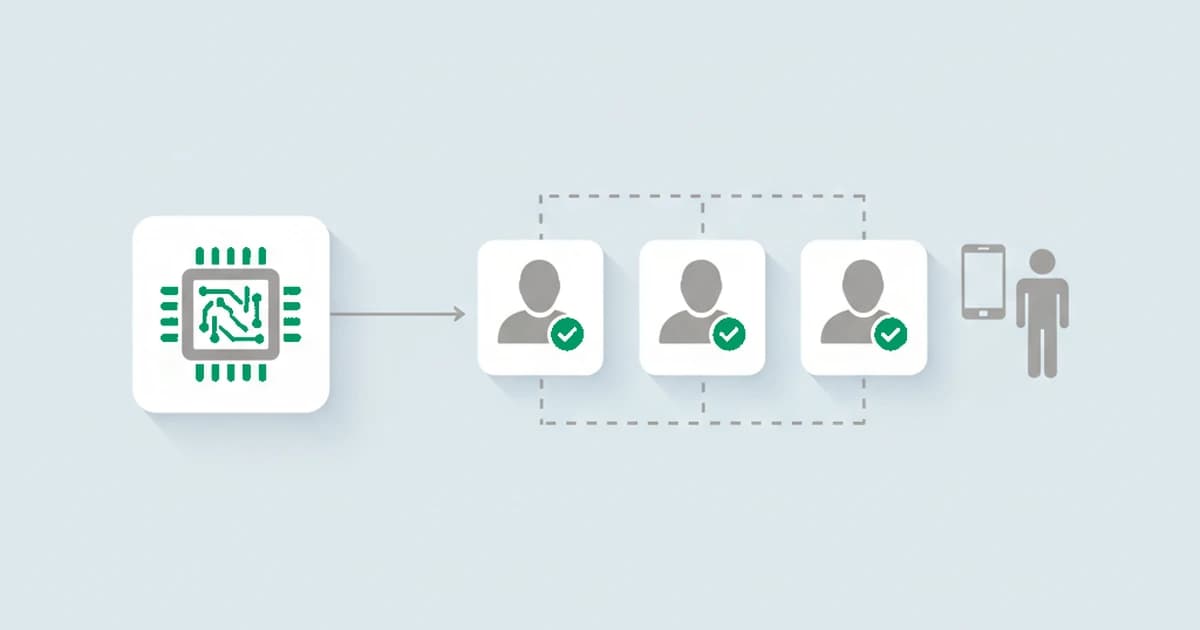
What trial farming and credit farming mean on an AI product, not the gaming kind: how one operator drains free compute credits, and where it is caught.
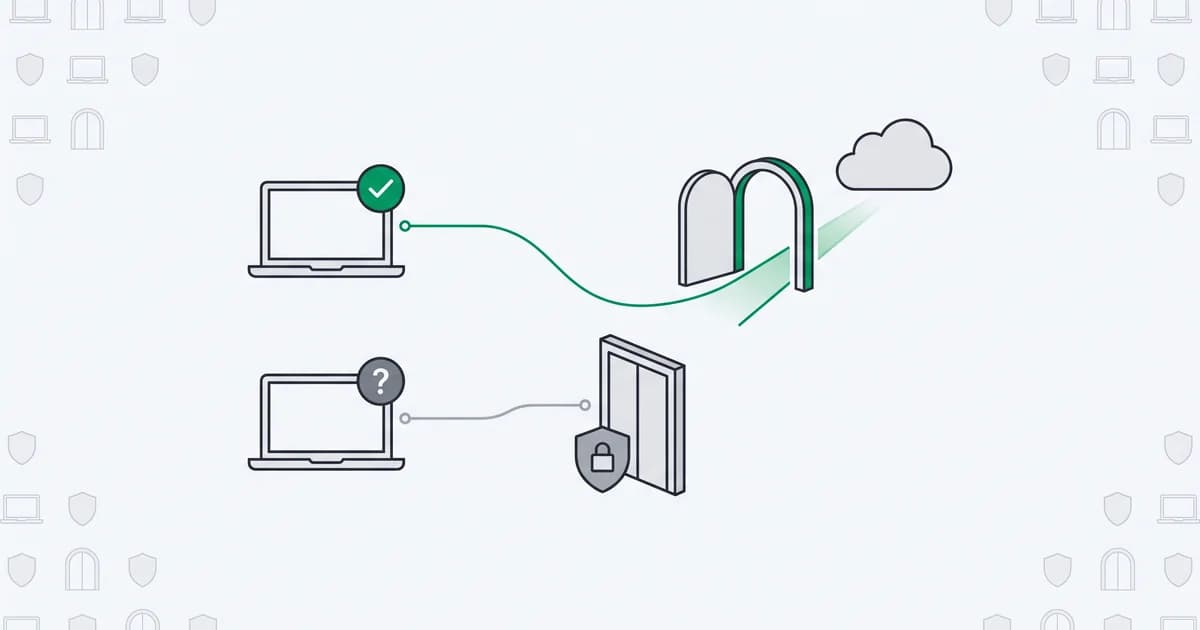
What device-based authentication is, how recognizing a trusted device makes login transparent, how it differs from passkeys and cookies, and where it fits.
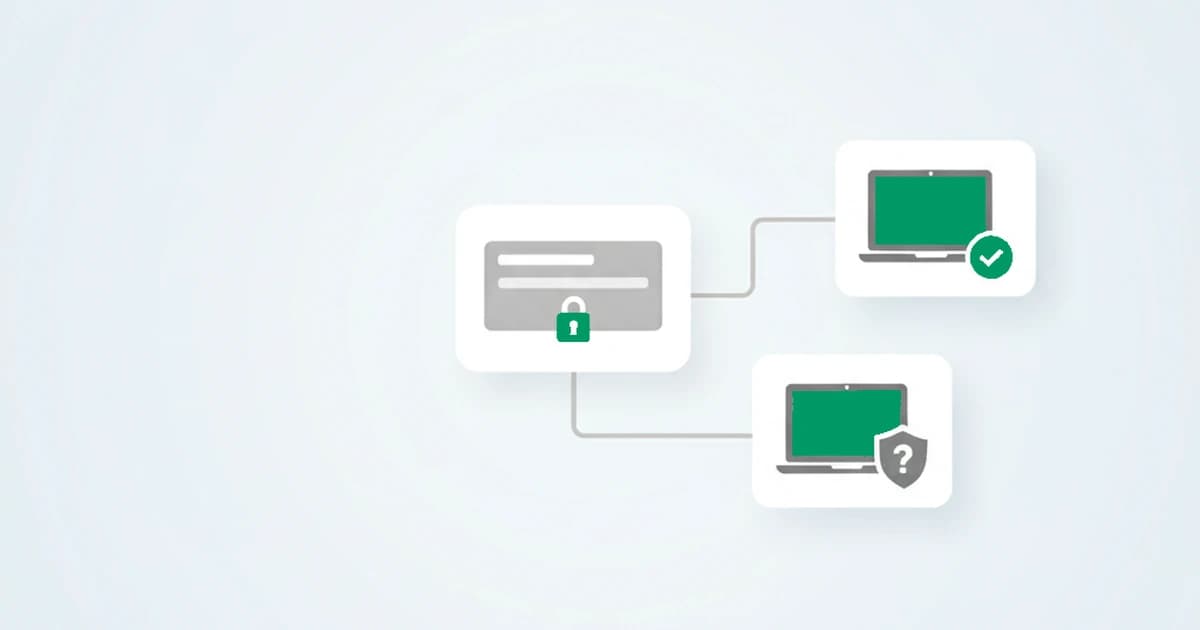
How adaptive (risk-based) authentication works, the signals it weighs, and how a recognized device decides when to step up and when to let a user through.


