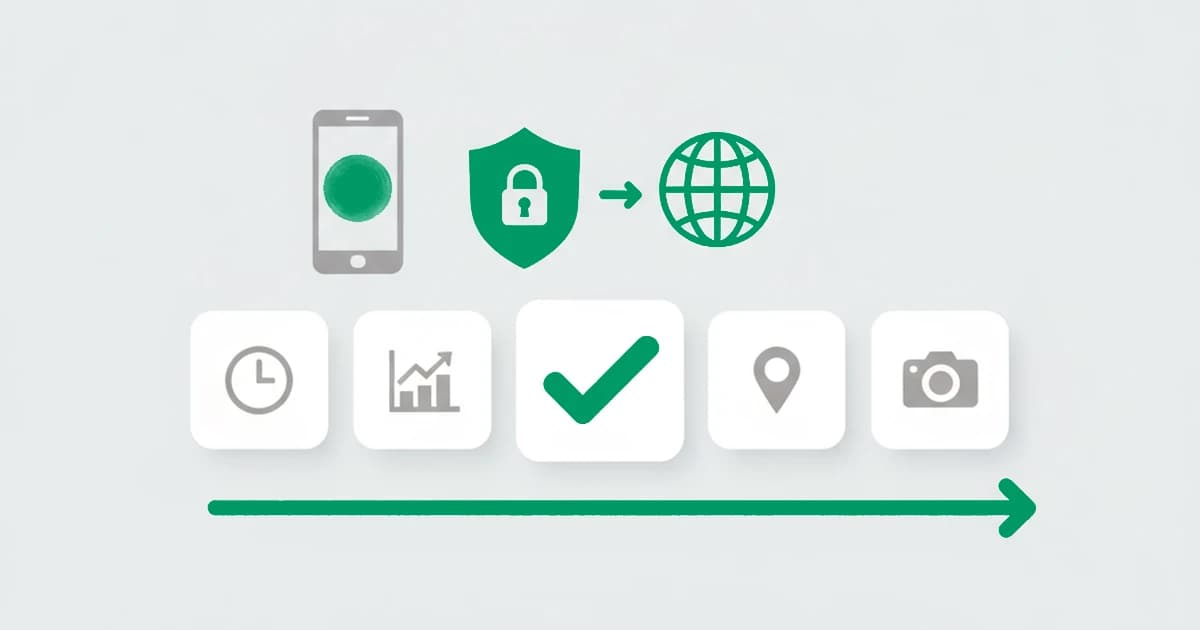

Payment Fraud Prevention Implementation: Device Evidence Before Checkout
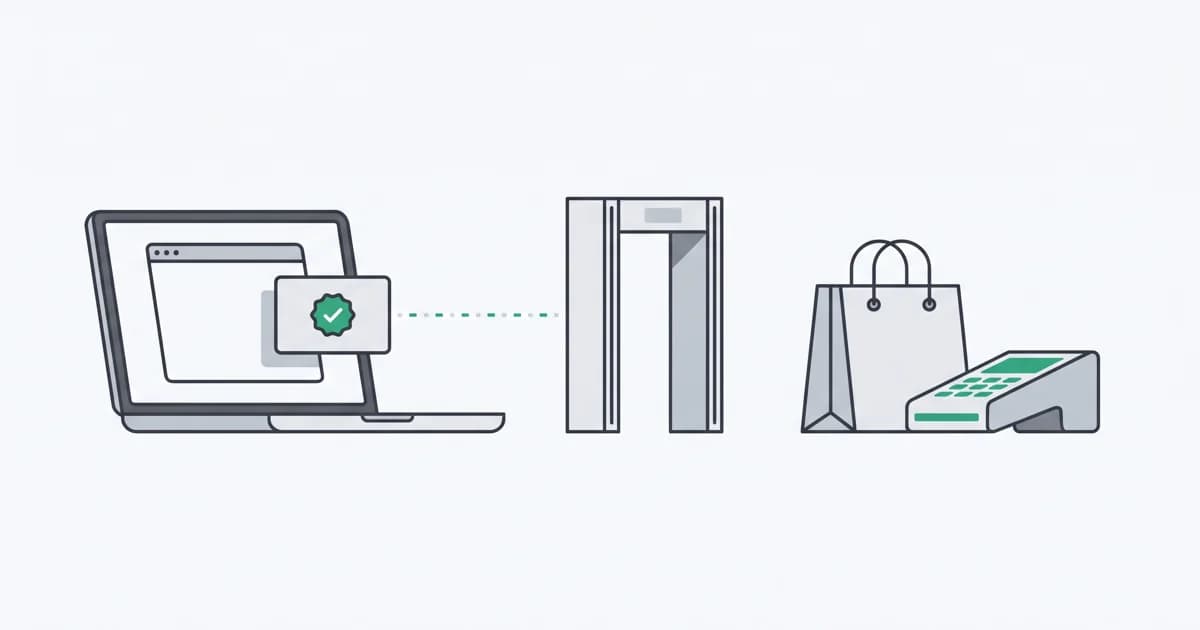
Build payment fraud prevention into checkout with server-verified device evidence, order binding, safe retries and signed webhooks. Follow a tested example.
Learn about fraud detection and prevention, device intelligence, bot detection and traffic risk scoring.

Build payment fraud prevention into checkout with server-verified device evidence, order binding, safe retries and signed webhooks. Follow a tested example.

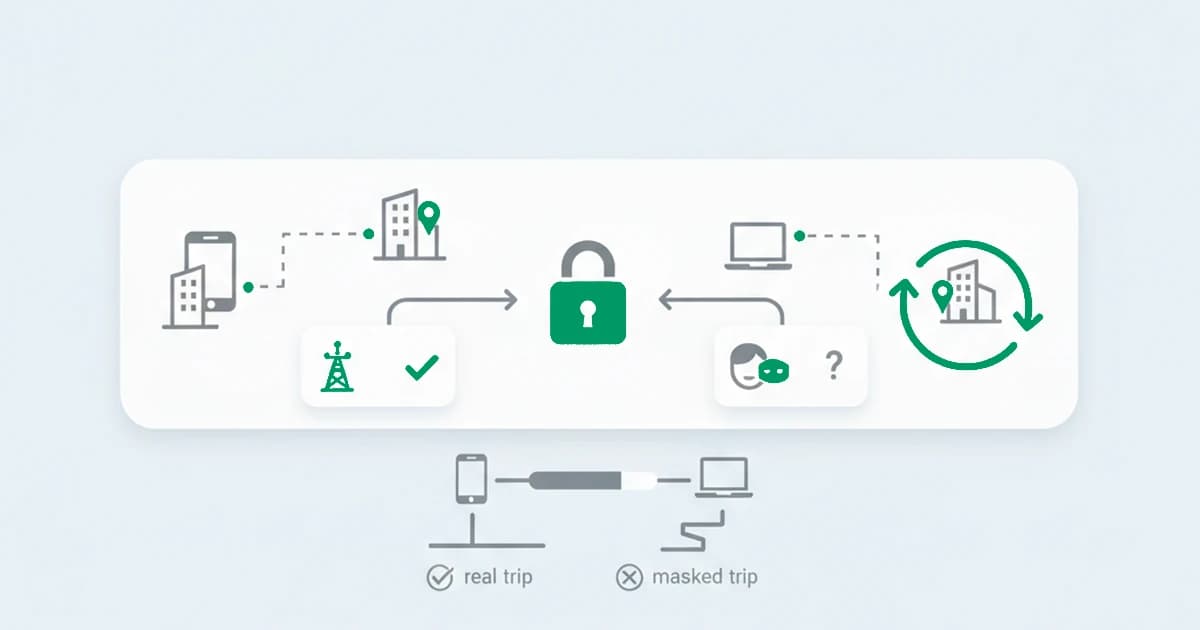
Impossible travel detection flags an account logging in from two far-apart places. Why velocity alone over-fires on VPNs, and how the device fixes it.

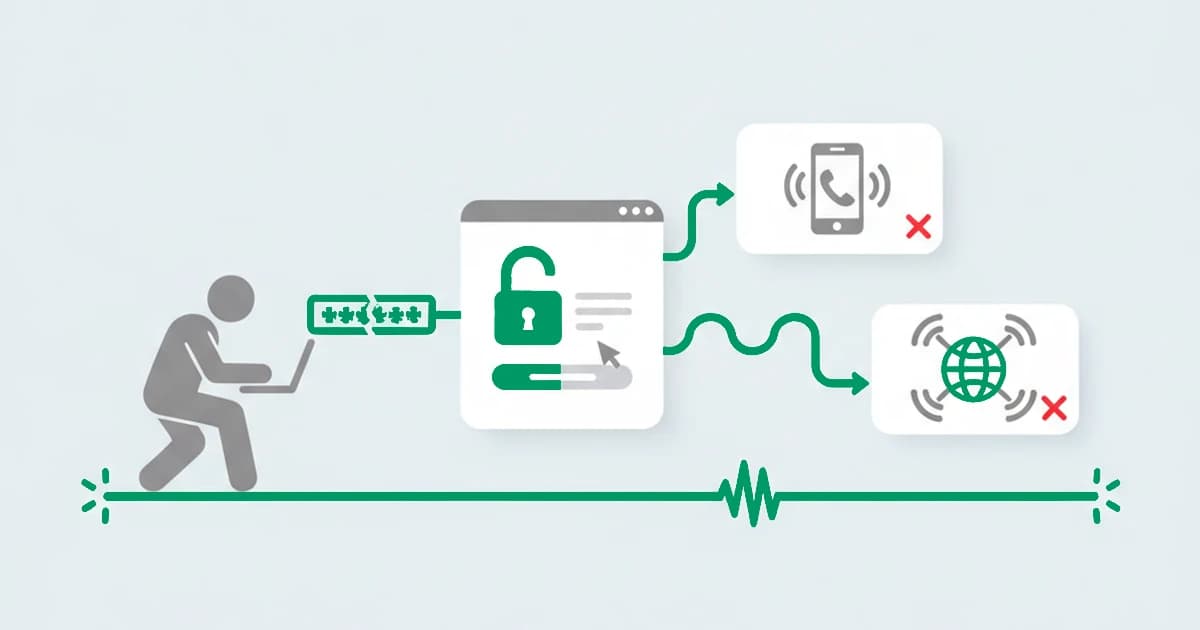
How to detect account takeover at login: the device and network signals that flag a suspicious login, why MFA alone misses them, and where the gap is.

WebRTC fingerprinting uses a browser's real-time connection setup to expose network data, including a local or real IP behind a VPN. How it works.

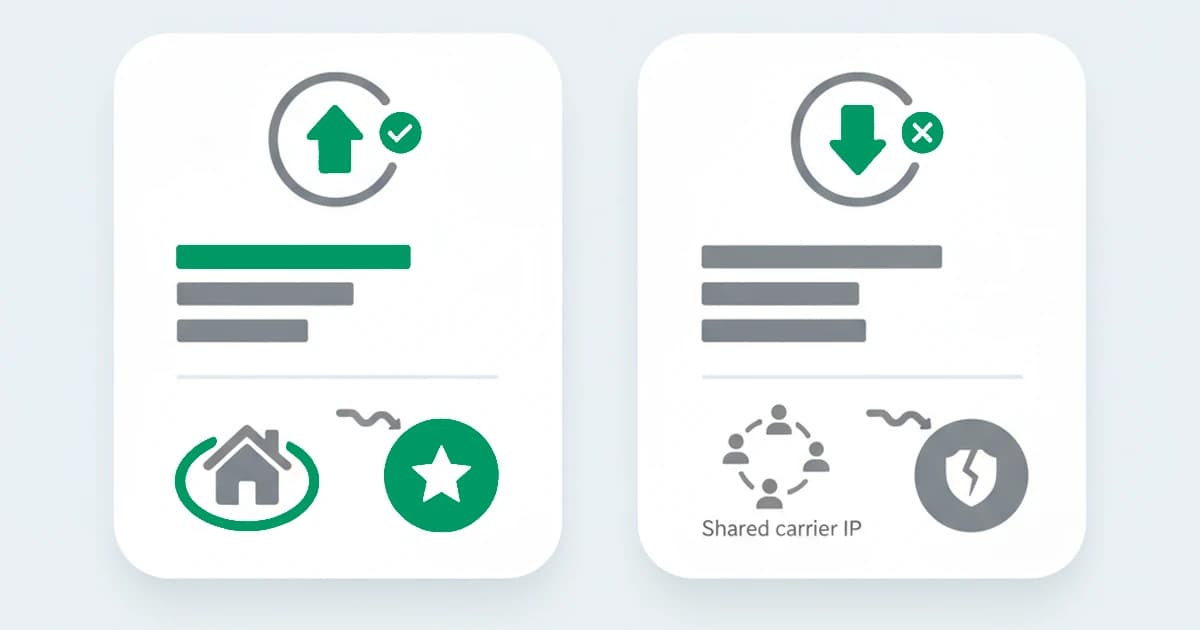
What IP reputation is, how the 0 to 100 score is built, and why a clean IP score alone will not catch fraud. The lagging, shared, and recycled-IP problem.

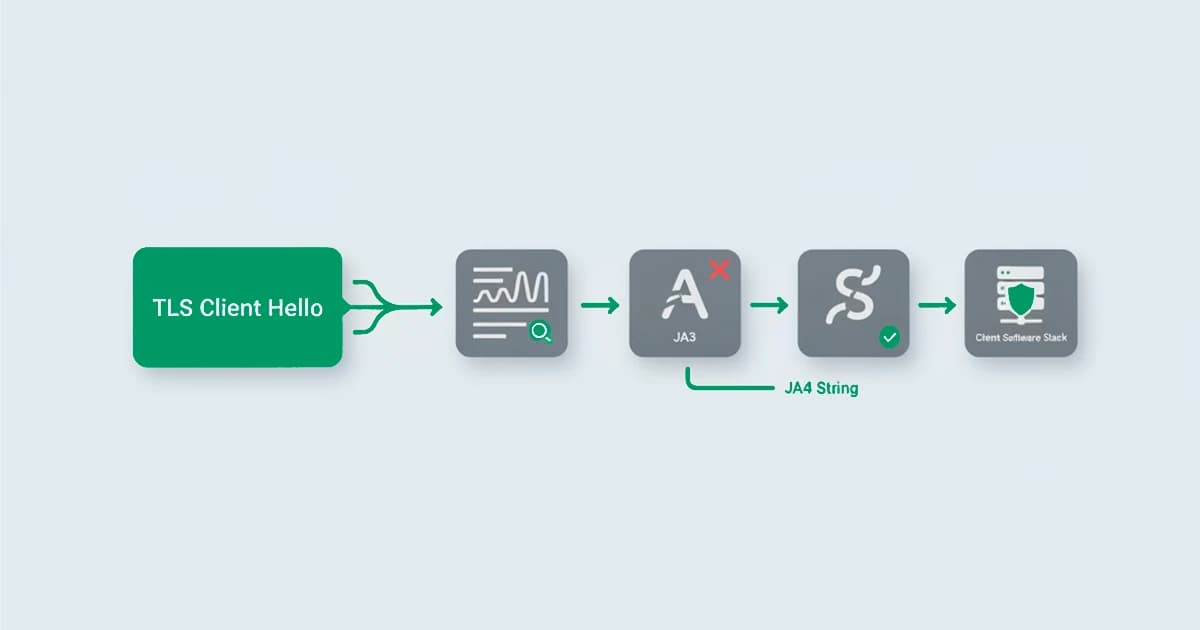
What JA4 fingerprinting is, how it fixes JA3's weakness to TLS randomization, the JA4 string format and JA4+ suite, and what it can and cannot identify.

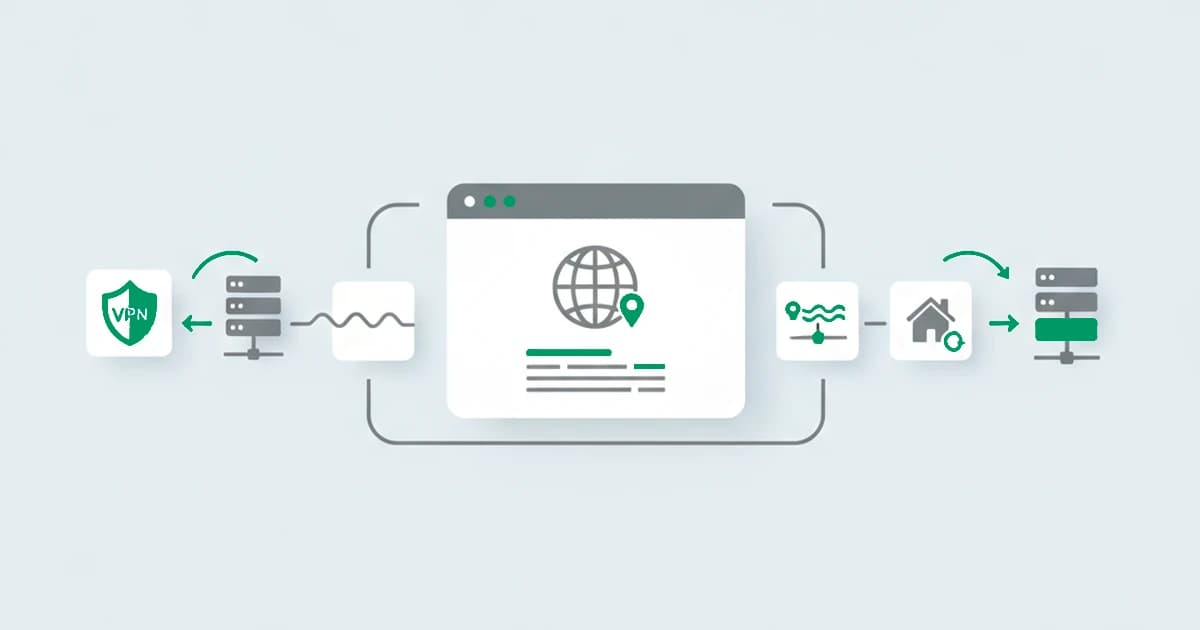
How to detect VPNs in 2026: the methods that actually work, why an IP check alone fails, and how masked traffic ties to abuse and risk.

What a residential proxy is, where the home IPs come from, and how residential proxy detection works without relying on the address itself.

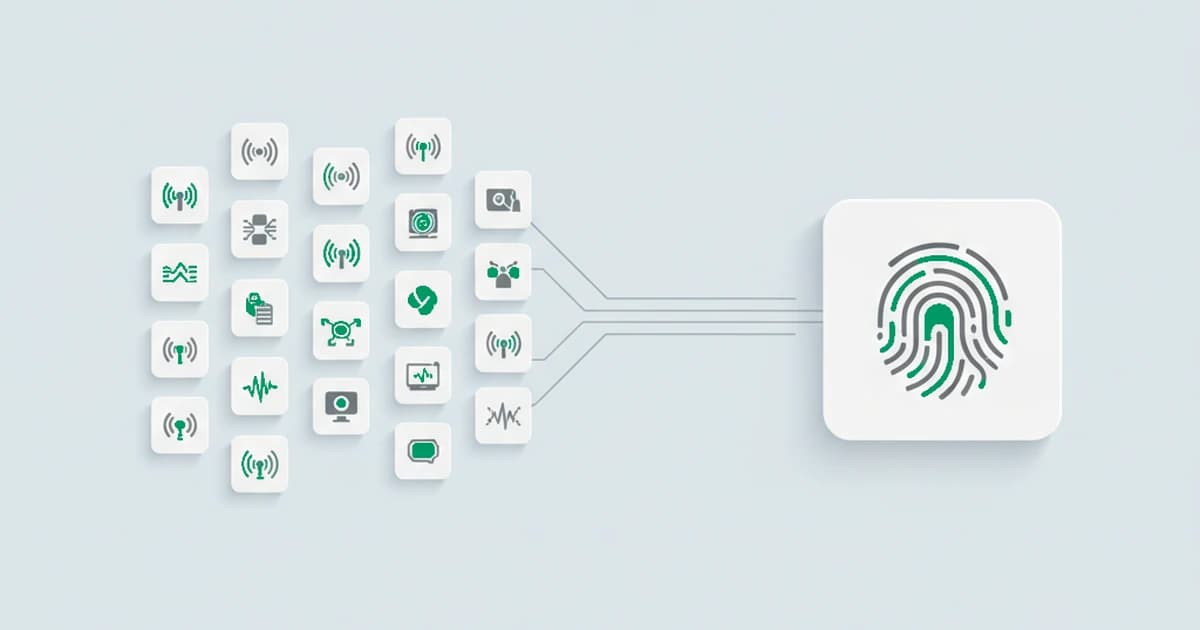
What is device fingerprinting: the signals that make up a device fingerprint, how recognition works across browsers, and what teams use it for.

Browser fingerprinting identifies a device from 300+ datapoints. Learn how canvas, WebGL, and IP signals work, plus detection methods and countermeasures.

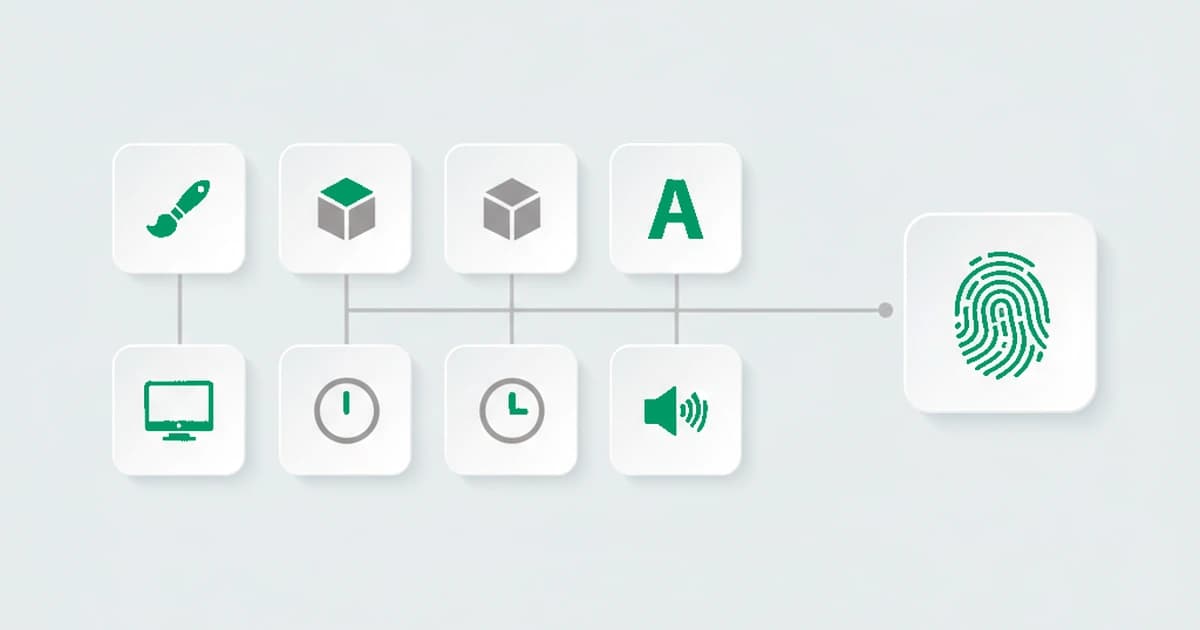
Canvas fingerprinting identifies a browser by how it renders a hidden image. How it works, what it reveals, how stable it is, and its role in fraud detection.

Detect account sharing with device intelligence, login activity and automatic detections. Review device history and account for legitimate multi-device use.

The main browser fingerprinting techniques: canvas, WebGL, audio, fonts, TLS (JA3/JA4), and more, what each one reads and how stable it is.