


FeaturedFraud prevention
Paywall Abuse Prevention: Protect Access and Reading Limits
Prevent paywall abuse with server-side entitlements, safe caching and persistent reading limits. Separate content leaks from account sharing.
Learn about fraud detection and prevention, device intelligence, bot detection and traffic risk scoring.
Prevent paywall abuse with server-side entitlements, safe caching and persistent reading limits. Separate content leaks from account sharing.

How browser, device and TLS signals reveal spoofing on the web, plus where mobile attestation belongs in a separate defense layer.
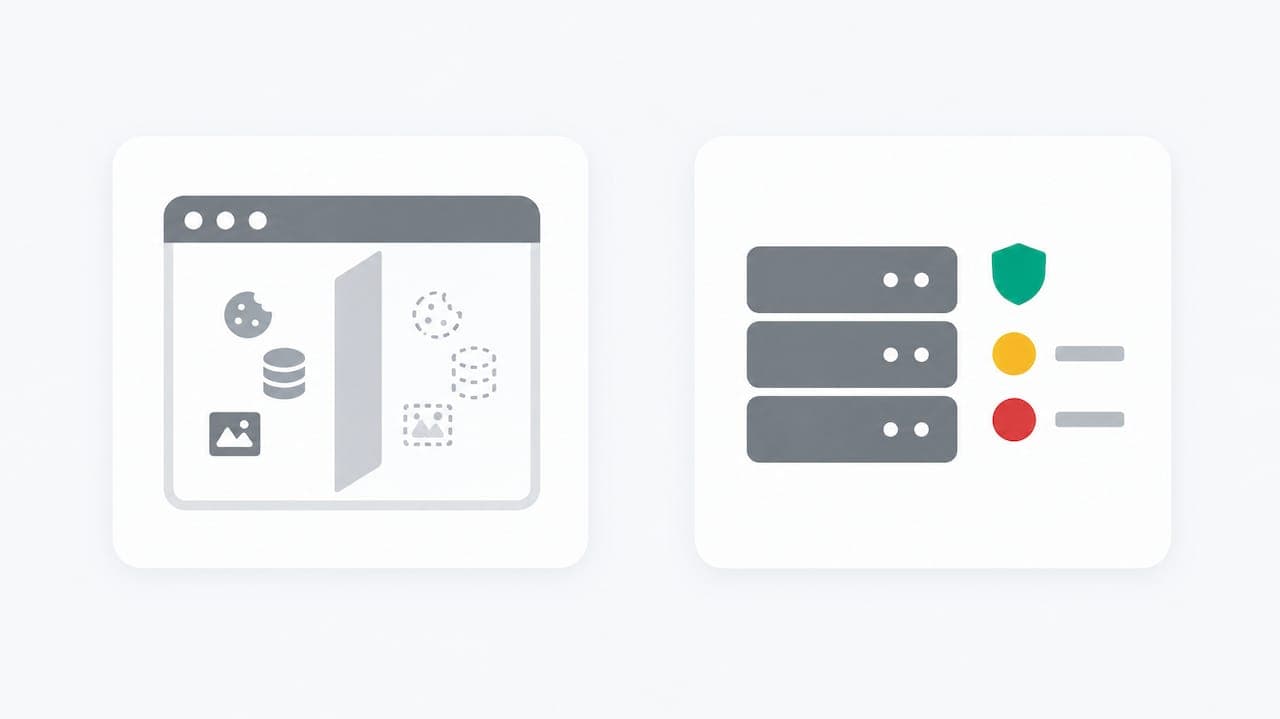
Why private-mode probes are unreliable and how device recognition can identify repeat activity despite cleared cookies or incognito sessions.
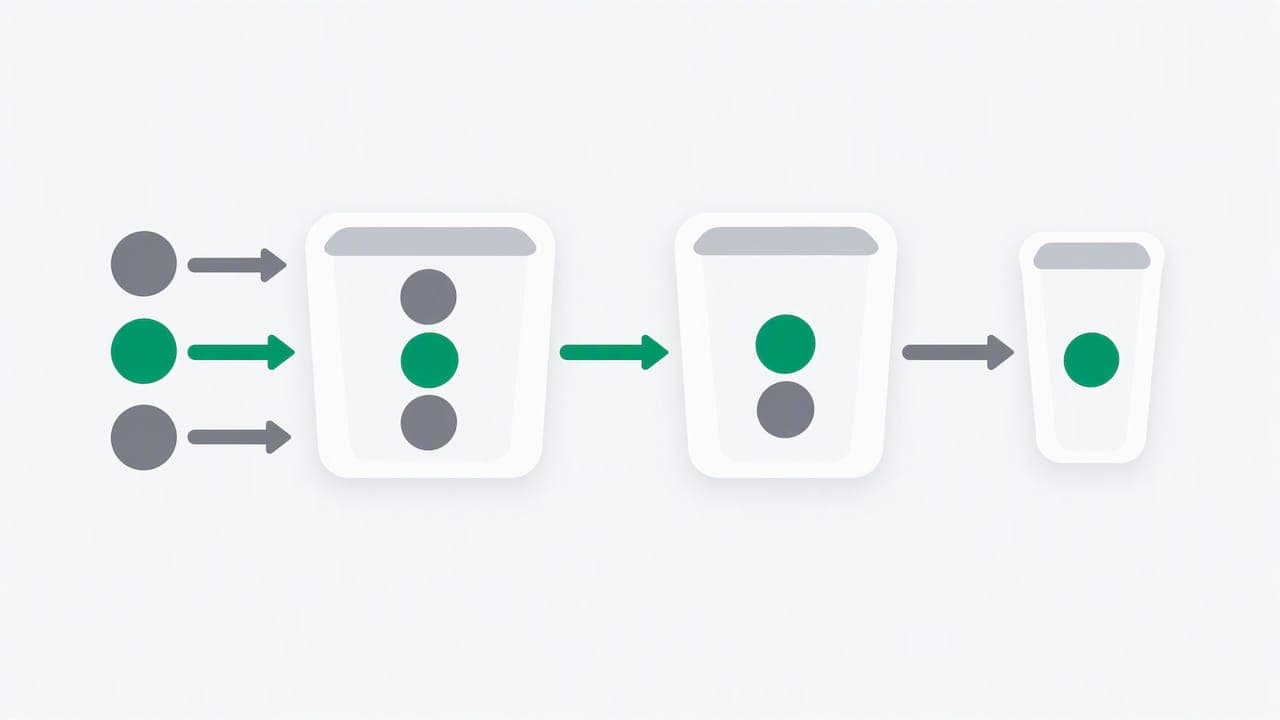
Layered Laravel bot detection with endpoint rate limits, Redis scaling, honeypots, logging and web device signals.

A practical guide to purpose, consent exceptions, retention and rights when using device fingerprinting for fraud prevention in the UK and EU.

Compare fraud detection pricing models and calculate ShieldLabs costs using 5,000 free identifications once, monthly plans and annual billing.
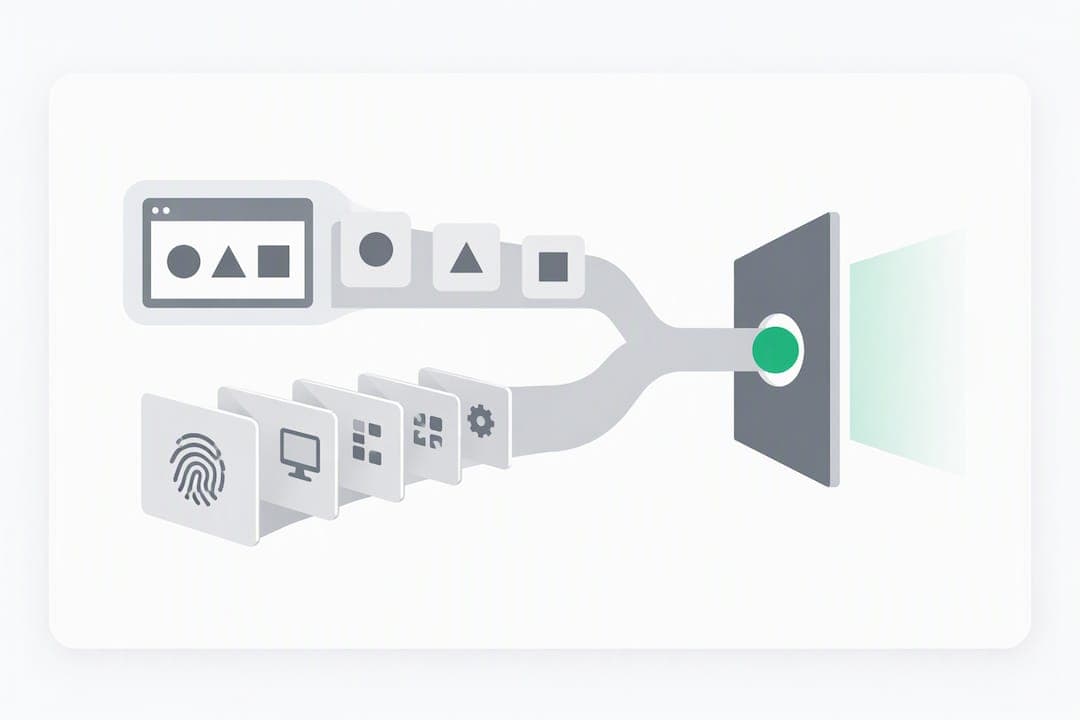
Compare challenges with device identification and risk signals, then choose where friction belongs in a web fraud prevention flow.
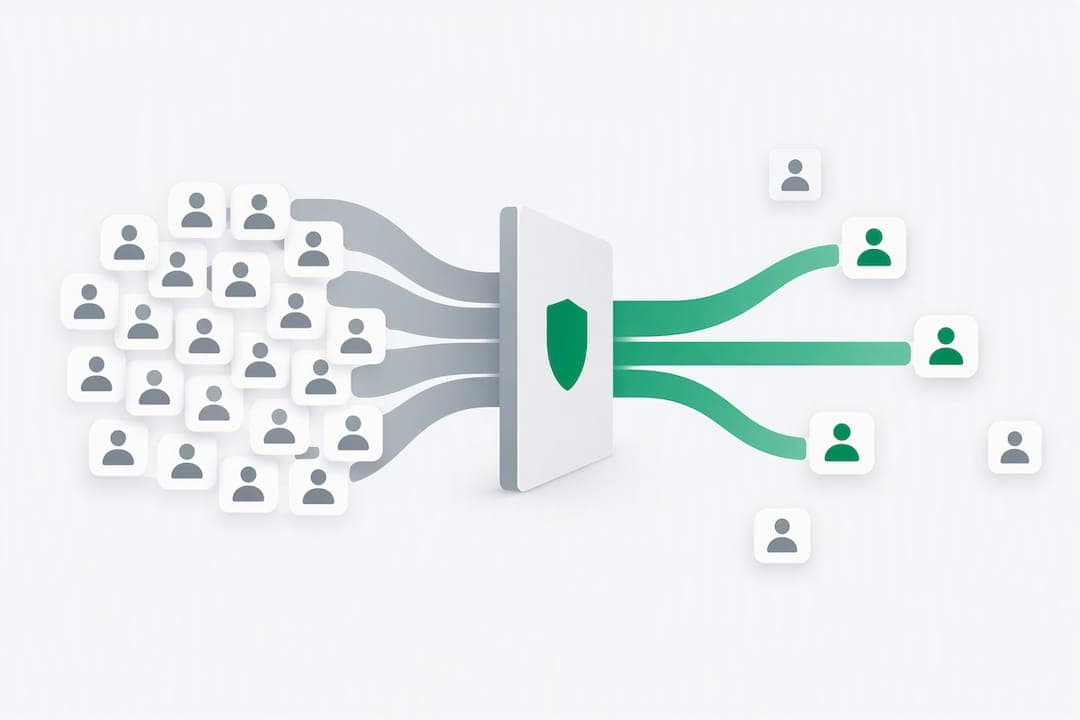
Learn how marketplaces combine device identification, automatic multi-accounting detection and reputation models to prevent Sybil abuse and protect trust.
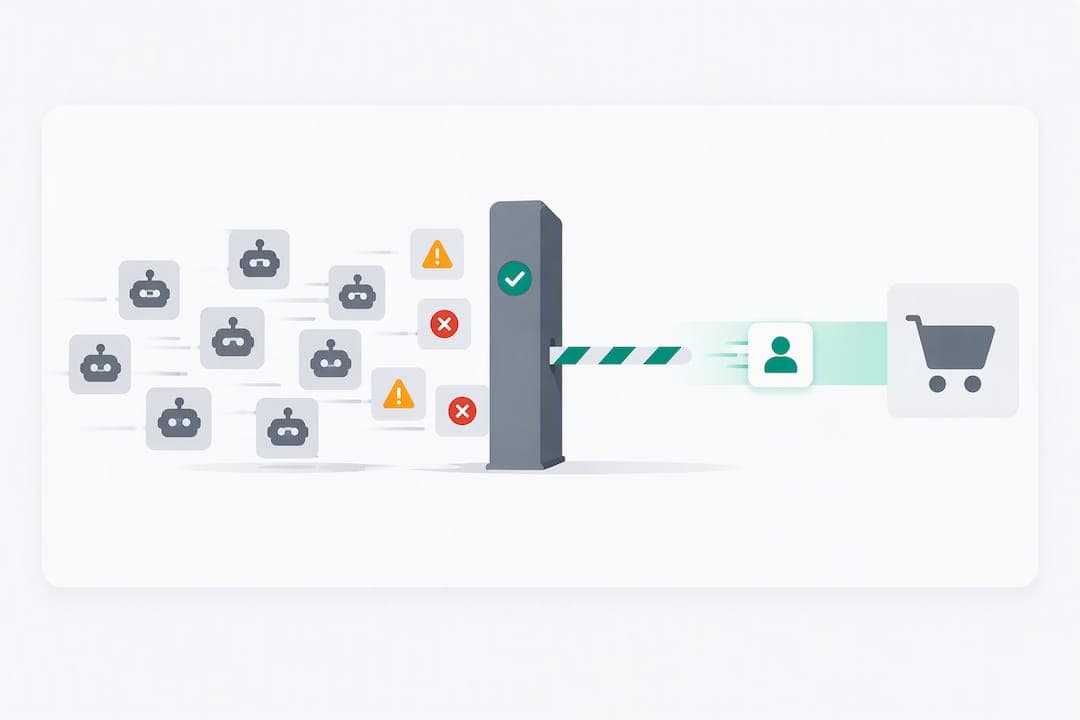
A practical guide to bot signals, edge and application controls, and measured rollout for ecommerce teams without overstating one study result.

How to stop multi-accounting in online gambling: why players open multiple betting accounts, the signals that link them to one person, and an operator playbook.
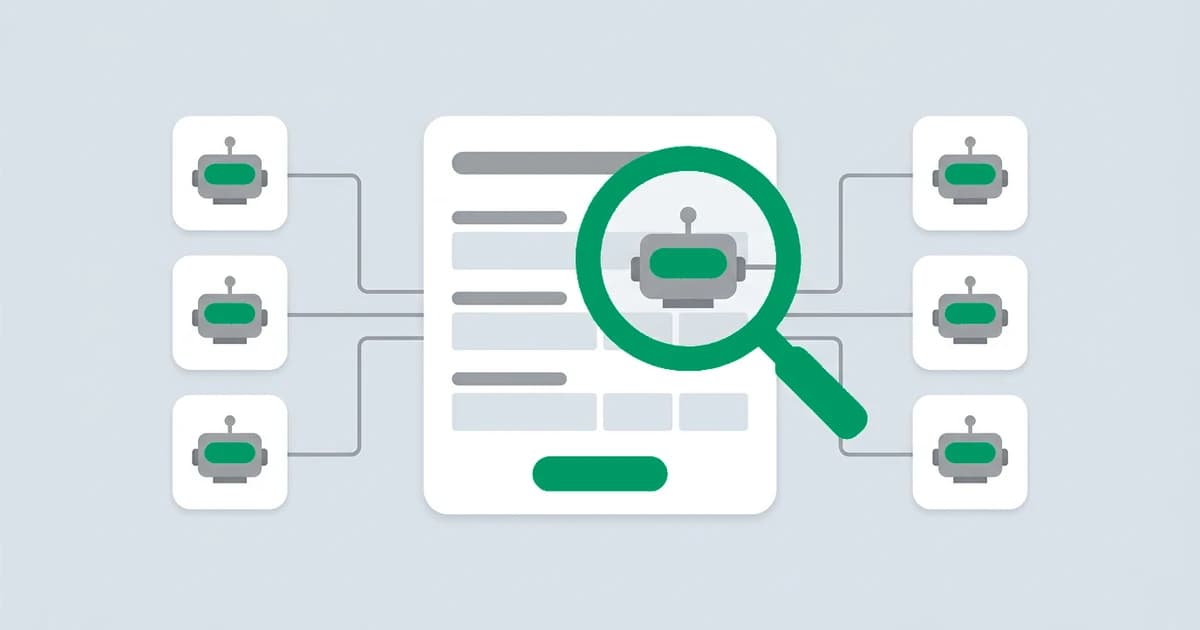
How to detect betting bots: the five kinds operators face, the device, network, and timing signals that expose them, and how to stop bot-driven abuse.
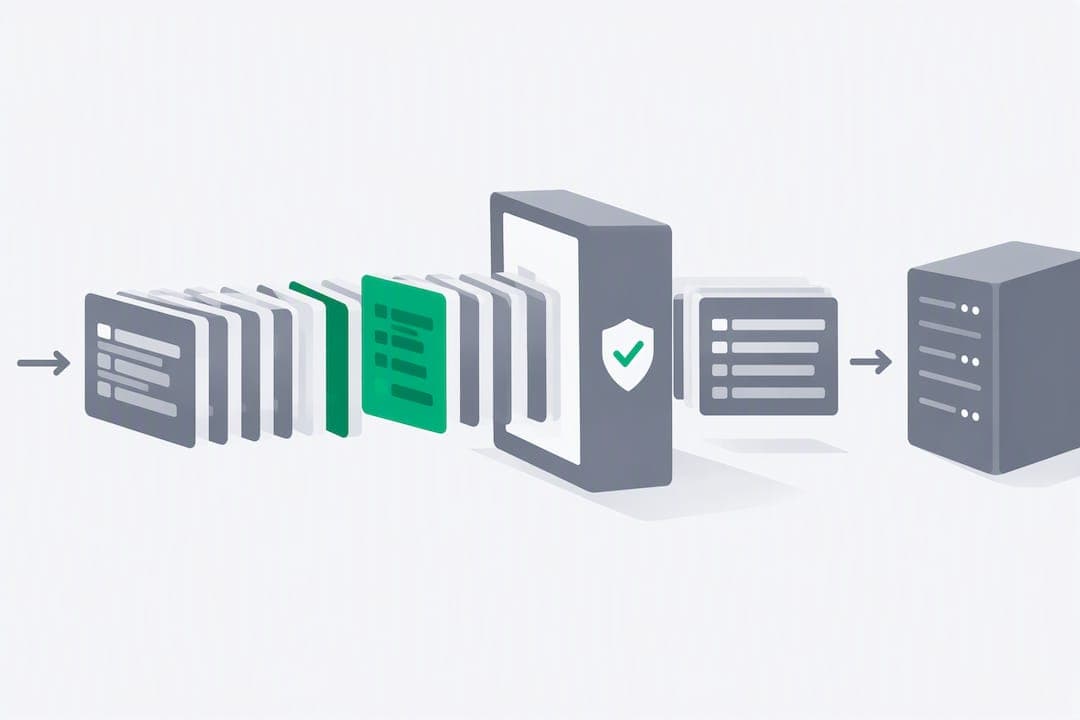
How HTTP headers, TLS JA4 and HTTP/2 frame fingerprints differ, including what must be captured after TLS termination and where ShieldLabs fits.
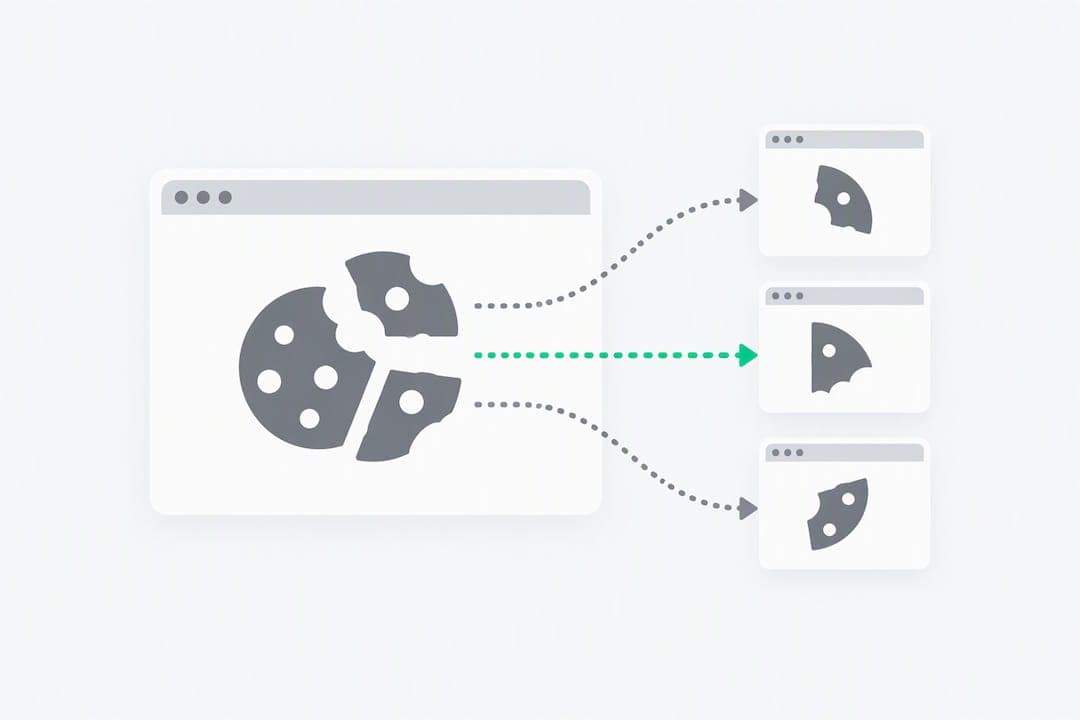
How third-party cookie restrictions affect attribution, where first-party measurement helps, and how to assess device recognition separately.

