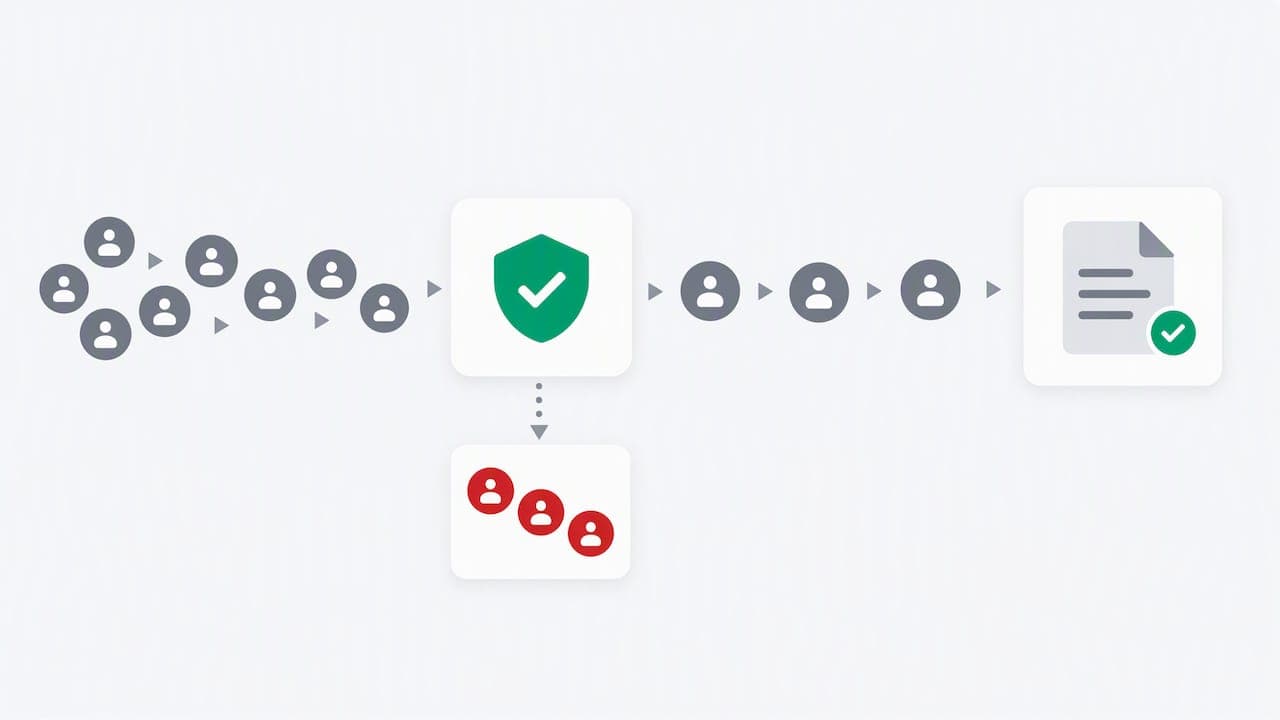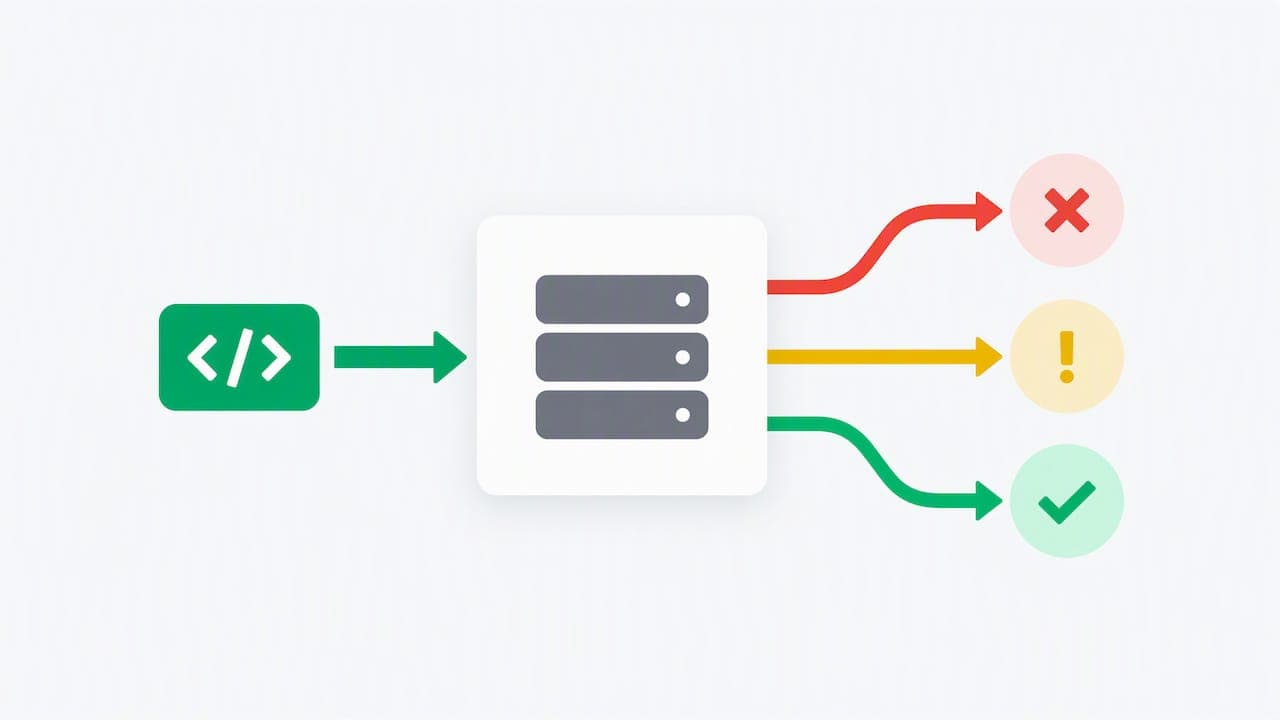

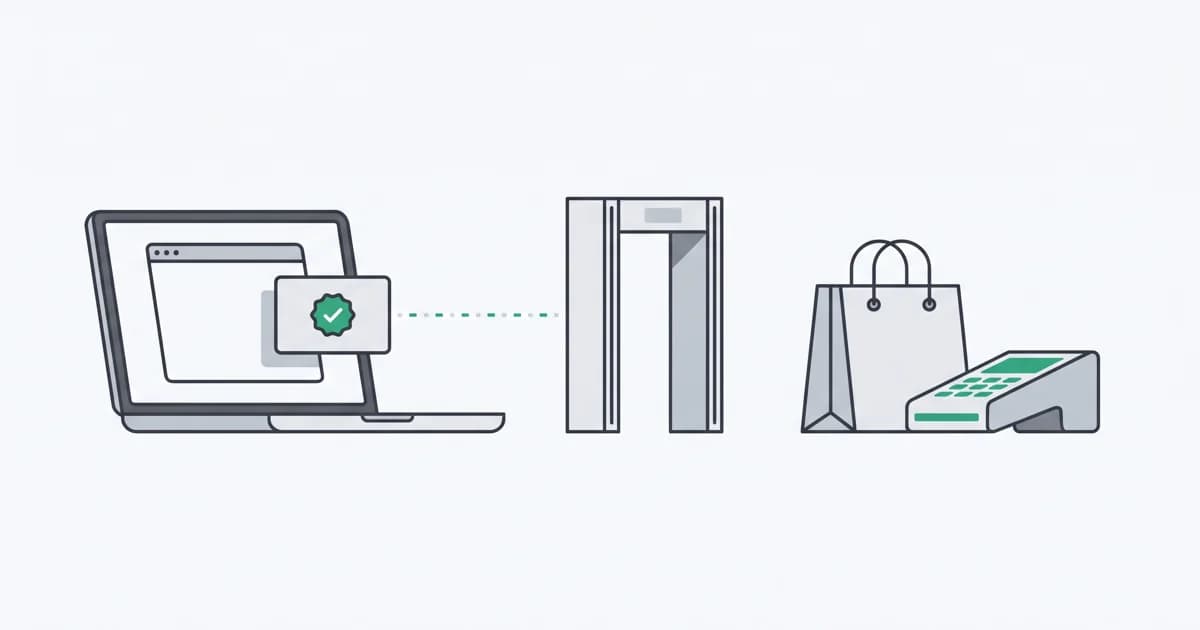
Payment Fraud Prevention Implementation: Device Evidence Before Checkout
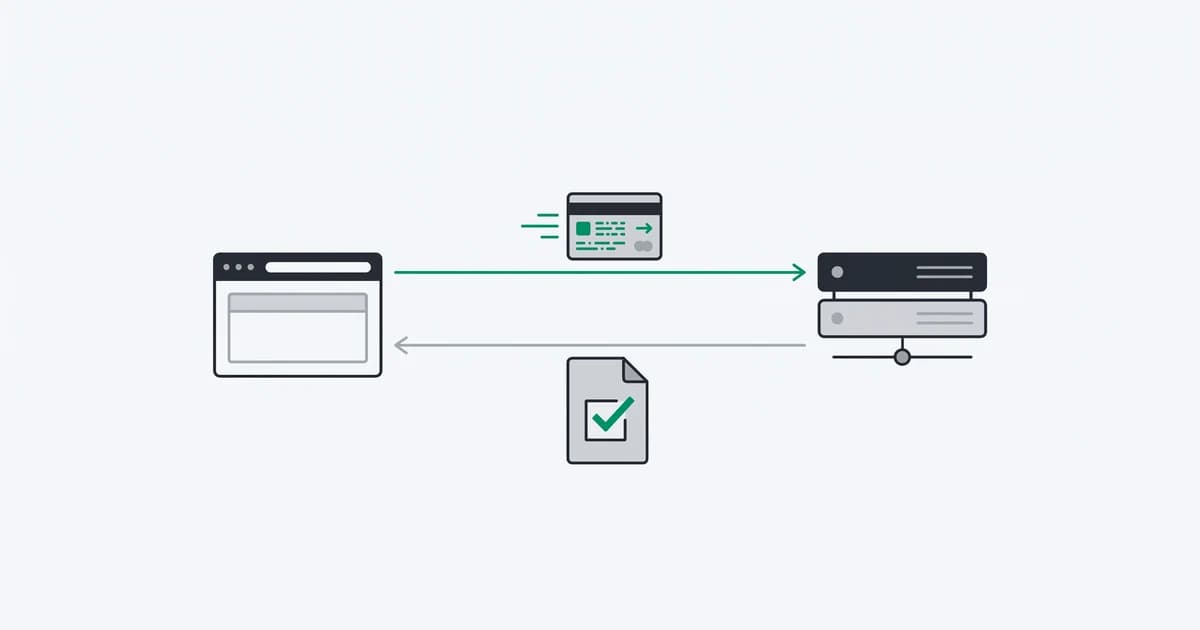
Build payment fraud prevention into checkout with server-verified device evidence, order binding, safe retries and signed webhooks. Follow a tested example.
Learn about fraud detection and prevention, device intelligence, bot detection and traffic risk scoring.

Build payment fraud prevention into checkout with server-verified device evidence, order binding, safe retries and signed webhooks. Follow a tested example.

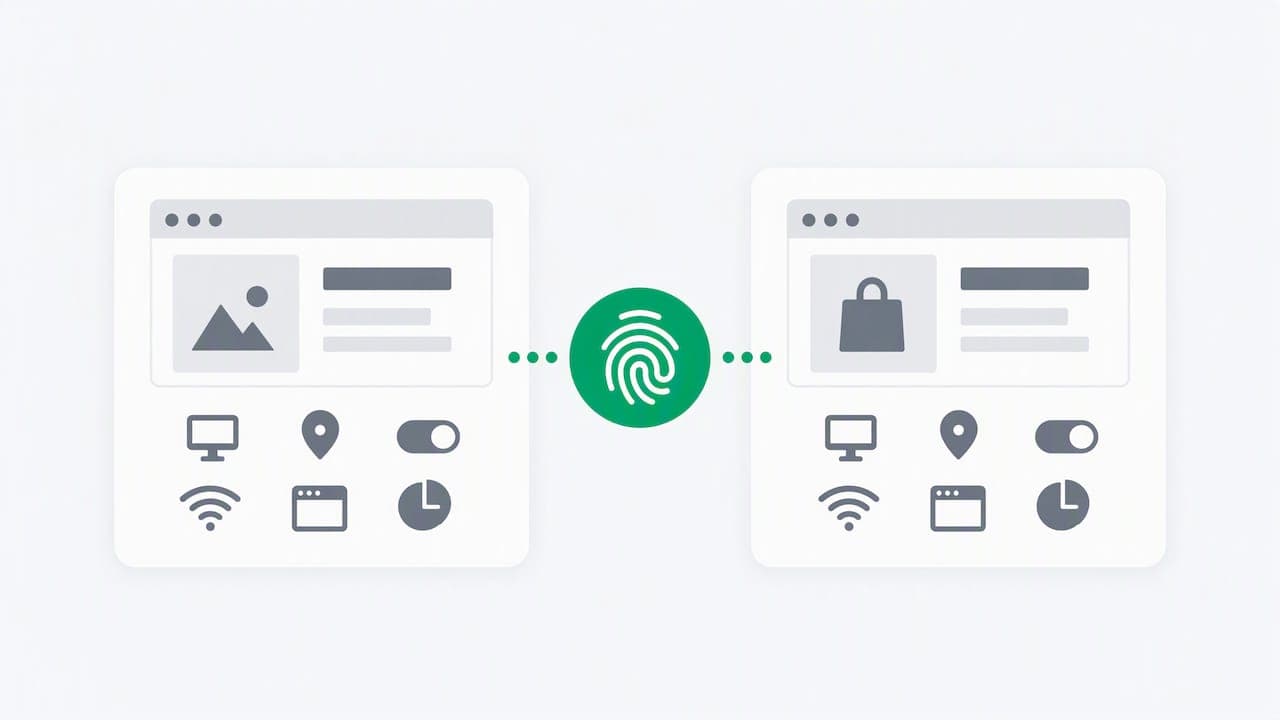
Learn how web device binding helps fraud teams recognize visitors with coarse fingerprints while managing privacy, latency, drift, and false positives.

Design remember this device for MFA with a revocable trust credential, persistent device context, expiry and step-up authentication for sensitive actions.

Detect AI agents on a website by separating operator identity, automation evidence and authorization. Protect accounts while permitting useful public crawling.

Integrate a fraud detection API into web signup and login with browser collection, verified server results, signed webhooks and clear timeout handling.

Use fraud analytics to investigate risk signals, account events and traffic sources. Read dashboard units correctly and join evidence to real outcomes.

Test device fingerprinting accuracy with independent ground truth, return recognition, collisions, splits and coverage. Keep benchmarks and claims separate.

Investigate device farm fraud in web accounts using device relationships, signup timing and benefit eligibility, while keeping legitimate shared use visible.

Connect browser fingerprinting to a Python backend with the ShieldLabs SDK, FastAPI result reads, signed webhook checks and explicit validation boundaries.

Compare seven bot detection tools across browser/device evidence, account behavior, edge mitigation and challenges, with current integration and plan checks.

Detect traffic laundering with four checks across supply paths, device and network signals, and forensic samples; track decision rates using MRC guidance.

Audit ready playbook for velocity checks: industry backed rules, a 90 day rollout checklist, reviewer workflows, and ShieldLabs signals.

Developer playbook for privacy first React bot detection. Use invisible attestation, graduated responses, and auditable ShieldLabs signals. One JS snippet...