

Detect Free Trial Abuse with 100+ Signals for SaaS Teams


Last updated on September 15, 2026 · 12 min read
Free trial abuse happens when the same actor repeatedly creates new accounts, identities, or payment instruments to keep consuming a paid product for free, draining compute and support resources while corrupting acquisition metrics. The immediate priority for product and engineering teams is not blunt blocking. It's instrumenting persistent visitor identification and risk signals so enforcement decisions are based on evidence, not guesswork.
TL;DR:
- Over 6.2 times more abuse was reported on free trials across Stripe's network between late 2025 and early 2026, with self-serve AI startups experiencing ten times more attempts than enterprise vendors.
- Common tactics include repeated trial cycling with virtual cards, synthetic identities, automated account creation, referral farming, and payment method trickery, often accomplished with minimal tooling.
- Early signals of abuse rely on persistent device identifiers, network indicators, behavioral velocity, and payment pattern anomalies rather than solely on suspicious behavior.
- Detection benefits from layered, risk-based scoring and signals exposure, with implementation starting by collecting persistent identifiers and basic velocity rules within days.
- Prevention should focus on scoring risk and applying progressive friction, reserving outright blocking for high-confidence cases, to avoid punishing legitimate users and skewing metrics.
Table of Contents
- What Is Free Trial Abuse and Why Does It Matter for SaaS?
- Common Free Trial Abuse Tactics
- What Early Signals Point to Free Trial Abuse?
- Layered Prevention: A Practical Playbook
- Implementation Checklist: What to Build First
- What the Data Behind Detection-First Prevention Looks Like
- Detection First, Enforcement Second
- Evaluate ShieldLabs as Your Detection Layer
- Primary Sources for Further Reading
- Sources
- FAQ
What Is Free Trial Abuse and Why Does It Matter for SaaS?
Free trial abuse differs from the consumer-facing "subscription trap" scams regulators track. Those involve companies burying auto-renewal terms in fine print. What SaaS teams face is closer to trial cycling: the same person or coordinated group repeatedly signs up for fresh trials, using new emails, virtual cards, or browser profiles to reset the clock indefinitely.
Some product models absorb this better than others. Self-serve platforms with open signup, API-first products, and anything compute-heavy (AI inference, video rendering, large-scale data processing) are the most exposed, because each abused trial consumes real infrastructure cost, not just a support ticket.
Watch these metrics to catch the drain early:
- Trial cost leakage: infrastructure or API spend per trial account versus expected usage for a legitimate evaluator.
- CAC inflation: paid acquisition channels reporting trial signups that never had any intent to convert.
- Conversion rate segmented by risk band, not blended across all traffic.
Stripe's analysis of first-party fraud shows that account and trial abuse are among the fastest-growing categories of dispute activity, and that traditional prevention rules are increasingly ineffective against it.
Common Free Trial Abuse Tactics
Abuse rarely looks the same twice, but it clusters into a handful of repeatable patterns. Recognizing the pattern is most of the detection work.
- Trial cycling. The same actor burns through your free tier repeatedly using fresh email addresses paired with virtual or prepaid cards that authorize but never get charged.
- Synthetic identities. Disposable email domains, invented names, and proxy or VPN stacks combine to make one person look like dozens of unrelated signups.
- Automated signups. Scripts or headless browser automation register accounts at a pace no human matches, often to farm API keys or trial credits at scale.
- Referral and promo farming. Coordinated multi-account rings exploit referral bonuses or promo codes, each account referring the next in a closed loop.
- Payment-method trickery. Repeated declined-then-success authorization sequences, or the same underlying card token reappearing under different account names, both signal a single actor cycling through your funnel.
None of these tactics require sophisticated tooling. A single person with a spreadsheet of disposable emails and a virtual card generator can run trial cycling manually. That's part of why detection needs to happen at the signal level, not the "does this look sketchy" level.
What Early Signals Point to Free Trial Abuse?
The earliest and most reliable signals come from persistence, not intent. A visitor who returns under a new email but the same underlying device or network footprint is the clearest tell available before any usage pattern even develops.
Four categories of signal matter most:
- Persistent visitor identifiers. Fingerprint-based identification that survives cleared cookies, incognito mode, and weeks between visits reveals when "five new users" is actually one returning device.
- Device and network indicators. Anti-detect browser detection, datacenter IP ranges, VPN and proxy usage, and traffic routed through Apple Private Relay all raise the baseline risk of a signup.
- Behavioral velocity. Multiple account creations from the same IP or device combination within a short window, or identical metadata across "different" users, both point to one actor.
- Payment patterns. The same card token, BIN range, or a repeated declined-then-approved sequence across accounts that otherwise look unrelated.
Stripe reported a 6.2x increase in abusive free trials across its network between November 2025 and February 2026, and found that AI startups with self-serve signup saw 10 times more attempted abuse than enterprise AI vendors selling through sales teams. Source: Stripe
That gap between self-serve and enterprise exposure is the clearest argument for prioritizing detection ahead of scale, especially for any product where a trial account can burn real compute.
Layered Prevention: A Practical Playbook
Effective prevention builds in layers, moving from passive signal collection to active but proportionate friction. Blunt rules, like rejecting every virtual card or every Tor connection, tend to punish legitimate users right alongside abusers, which is exactly the failure mode Stripe's fraud analysis flags as a growing problem.
Start with collection and persistence. Store a visitor identifier that survives across sessions and link it to every account created from that identity, so a fourth "new" signup from the same device shows up as a pattern rather than four isolated events.
Layer risk scoring on top. Combine deterministic rules (block known disposable email domains, flag identical card tokens) with a continuous risk score, and keep a record of exactly which signals produced each score. Auditable decisioning matters because it lets your team explain and adjust a call later, instead of trusting a black box.
Apply friction progressively rather than as a single gate:
- Authorize-only card collection at signup, without a charge, to confirm the payment method is real.
- Delayed enforcement that lets a session play out before flagging it, avoiding false positives on legitimate fast movers.
- Step-up verification (a phone number, a short delay, a CAPTCHA variant) only for medium and high-risk sessions, not the entire funnel.
Enforcement itself should split into soft actions (a challenge, a temporary hold, a feature limit) and hard actions (blocking a payment method or account entirely), reserved for high-confidence cases. Everything in between routes to manual review.
Pro Tip: *Track false-positive rate by risk band every week, not just abuse caught.
Card issuer risk data, like the guidance CARDZ3N publishes on high-risk subscription merchant accounts, is a useful complement when tuning payment-side rules specifically.
Implementation Checklist: What to Build First
Sequence matters more than completeness. Most teams overbuild the wrong layer first and leave the cheapest wins for later.
- Days: Collect a payment instrument token at signup, enable a persistent visitor identifier, and add basic velocity rules (signups per IP, per device, per hour).
- Weeks: Add anti-proxy and anti-detect browser flags, BIN-level card analysis, and a campaign-level risk dashboard that breaks traffic quality down by acquisition channel.
- Ongoing: Build a manual review queue with clear triage SLAs, log every decision and the signals behind it, and track false-positive rate as a first-class metric alongside abuse caught.
Instrument these metrics from day one: trials per unique visitor identity, infrastructure cost per trial, conversion rate segmented by risk band, and manual review throughput. A rising ratio of trials to unique visitors, even while raw signup counts look healthy, is often the first sign that trial cycling has started before it shows up anywhere else. Stripe's data on abusive trial growth makes clear that this ratio can move fast once a product gets targeted, sometimes within a single quarter.
What the Data Behind Detection-First Prevention Looks Like
Detection-first prevention depends on signal depth, not a single red flag. ShieldLabs scores every visit against more than 100 signals spanning device, network, and behavioral data, drawing on deterministic rules and AI interpretation to produce a per-visit risk score with the underlying signals shown alongside it.
Setup runs through a single JavaScript snippet, with a first signal typically available within about five minutes. Server-side SDKs cover Node.js, Python, Go, and PHP, with framework guides for React, Next.js, and similar stacks for teams that need signals earlier in the request lifecycle.
- Per-visit risk scoring with the signals behind each score exposed, not hidden.
- Traffic quality analytics broken out by acquisition channel, so a campaign quietly bringing in high-risk signups shows up in the dashboard.
- Cross-account pattern detection for multi-accounting and account farms tied to a single underlying identity.
Jeff's guidance on preventing free-trial abuse without losing real users covers the tuning trade-offs in more depth for teams building this out.
Detection First, Enforcement Second
Blunt blocking rules feel decisive, but they punish the wrong people as often as they stop the right ones. The more durable approach scores risk, keeps the signals behind every score visible, and lets your own code decide what happens next.
Progressive friction protects the funnel that actually matters: the majority of signups who are exactly who they say they are. And any traffic segment carrying a high risk score belongs out of your CAC and conversion numbers entirely, because a trial cycling ring inflating your "signups" line only makes every other metric harder to trust.
— Jeff
Evaluate ShieldLabs as Your Detection Layer
If you've read this far, you already know that detection has to happen before enforcement, not instead of it. ShieldLabs gives your team that detection layer directly: per-visit risk scoring built on more than 100 signals, persistent visitor identification that holds up despite cleared cookies and IP rotation, and traffic quality analytics that break signups down by acquisition channel so you can see exactly which campaigns are bringing in risk. Every score ships with the signals behind it, so your engineering team keeps the actual enforcement decision in its own code.
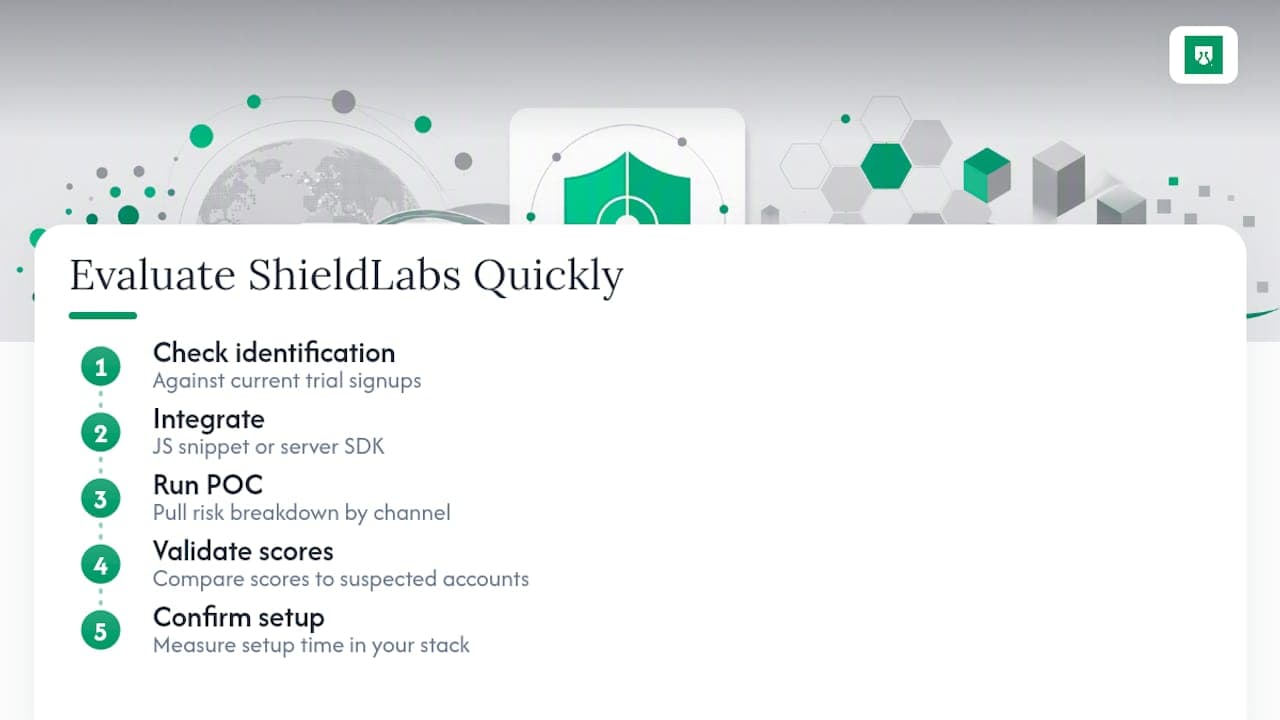
Integration typically involves a JavaScript snippet or server-side SDK, with signals available shortly after setup. The free tier covers 5,000 identifications with no card required, which is enough to run a real evaluation against your own trial funnel. During a proof of concept, pull the traffic risk breakdown by channel, check the visitor risk scoring against accounts you already suspect are cycling, and confirm setup time against your own stack. Start by checking how ShieldLabs identifies returning visitors against your current trial signups.
Primary Sources for Further Reading
- Federal Trade Commission — Free trials guidance on deceptive billing and negative-option marketing.
- BBB's full study on free trial scams, including complaint and chargeback data.
- Stripe's analysis of free trial abuse trends across its network.
- ShieldLabs' solution page on trial-cycling detection.
Sources
- Free Trial Scams (BBB full study)
- Federal Trade Commission — Free trials guidance
- How Stripe Radar helps prevent free trial abuse
- Analyzing first-party fraud trends: account, free trial, and refund abuse
FAQ
Is It Illegal to Keep Signing Up for Free Trials?
Repeatedly signing up for free trials to avoid payment can violate a platform's terms of service, though it's typically treated as a contract or fraud issue rather than a criminal one. The FTC's guidance focuses on merchants who use deceptive billing practices, not on individual users cycling through trials.
Can You Get Charged for a Free Trial You Forgot to Cancel?
Yes. Most free trials convert to a paid subscription automatically unless canceled before the trial period ends, and the FTC advises tracking the cutoff date and monitoring statements closely.
What Happens if You Don't Pay for a Free Trial?
If a trial requires payment authorization and you don't cancel, the card on file gets charged automatically; if no payment method was collected, the account typically just loses access. Products using authorize-only card verification at signup can distinguish between real users and abuse without charging anyone during the trial itself.
How Do Companies Try to Get Free Trials Without Paying?
Common methods include creating multiple accounts with disposable emails, using virtual or prepaid cards that authorize but decline on actual billing, and routing signups through VPNs or proxies to mask that they're the same person. These are the exact patterns covered under common free trial abuse tactics above, and they're what persistent visitor identification is designed to surface.
How Should a Team Investigate a Suspected Trial Abuse Case?
Start by pulling the risk signals tied to the account's visitor identity, check for shared device or payment tokens across other accounts, and compare signup velocity from the same IP range before taking any enforcement action.
Recommended
Related articles
One Snippet, Five Minutes: Early Bot Detection for WordPress Sites
Cut bot damage on WordPress by detecting early, logging first, and tuning rules safely. Install one JS snippet in about five minutes and start in log-only...

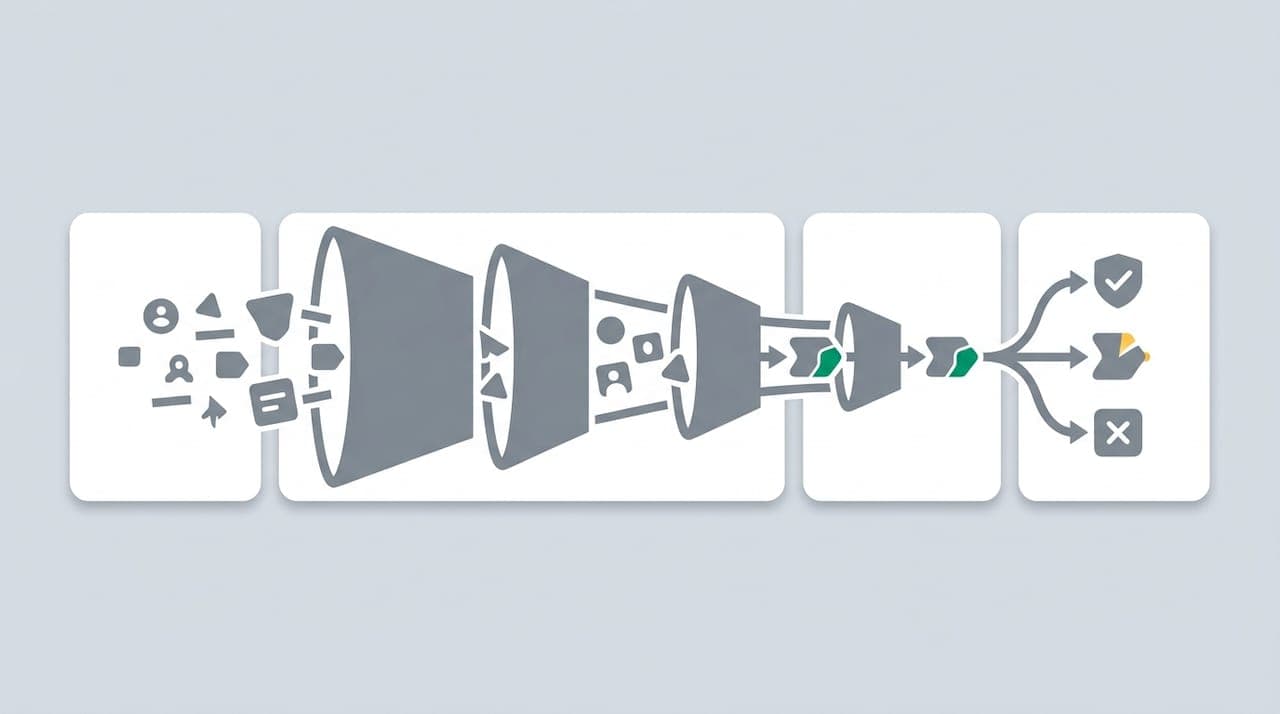
Four Stage Risk Funnel for Fake Signup Detection with Persistent ID
Practitioner guide to fake signup detection. Build a four stage signal first risk funnel and use persistent visitor ID plus auditable signals to cut fake...
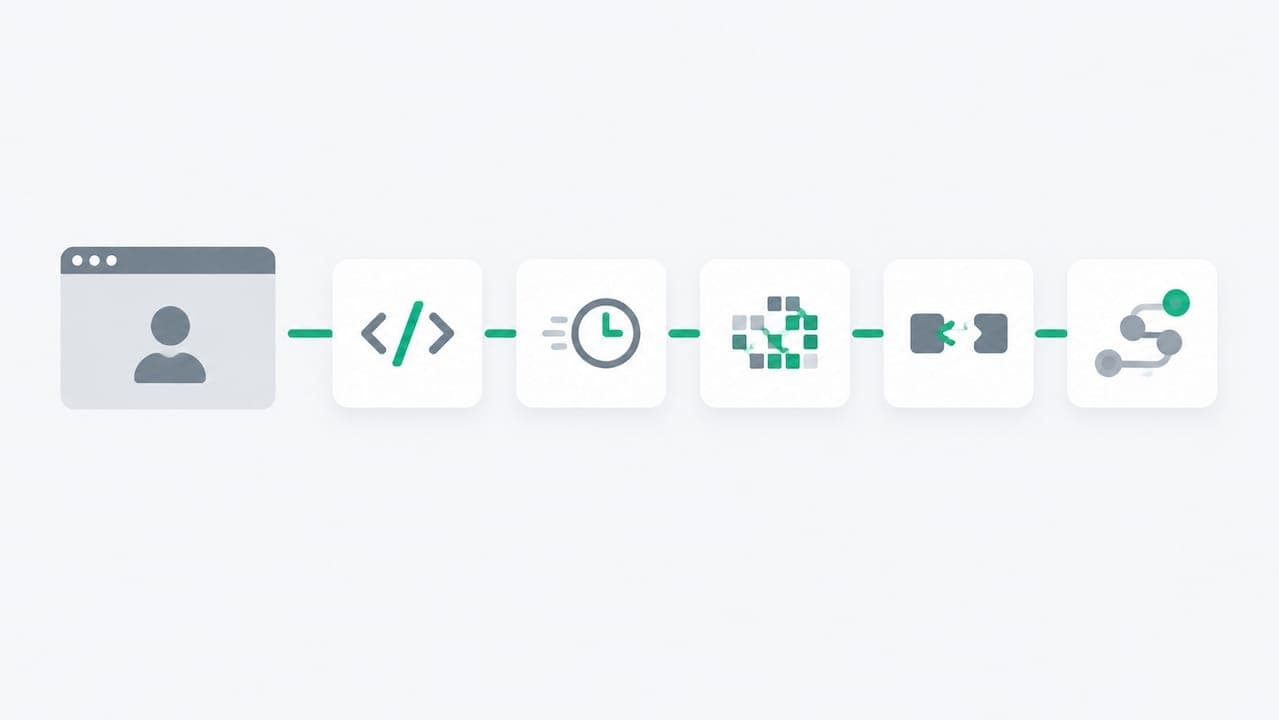
Developer Playbook: Selenium Detection as a Five Signal Classification
Developer first playbook for selenium detection. Learn the five signal groups JavaScript flags, CDP artifacts, rendering, network, and behavior, plus an...