

How to prevent free-trial abuse in AI companies: a developer's guide

Last updated on September 23, 2026 · 10 min read
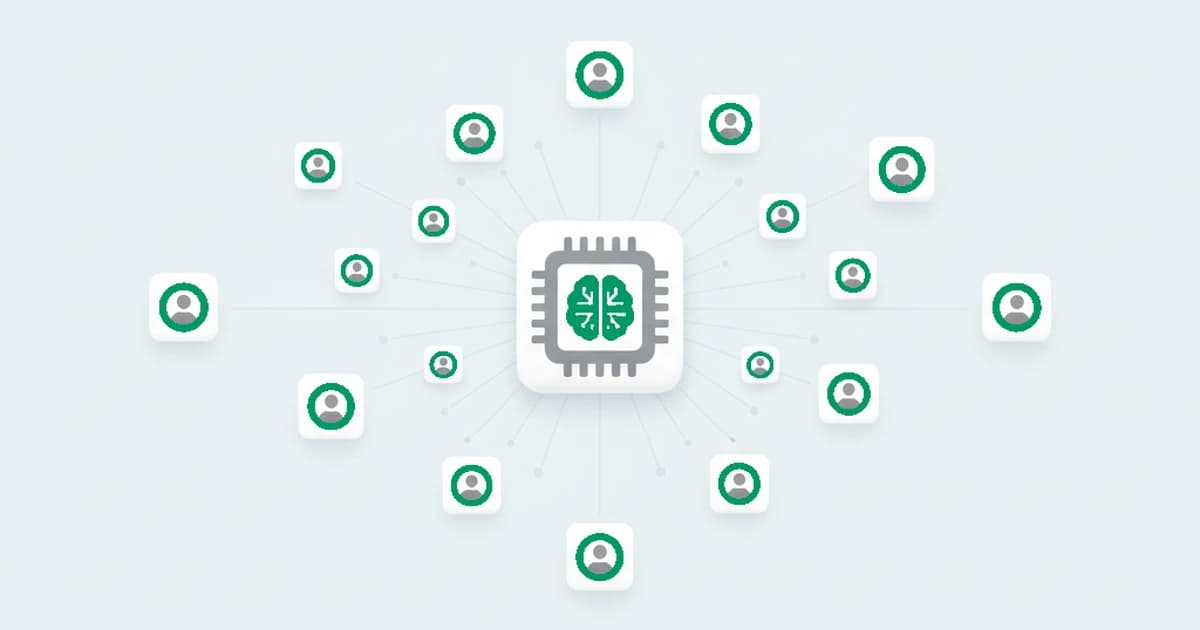
Stripe found that AI startups offering free trials with self-serve sign-ups and direct API access see 10x more attempted abuse than enterprise AI solutions. The reason is economics, not popularity. At an AI company a "free" account is not free to serve: every farmed signup spends real GPU hours the moment it calls the model. One user running a hundred trial accounts is a hundred parallel compute allocations billed to you. The short answer to preventing it: score the signup at the identity layer before the account exists and the API key is issued, rather than chasing the abuse after the credits are already burning.
Key takeaways
- Free-trial abuse at an AI company is one user creating many accounts to drain free credits and compute. It costs more than ordinary SaaS abuse because each fake account spends real inference money, not just a database row.
- The same play goes by many names across industries: trial cycling, trial farming, multi-accounting, account farming, and bonus abuse are one mechanic, many identities tracing back to one user.
- It hides because the user swaps the email, IP, and cookie per account while the machine behind them does not change. An email check or an IP rule never sees that; reading the device does.
- The leverage is at signup, not at usage. Scoring the registration before you provision credits stops the compute spend at the cheapest possible point.
- The detection layer flags risky signups with a risk score and the named signals behind it, and you choose the action: gate credits, challenge, or allow.
What is free-trial abuse (at an AI company)?
Free-trial abuse is when one person or one automated user creates many accounts to claim the same free offer more than once, in this case the free credits, tokens, or trial compute an AI product gives every new signup. Each account looks independent: a different email, a different IP, sometimes a different declared device. Underneath, they trace back to the same user harvesting free inference at scale.
The tactic is old, but the vocabulary is scattered, and that scattering is worth naming because it is one mechanic wearing different costumes:
- Trial cycling: the same person re-creates a trial after the last one expires, using a fresh email and a cleared browser to stay on the free tier indefinitely.
- Trial farming: running dozens of trials in parallel or in sequence from one machine, often automated into a pipeline.
- Multi-accounting: the umbrella term for one user controlling many accounts on a single service.
- Account farming: the industrial version, where creating accounts is itself the product, sold on or pointed at whatever free offer pays best this week.
- Bonus abuse and gnoming: the same play in iGaming and rewards, where "gnoming" is the betting-world slang for running a stable of accounts to claim one promotion many times.
The common thread: every name above is one user changing the surface details (email, IP, cookie) while the device underneath repeats. That repetition is what makes it catchable, and at an AI company it is also what makes it expensive.
Why AI products get hit harder than ordinary SaaS
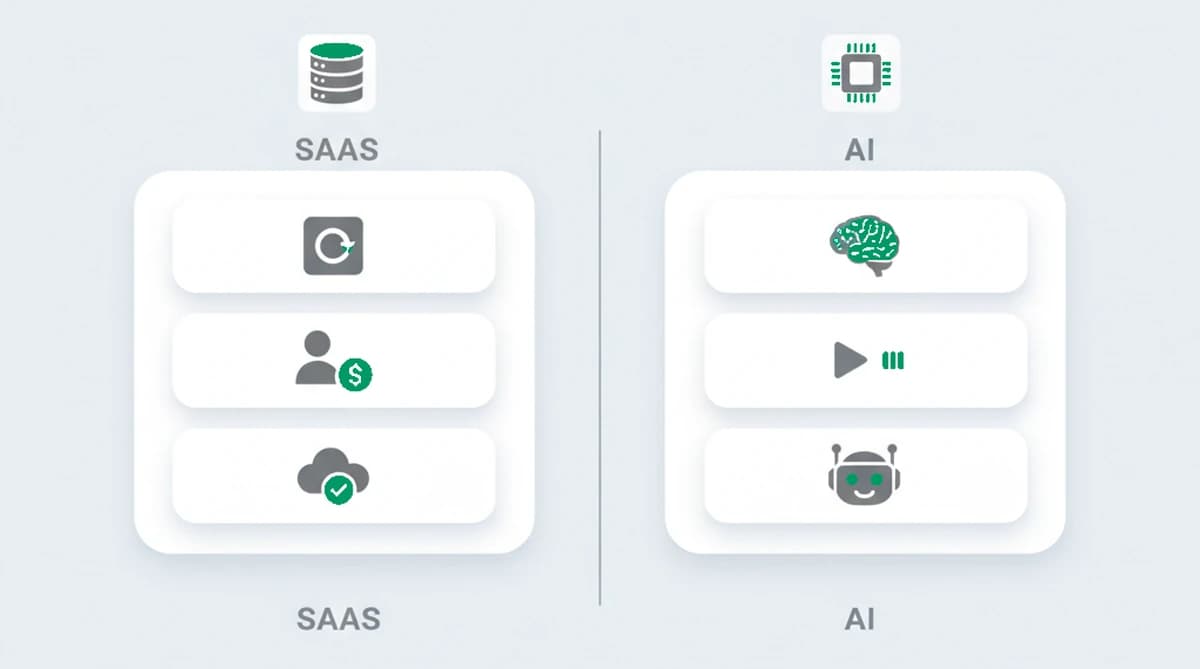
AI products get hit harder because the free tier has a direct, per-use cost of goods, so abuse converts straight into a cloud bill instead of a rounding error. On a typical SaaS app a fake free account costs you a row in a database and some storage. On an AI app the same fake account, the moment it sends a prompt, spends GPU seconds you pay a provider for. Multiply by a user running a hundred of them and the free tier stops being a marketing cost and becomes a metered leak.
A few forces stack the odds against self-serve AI products specifically:
- Per-inference economics. Free credits map almost one-to-one to compute spend, so the abuser's gain (free model access) and your loss (real GPU hours) are the same transaction.
- A liquid resale market. Harvested credits and ready-made accounts have buyers. People who want premium model access without paying create steady demand, which funds the users who automate the farming. A stockpile of farmed accounts is also raw material for worse abuse: repointed at credential stuffing, used to scrape the product or model output at no cost, or recycled for stolen-card testing against the billing flow.
- Low identity cost. Disposable inboxes and the folk habit of using a second or third email to grab another trial mean fresh "identities" are effectively free.
- Polluted metrics. Beyond the compute bill, farmed signups corrupt the numbers a growth team steers by: activation, trial-to-paid, and cost per signup all read wrong when a slice of the funnel was never a real prospect, and fake usage even skews which features look used, so roadmap decisions bend toward people who will never pay. That makes free-trial abuse prevention an analytics-integrity problem as much as a cost one.
The signals that expose a farmed signup
A farmed signup gives itself away because the user can change the surface details per account, but the device, the network, and the timing leave correlated traces that no single fresh email can hide. No one signal decides anything; the read is how many independent signals agree that two "different" accounts are really one. The tells that do the work:
| Signal at signup | What it suggests | Strength |
|---|---|---|
| The same device behind several "new" accounts | one user, many trials | High |
| An anti-detect browser detected | a profile built to look unique per account | High |
| Fresh email, same device fingerprint | a cosmetic identity change, not a new person | High |
| A residential-proxy or VPN connection | IP rotation to dodge an address rule | Medium-High |
| A burst of signups minutes apart from one footprint | automation, not organic demand | Medium |
No single tell decides anything; the more layers a user fakes, the more surfaces they have to keep consistent, so a coherent device behind several "new" signups is the disagreement that gives the farm away. The device beats a rotating IP because it does not reset when the email, the cookie, or the IP does. What is specific to AI is when you read these signals and what you do with the result.
Score the signup before you issue the key
The leverage at an AI company is timing. The question every user wants you to ask late ("why is this account burning so much compute?") is far cheaper to answer early ("does this signup look like one we have already seen?"). Reading the device and network signals when the registration arrives, before any credits are provisioned, turns an expensive cleanup into a cheap gate. Two prevention moves then pair naturally with the risk score and are underused at AI companies specifically:
- Gate credits, not just signups. Issue a small initial credit balance and unlock the rest after a signup earns trust, so a farmed account never reaches the expensive models on day one. The risk score tells you which signups to gate.
- Make abuse unprofitable. The goal is not to win every round; it is to raise the cost of farming above the value of the credits. Scoring at signup plus graduated credit unlock shifts the economics so the hundred-account pipeline stops paying for itself.
Free-trial abuse is a signup problem, not an API-gateway one
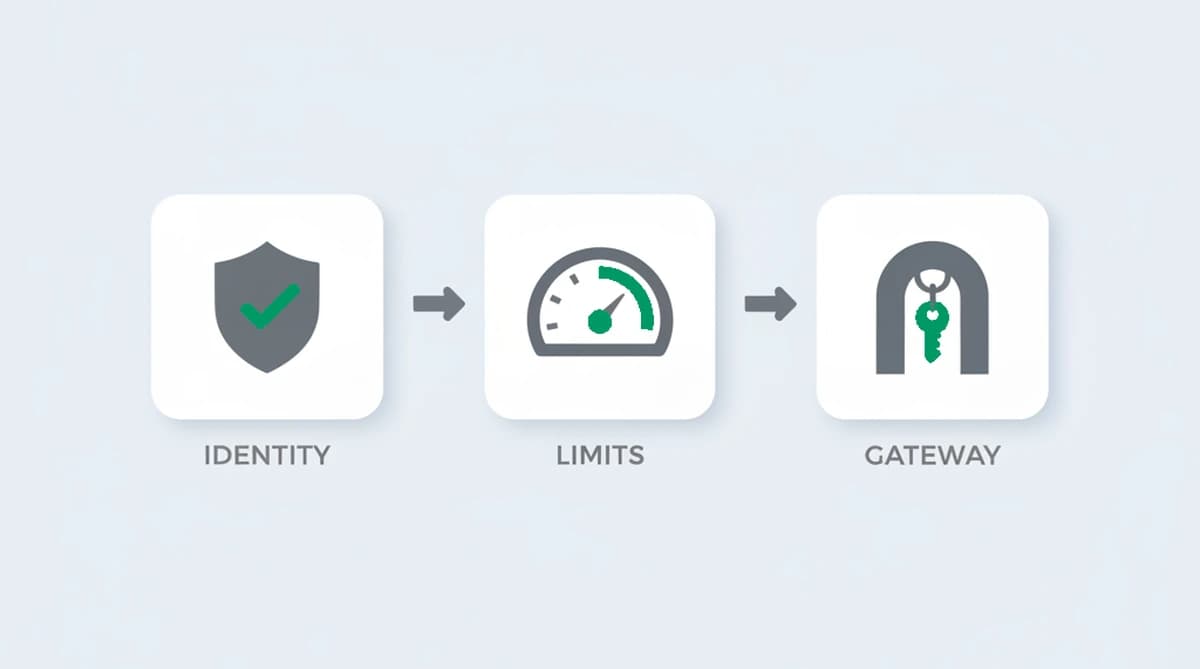
These three get blurred together, but they are separate layers with separate owners, and conflating them is how teams end up with a gap. Free-trial abuse is an identity problem at signup; API-key abuse and rate limiting are usage problems after the key exists. A quick separation:
- Free-trial abuse (signup-identity layer): one user creating many accounts to claim free credits. You stop it by scoring the registration before the account and key exist. This is the layer a device-and-network detection tool reads.
- API-key abuse (key-usage layer): a key, sometimes a legitimate one that leaked, getting used at a volume or in a pattern it should not. The cost can climb fast, which is why per-key spend caps and rotation matter as much as catching the farmed account at signup.
- Rate limiting and spend caps (gateway layer): the per-key and per-org ceilings your API gateway enforces so no single key, abused or not, can run away with your budget.
Scoring the signup cuts the farmed account upstream, before a key is ever issued, which is the cheapest place to act. Per-key rate limits, spend caps, and server-side key monitoring stay with your gateway, and the two layers complement each other: identity scoring keeps farmed accounts from minting keys in the first place, and rate limits contain the damage of any key that slips through or leaks later.
Is it illegal to make multiple accounts for free trials?
In most places, making multiple accounts for free trials is not a crime; it is a breach of the service's Terms of Service. The enforcement picture is usually civil and contractual, not criminal:
- The terms. Most products restrict a free trial to one per person, household, or organization, so cycling trials breaks the contract you agreed to at signup.
- The response. Once a signup is flagged, a platform can terminate access, recover the unpaid usage, and refuse future signups. Enforcement holds up best when it rests on evidence (linked accounts, a shared device, the timing) rather than suspicion.
- When it crosses a line. It can tip into fraud when it is paired with stolen payment details or used to steal payouts and chargebacks, but the plain act of opening extra accounts for free credits is typically a policy matter your team enforces, not law enforcement.
Preventing free-trial abuse for AI companies with ShieldLabs
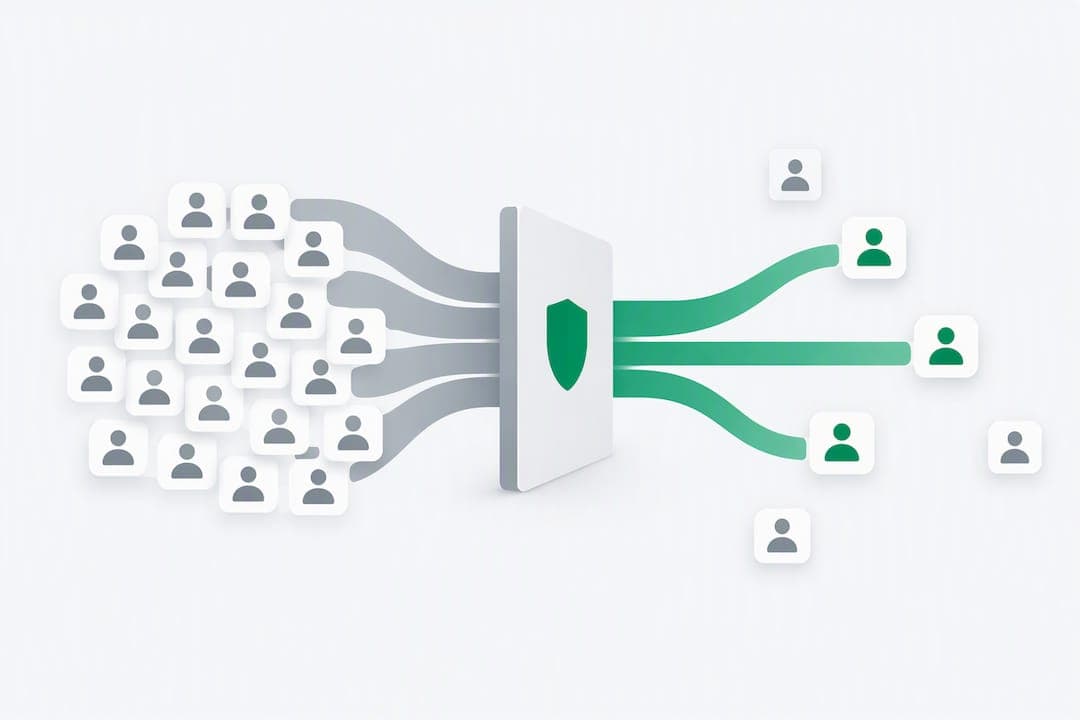
ShieldLabs is the detection layer that runs at signup and hands you a result to act on. You add one JavaScript snippet to your signup or trial-activation page, and on the first visit it returns a risk score from 0 to 100 with the 300+ risk signals and the persistent identifier behind it, before you provision a single credit.
Here is what a risk-scored signup looks like coming back from the API, ready for your signup handler to read before you provision a single credit:
{
  "request_id": "0c284695-cf0b-4755-8beb-0a2e9536595e",
  "device_id": "6a45967d-1371-9652-ba99-b01ea3992208",
  "visitor_id": "aa8c616a-8a25-4a5e-bee2-a9a08e5128a4",
  "session_id": "aa8c616a-8a25-4a5e-b4e2-a9a08e5128a4",
  "cookie_id": "aa8c616a-8a25-4a5e-j4e2-a9a08e5128a4",
  "traffic_source": "https://app.example.com/signup?utm=organic",
  "ip": "62.197.149.124",
  "country": "Lithuania",
  "connection_type": "vpn",
  "antidetect_browser": true,
  "os": "Windows",
  "browser": "Chrome",
  "device_type": "desktop",
  "user_hid": "guest",
  "score": 87,
  "signals": ["antidetect", "vpn"],
  "webrtc_ip": "62.197.149.124",
  "webrtc_country": "Lithuania",
  "javascript_enabled": true,
  "timestamp": "2026-06-10T12:37:04Z"
}
A risk score of 87 sits in the Dangerous band (60 to 100), with the named signals telling you why: an anti-detect browser, a declared OS that contradicts the connection, and a VPN. It scores the visit, surfaces the signals, and helps block fraudulent and abusive signups; you choose the action for a high risk score, whether that is holding the credits for review, asking for a verification step, or letting a clean signup through untouched.
Across signups, ShieldLabs detects Multi-accounting directly as a High-Risk Event, with Medium or High confidence, and names the anonymity tools behind it, so you watch farmed cohorts as a trend instead of one signup at a time. The same identity layer carries over to new-account fraud prevention and multi-accounting prevention, and the risk score, identifiers, named signals, and High-Risk Events all come through the API and webhooks.
Sources
Frequently asked questions
- How do AI startups prevent abuse?
- They stack a few inexpensive checks at signup instead of trusting any single one: verifying the email or phone and often asking for a payment card so a throwaway identity costs something, reading the device and browser so a fresh inbox does not pass as a brand-new person, issuing a small starter credit balance and unlocking the rest as an account proves itself rather than handing over full compute on day one, and capping spend per key and per organization so no account can run away with the GPU bill. None of these works alone; farming only stops paying off when several are in place at once.
- What is the three email rule?
- It is an informal habit, not an official policy: the idea that you can grab a couple of extra free trials by signing up with a second or third email address. It works against systems that only check the email, and it fails against device-level detection, because swapping the inbox does not change the machine behind it. A stable device identifier ties those two or three different emails back to the same signup.
- Does ShieldLabs block trial signups automatically?
- ShieldLabs flags risky trial signups and helps block fraudulent and abusive ones: it returns a risk score, the named signals, and High-Risk Events such as Multi-accounting, and you choose the action for each case. A high risk score can hold credits for review or trigger a verification step, while a low one lets a real prospect start the trial with no extra friction. The free tier includes 5,000 identifications, so you can watch risk scores on your own traffic before you act on them.
Related articles
Calculate Fraud Detection Pricing With ShieldLabs' 5,000 Free Tier
Estimate fraud detection costs with a buyer-focused pricing workbook and worked examples. Validate your projection using ShieldLabs' 5,000 free...


Fraud Teams: GDPR Fingerprinting With Explainable Signals
Operational guide for fraud teams on GDPR-compliant device fingerprinting: legal tests, explainable signal scoring, drift handling, and cross-border rules.
Stop Sybil Attacks Without KYC: Evidence-First Prevention for Marketplaces
Build an evidence-first defense for marketplace Sybil attacks: payment-weighted reputation, graph-based detection, device and anonymity signals, plus...