

How to prevent free-trial abuse without losing real customers

Last updated on July 6, 2026 · 10 min read
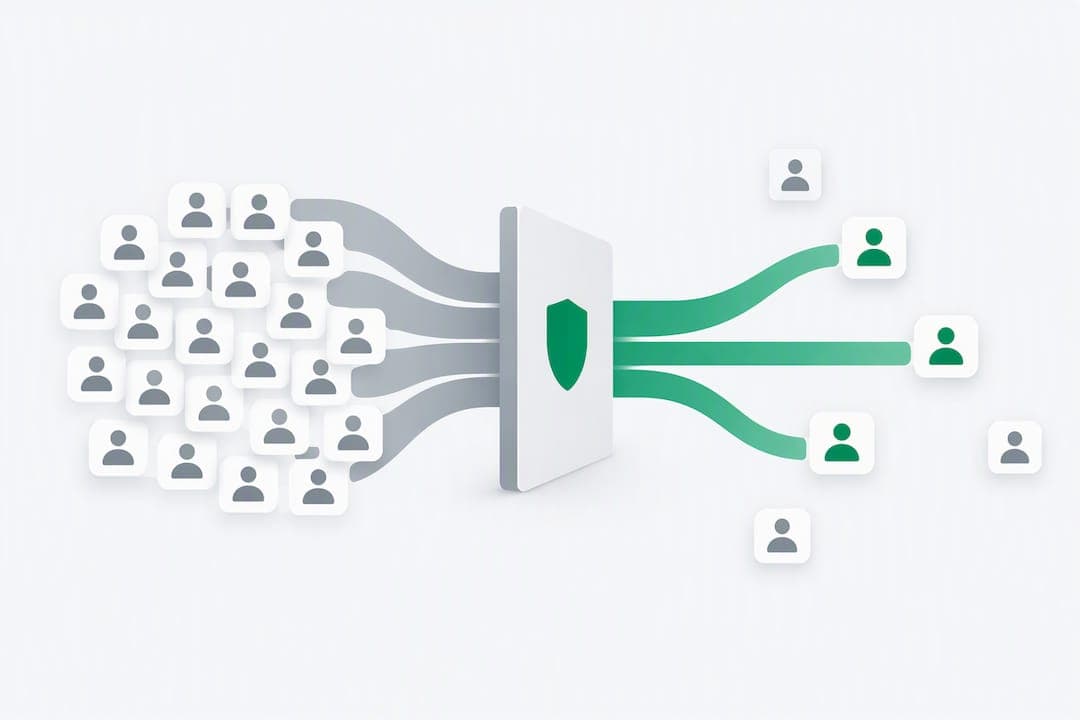
Free trials are one of the most reliable ways software, streaming, and gaming products turn a stranger into a paying customer. They also carry a built-in incentive to game them: if one free trial is good, a hundred are better, and spinning up a hundred "new" customers is about as hard as opening a hundred disposable inboxes. That is free-trial abuse: a single user, often automated, claiming the same free offer again and again behind identities built to look brand new. The short answer to preventing it: stop trusting the email and start reading the device and network behind each signup, before you hand over the free value.
Key takeaways
- Free-trial abuse is one user claiming the same free offer many times under fresh-looking identities. It quietly turns an acquisition tool into a recurring cost.
- The cost lands in three places at once: the free value given away, the bill to serve accounts that never convert, and the trial-to-paid metrics that quietly inflate once part of the funnel was never going to buy.
- Email and IP checks miss it because both are trivial to change per signup. The device and network behind the signup are what stay consistent.
- The cheapest place to stop it is at signup, before the free value is provisioned, by scoring how new a registration really is instead of reacting after the trial is already running.
- No single method is enough. Verification, device-level deduplication, gated trial value, and a risk score on the signup work together, and you choose the action for each risky one.
What is free-trial abuse?
Free-trial abuse is the practice of claiming a free offer more than the rules intend, by creating new accounts that each look like a first-time customer. The free offer can be a 14-day SaaS trial, a streaming month, in-game starter currency, or onboarding credits. The mechanic is always the same: one user, many "new" identities, each collecting the offer once so that together they collect it many times.
It shows up in two shapes that are worth telling apart, because they call for slightly different limits:
- Trial cycling: one person stretches a single product across an endless string of trials, starting over with a new inbox each time the clock runs out. It is sequential and low-volume, the patient way to never pay by hopping from one trial to the next.
- Trial farming: many trials opened in parallel from one machine, usually scripted, so the offer is harvested in bulk rather than stretched by a single patient user. It is the industrial version, and it shades into multi-accounting, the broader practice of one user running many accounts on a single service.
It also sits next to two adjacent problems that get lumped in but are not quite the same. Coupon and promo abuse recycle a discount code or referral payout rather than a free trial, and free-tier farming exploits a permanently free plan instead of a time-boxed trial. They share the root cause, one person presenting as many, so the detection approach carries over, but the limit you set differs: a trial has an expiry to cycle, a promo has a payout to claim, a free tier has a quota to multiply. The same identity layer also catches the inverse pattern, account sharing, where one trial or subscription is used across more devices and people than the plan allows, common in streaming and seat-based SaaS.
The line between abuse and an honest second look is intent and scale. A curious user who starts a second trial under a work email is not the problem worth engineering against. A single device that opens its fortieth trial this month, each under a throwaway inbox, is the free-trial fraud worth catching.
What free-trial abuse costs you
Free-trial abuse costs more than the free value itself, because each fake trial charges you three times: once for the resources it consumes, once for the support and infrastructure to serve an account that will never pay, and once for the growth metrics it quietly distorts. The damage breaks down like this:
- The free value, given away on repeat. Every recycled trial is another month of access, another block of credits, or another starter bonus handed to someone who was never going to convert. On its own each instance is small, which is exactly why it runs unnoticed until the total is large.
- The cost to serve accounts that never convert. Fake trials still consume bandwidth, storage, compute, email sends, and sometimes support tickets. For products with a real per-use cost of goods, this is where the bill climbs fastest, and the AI and API version of free-trial abuse is the sharpest example, since each farmed signup spends real compute the moment it calls the model. Stripe's 2025 analysis of first-party fraud tied 7.4 percent of signups at AI companies to suspected multi-account abuse, the same recycled-signup mechanic.
- Polluted growth metrics. This is the cost teams notice last and pay longest. When a chunk of your signups were never going to buy, the numbers a growth team steers by all read wrong: activation looks healthy, cost per signup looks cheap, and trial-to-paid conversion reads worse than reality because the denominator is padded with fake signups that could never convert. A team optimizing against that data optimizes for the wrong users, which is why free-trial abuse prevention protects the integrity of your funnel data as much as it protects the budget.
- A foothold for worse abuse. A pile of free accounts is also raw material. The same farmed identities can be pointed at referral payouts, used to scrape a product at no cost, or aged and resold, so an unguarded trial funnel becomes a supply line for the next abuse, from referral fraud to the broader registration fraud that targets any signup form.
The signals that flag a recycled trial
What exposes a recycled trial is the consistency a user cannot shake. They can pick a new email, a new IP, and a new cookie for every signup, but the machine doing the signing up, the route it takes to your servers, and the rhythm of the registrations all stay recognizable. So the useful question is never "is this one signal bad," it is "how many independent signals quietly agree this trial has been here before." The tells that carry the most weight at signup:
| What you can read at signup | Why it points to a recycled trial |
|---|---|
| The same device behind several "new" trials | one user collecting the offer many times |
A disposable or plus-addressed email (name+1@, name+2@) | a throwaway identity minted to grab one more trial |
| An anti-detect browser on the signup | a profile built to look unique per account |
| A VPN, anonymous proxy, or datacenter connection | the network cover a user routes new trials through |
| A burst of signups minutes apart from one footprint | automation, not organic demand |
| No payment method, or the same instrument reused across "different" accounts | the same hand funding many trials |
A swapped email or a rotated IP never touches the device doing the signing up, which is why reliable detection anchors on the device rather than the address. Address-based checks fail from both directions: carrier-grade NAT puts real users behind one shared IP, and residential proxies hand a user a fresh IP per account. For trials specifically, the leverage is timing: you read these signals at the registration and act before any free value changes hands.
We tested this against the tools built to defeat it. Running trial signups through anti-detect browsers with a fresh inbox behind a new IP on every attempt, the surface attributes an address-based rule reads all changed, yet the device characteristics underneath stayed recognizable enough to keep tying the trials to one origin. The spoofable layer keeps shrinking, too: in 2022 Chrome began cutting detail out of the user-agent string, so the easy attributes a farmer once leaned on carry less weight and the durable device signal carries more.
Detecting fake accounts at scale is a well-studied problem. Platforms have published methods that rank accounts by how likely they are to be fake, including the SybilRank work presented at USENIX NSDI, where roughly 90 percent of the accounts flagged as most likely fake turned out to warrant suspension. For a free trial, the practical version of that idea runs at the moment of signup and leans on the device and network rather than a social graph.
How to prevent free-trial abuse: a layered playbook
You prevent free-trial abuse by stacking a few inexpensive checks at signup rather than trusting any single one, so that defeating the system means staying consistent across every layer at once, which is hard and expensive to do at scale. No one control below is sufficient alone; together they move abuse from cheap-and-automatic to slow-and-not-worth-it.
- Verify the identity, not just the address. Email and phone verification raise the floor, and requiring a payment method on higher-value trials raises the cost of a throwaway identity further. Treat this as necessary, not sufficient: verification alone loses to disposable inboxes and plus-addressing, and a card raises friction for real users, so it is a tradeoff to tune, not a silver bullet.
- Deduplicate at the device and network layer. Tie each signup to the device and connection behind it so a swapped inbox does not register as a brand-new person. This is the layer that survives the exact changes (new email, cleared cookies, rotated IP) that defeat an address-based rule.
- Gate the value, not just the signup. Issue a limited initial trial, and unlock the rest as an account earns trust, so a recycled trial never reaches the expensive parts of the product on day one. Metering the value is often more effective than trying to perfectly block the account.
- Limit signup velocity. Rate-limit registrations per device, network, and fingerprint, so one footprint cannot open forty trials in an afternoon even if each email passes verification.
- Score the signup before you provision. Combine the signals into a single risk score at registration, and act on the risky ones, instead of discovering the pattern weeks later in a billing report. Scoring upstream is the cheapest possible place to intervene.
- Make abuse not worth the effort. You are not trying to win every round, only to make farming cost more than the free offer returns. Once the effort outweighs the payoff, a bulk pipeline stops penciling out and moves to a softer target.
The thread through all six: detection flags the risky signups, and you choose the action for each case. That is what keeps a real customer who happens to use a VPN from being treated like a farm.
Preventing free-trial abuse with ShieldLabs
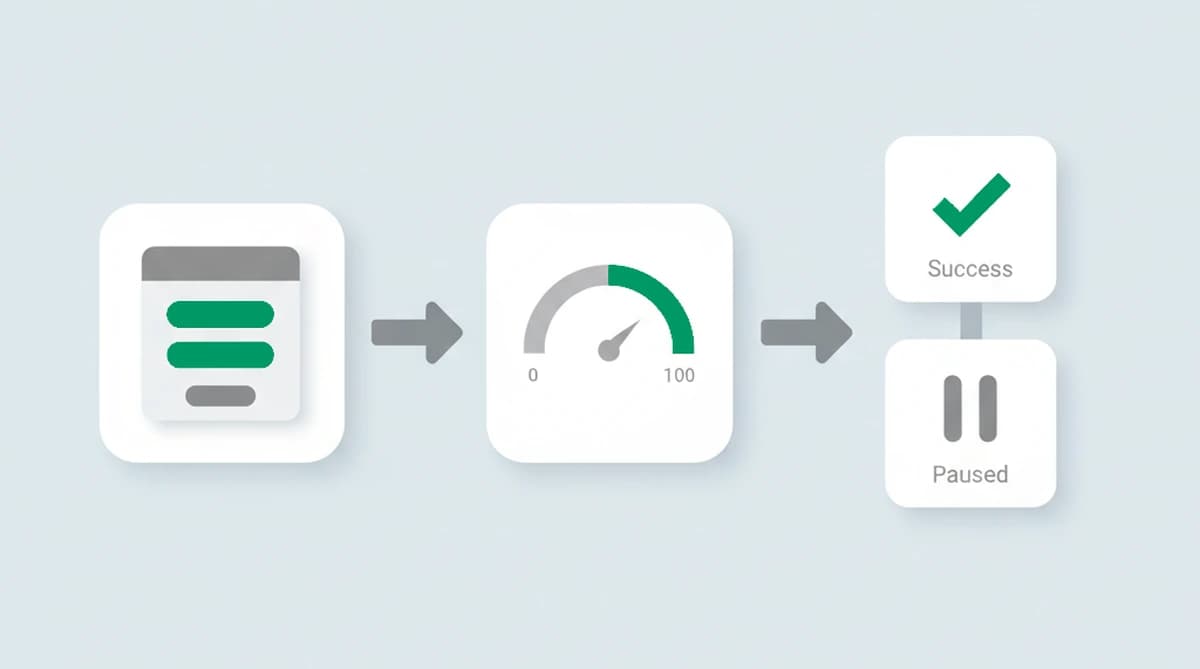
ShieldLabs runs on your signup or trial-activation page through one JavaScript snippet, and it risk-scores every visitor on the first visit, so you have a read on the person behind a registration before you provision the trial. At the center is persistent identification that ties a "fresh" signup back to a device we have seen before, even after the user switches email, clears cookies, and rotates IP, the exact disposable layers a trial farmer counts on. It does its work in the background, with no friction for a real customer.
Around that identifier, each visit returns a risk score from 0 to 100 with the 300+ risk signals behind it: an anti-detect browser, a VPN or anonymous proxy, a datacenter IP, and others. Across signups, ShieldLabs detects Multi-accounting directly as a High-Risk Event, with Medium or High confidence, showing which accounts trace back to one device, so your team can watch farmed trials as a trend in the analytics dashboard rather than chasing them one signup at a time, and tell anonymous traffic from clean traffic over time.
ShieldLabs scores every visitor, names the signals behind that score, and helps block fraudulent and abusive signups. You read the risk score, named risk signals, and High-Risk Events through the API and webhooks and choose the action for each risky trial, whether that means holding the free value for a closer look, stepping the signup up to a verification check, or waving a clean visitor straight through. Because every score comes with named signals rather than a sealed verdict, you can always say why a given signup was held. The same identity layer carries over to multi-accounting prevention and new-account fraud prevention, since the recycled trial, the duplicate account, and the farmed signup are one problem read at one layer.
Sources
- Wikipedia: Disposable email address
- Cao, Sirivianos, Yang, Pregueiro: Aiding the Detection of Fake Accounts in Large Scale Social Online Services (USENIX NSDI, 2012)
- Stripe: Analyzing first-party fraud trends: account, free-trial and refund abuse (2025)
Frequently asked questions
- Is it illegal to make multiple accounts for free trials?
- Making extra free-trial accounts is almost always a Terms of Service problem, not a criminal one. The trial offer is part of an agreement you accept at signup, and that agreement is where the limit lives, so recycling trials breaks a contract rather than a statute. The realistic consequences are civil and account-level: a service can shut the accounts down, bill for the usage it gave away, and bar future signups. It only edges toward fraud when stolen cards or stolen payouts enter the picture; by itself, opening a few extra trials is something a platform polices, not the courts.
- How do companies detect multiple accounts?
- They tie each new signup back to the device and network behind it, then check how many independent signals say it has been seen before. A fresh email, a cleared browser, and a rotated IP all change the surface, but the device behind each signup, the connection it arrives on, and the timing of the registrations stay recognizable, so accounts that look unrelated still line up. The reliable read is correlation across many signals rather than any single spoofable one, which is what fake account detection anchors on.
- Does requiring a credit card stop free-trial abuse?
- It raises the bar without closing the gap. A card filters out casual recyclers and puts a real cost on each fake identity, but committed users lean on prepaid and virtual cards, and some farms reuse a single instrument across many signups. The friction also turns away genuine prospects who are not ready to hand over card details, so it trades conversion for protection. Most teams treat a card as one signal among several rather than the check that decides a trial.
- How does ShieldLabs detect free-trial abuse?
- ShieldLabs adds one JavaScript snippet to your signup page and, on the first visit, returns a risk score from 0 to 100 with the named risk signals and persistent identification behind it. That identifier ties a fresh trial back to a device already seen even after a new email and a rotated IP, and the risk score weighs the signals so you can act on the risky signups. It detects multi-accounting directly as a High-Risk Event and helps block abusive trial signups. The free tier covers your first 5,000 identifications, enough to watch real risk scores on your own signups before you act on a single signup.
Related articles
Calculate Fraud Detection Pricing With ShieldLabs' 5,000 Free Tier
Estimate fraud detection costs with a buyer-focused pricing workbook and worked examples. Validate your projection using ShieldLabs' 5,000 free...

Fraud Teams: GDPR Fingerprinting With Explainable Signals
Operational guide for fraud teams on GDPR-compliant device fingerprinting: legal tests, explainable signal scoring, drift handling, and cross-border rules.
Stop Sybil Attacks Without KYC: Evidence-First Prevention for Marketplaces
Build an evidence-first defense for marketplace Sybil attacks: payment-weighted reputation, graph-based detection, device and anonymity signals, plus...