

The 10 best multi-accounting detection tools in 2026

Last updated on September 23, 2026 · 16 min read
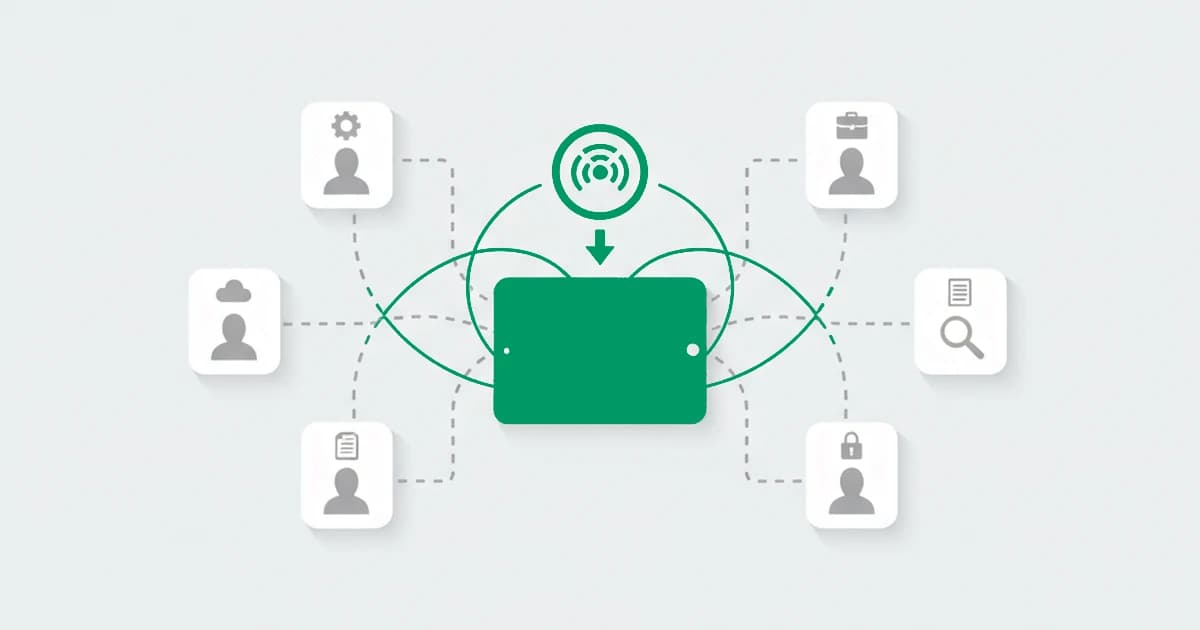
Multi-accounting has an academic name older than most of the fraud teams fighting it: the Sybil attack, described in 2002, where one actor runs many fake identities to overwhelm a system. On consumer platforms it shows up as one person opening dozens of accounts to farm signup bonuses, stack free trials, evade bans, or tilt a game, and it is hard to catch precisely because each account is made to look like a new, distinct user.
The scale is not hypothetical: in a single quarter Meta actioned 1.4 billion fake accounts and still estimates roughly 3 percent of its monthly users are fake. The only reliable way to unmask it is to find what the accounts share, most often the device and the network behind them, even when the name, email, and payment details all differ. This guide explains what multi-accounting detection is, how it works, and covers the tools across the segments below.
Key takeaways
- Multi-accounting is one person operating many accounts under different identities, the mechanism behind bonus abuse, trial farming, ban evasion, and fake-account fraud.
- Simple checks miss it because each account looks distinct; the signal that catches it is what the accounts share, usually a device or network.
- Reliable detection links accounts to a persistent device identifier that survives cleared cookies and a rotated IP, then detects multi-accounting directly.
- The market splits into platforms you can evaluate on your own traffic today and sales-led suites that bundle case management and compliance, such as identity verification and behavioral layers.
What is multi-accounting detection?
Multi-accounting detection is the practice of identifying when several accounts on a platform are controlled by the same person, despite being registered under different identities. It works by looking past the account details a fraudster can freely change, name, email, phone, payment method, to the things they cannot cheaply vary: the device they sign up from, the network they route through, and the way those accounts behave over time.
The core signal is a shared device. When ten "different" accounts all trace to one machine, that is not a coincidence, it is multi-accounting, and it is the pattern behind repeated bonus claims, stacked free trials, and ban evasion. Detection tools differ in how durably they recognize that device, how well they read anonymized connections built to hide it, and whether they detect multi-accounting for you or leave you to assemble it.
How multi-accounting detection works
Good detection reads three layers and correlates them:
- Device. A persistent device identifier links accounts back to one machine even after cleared cookies, a new browser profile, or a rotated IP. This is the single strongest multi-accounting signal, because the device outlives the disposable identity details.
- Network and anonymity. Fraudsters lean on VPNs, proxies, and anti-detect browsers to make one device look like many. A tool that names those risk signals can flag the evasion instead of being fooled by it.
- Behavior and links. Shared payment instruments, referral loops, matching addresses, and coordinated timing tie accounts together even when the device changes.
Tools that work combine all three and, importantly, return ready-made detection, not a pile of raw signals you have to correlate yourself. What separates them is durability of the device signal, depth of anonymity detection, and how much of the correlation is done for you.
We ran the same set of accounts through wiped cookies, new browser profiles, and a series of different IPs, and the device-level link was what survived: the disposable identity details reset each time, but the machine beneath them stayed recognizable with 99.9% identification accuracy, which is the whole basis for detecting multi-accounting. Anti-detect browsers exist to break that link by rewriting what a browser reports about itself, and the pressure on that trick grew in 2022, when Chrome began reducing the user-agent string and pushed detection toward deeper device and network signals that are harder to spoof than a single header.
ShieldLabs publishes this list and includes its own product. ShieldLabs is listed first because it scores highest on the criteria above: the durability of the device signal, the depth of anonymity detection, and how much of the correlation is done for you. The other tools are grouped by how you buy them and listed alphabetically within each group.
Self-serve device-intelligence tools
ShieldLabs
ShieldLabs is a platform built around exactly this problem, with enterprise-level functionality without enterprise pricing. You add one JavaScript snippet, and each visit returns persistent identification with 99.9% identification accuracy that survives cleared cookies and a rotated IP, so accounts opened from the same device stay linked. It detects four High-Risk Events out of the box, multi-accounting, account sharing, impossible travel and account takeover, each with Medium or High confidence, alongside a risk score, bot and automation detection, and the named risk signals, VPN, proxy, Tor, and anti-detect browser use, read with 99.9% risk signal detection accuracy, that disguise one device as many. ShieldLabs flags the linked accounts and helps block fraudulent and abusive traffic, and you choose whether to block, hold, or step up. Pricing is a free tier of 5,000 identifications, then plans from 79 USD a month.
ShieldLabs covers web traffic through one JavaScript snippet, with an API and webhooks on every plan. Device-based linking holds across cleared cookies, new emails, and rotated IPs; a genuinely different device on a different network is harder to link.
Best for: teams that want multi-accounting detection ready-made, with named risk signals and an explainable score they can act on.
Castle
Castle is a self-serve account-security platform with a dual-layer architecture: it runs at the Cloudflare edge and inside your app through an SDK, so signals from one sharpen the other. Its device fingerprinting claims up to 99.5 percent accuracy, and it returns three separate scores from 0 to 100 for bot, abuse, and account takeover, plus a customer-owned rules engine. Multi-accounting is an explicit use case, expressed as a rule you compose, for example counting unique users per device fingerprint over a time window. Free and Pro do not paywall signals; only rate limits, retention, and seats differ. Pricing starts free at 1,000 calls a month, then Pro at 200 USD a month.
The tradeoff is that Castle gives you the building blocks, not a finished pattern. Multi-accounting is a rule you write and tune rather than a named detection surfaced for you, the scoring leans on self-learning models, and its public review base is thin.
Best for: teams already on Cloudflare that want edge-plus-app coverage and are comfortable writing their own multi-accounting rules.
Fingerprint
Fingerprint is a self-serve device intelligence API built on the open-source FingerprintJS project, which has 27,000-plus GitHub stars. Its persistent visitor identifier recognizes the same device across many accounts even when cookies are cleared and the IP rotates, and it layers on 20-plus Smart Signals, VPN, proxy, incognito, and virtual machine among them, plus a single weighted Suspect Score. Native iOS and Android SDKs cover mobile alongside web, and it carries SOC 2 and ISO 27001 certification. The free tier includes 1,000 API calls a month plus a 14-day trial, with paid usage from 99 USD a month.
The tradeoff is that Fingerprint hands you the device signal, not the multi-accounting verdict. It returns raw signals and a Suspect Score, and one G2 reviewer notes it is not a full-feature fraud provider, so you build the account-linking logic yourself. Cost is also the most common review complaint as volume grows.
Best for: developer teams that want a durable, accurate device identifier to anchor their own multi-accounting logic and personalization.
IPQualityScore (IPQS)
IPQualityScore pairs IP reputation with email and phone validation and a device-fingerprinting layer to flag signups that share a device or route through a suspicious connection. Its VPN, proxy, Tor, and residential-proxy detection is backed by a proprietary honeypot network across many countries, and free interactive lookup tools make it easy to test before committing. A permanent free tier covers 1,000 lookups a month, with self-serve plans from 99 USD a month.
The tradeoff sits in the packaging. On the self-serve tiers you get IP, email, phone, and URL reputation, but device fingerprinting and the mobile SDK are gated to a custom Enterprise plan, so the device-intelligence layer that catches multi-accounting is not in the entry tiers. Output is a score from 0 to 100 plus raw signals, and reviewers flag a dated dashboard, so you assemble the multi-accounting pattern yourself.
Best for: teams that mainly want IP, email, and phone reputation checks at signup and treat device linking as secondary.
Rupt
Rupt is a developer-focused tool built to stop repeat trial abuse, multiple signups, and account sharing by linking activity back to one person. It leads with a persistent device identifier and a People Detection layer that uses statistical models on device behavior to estimate how many distinct humans sit behind one account, plus behavioral signals like concurrency, impossible travel, and repeat trials. A pre-built modular challenge UI, covering 2FA, phone or email verify, and conversion offers, ships end-to-end, so you write no challenge screens, and native iOS and Android SDKs cover mobile. Pricing is free up to 500 tracked users, then 299 USD a month with per-user overage above the cap.
The tradeoff is focus. Rupt centers on the account-sharing direction, one account used by many people, and treats multi-accounting, one person opening many accounts, more lightly. It returns a verdict and reasons rather than a transparent numeric score, and it names no anti-detect browser signal.
Best for: subscription SaaS, e-learning, and streaming-style products whose main pain is trial farming, repeat signups, and account sharing.
Verisoul
Verisoul is a fake-account prevention platform that layers selfie and document verification on top of device and network signals to confirm one real, unique human per account. Beyond FaceMatch, its selfie biometric, and ID Check, it offers an account-linking graph that visualizes which accounts share a device in real time, plus a no-code rule builder and an automated investigation agent. It targets gaming, ad-tech, marketplaces, and product-led SaaS, and several customers cite it as a consolidation of multiple prior tools.
The tradeoff is friction and access. Its flagship FaceMatch and ID Check require the user to take a selfie or present a document, so they are not invisible the way device linking is. The free Starter tier is dashboard-only with no API access, and every self-serve button routes to a demo, so there is no instant signup. Verisoul also returns match probabilities rather than a stable device identifier you can join in your own warehouse.
Best for: flows where proving one unique human per account matters as much as spotting a shared device, and a verification step is acceptable.
Enterprise and identity platforms
Incognia
Incognia is a device and location intelligence platform delivered mainly as a mobile SDK, linking accounts through a reinstall-proof device identifier plus proprietary location signals from GPS, Wi-Fi, Bluetooth, and cellular triangulation. That location layer lets it catch things pure device tools miss, like GPS spoofing, driver-account sharing, and ban evasion, and it powers a frictionless, zero-factor authentication angle for logins. Its customer base is in mobile-first verticals: food delivery, ride-share, P2P marketplaces, and fintech.
The tradeoff is surface and access. Incognia is mobile-SDK-first, a browser identifier only launched in 2026 and the customer base is app-centric, so it fits native apps far better than a web signup flow. Pricing is enterprise-only and volume-based, with no published tiers and every path routing to a demo rather than a self-serve trial.
Best for: mobile-first products where user location adds a strong, hard-to-spoof signal for linking accounts across resets and reinstalls.
SEON
SEON is a fraud platform that pairs device intelligence with data enrichment: it resolves an email or phone number into a wider digital footprint, social and web presence and breach history, and links accounts that share otherwise hidden attributes. It markets 900-plus signals, transparent and explainable scoring, a custom rules engine, case management, and AML tooling, and it is widely used in iGaming and fintech. The Starter tier is published at 699 USD a month for 2,500 fraud checks, with everything above that quoted by sales.
The tradeoff is cost and access at the small end. That entry price works out to roughly 28 cents per check, and past a few thousand checks a month you move into a sales-quoted Premium plan; every button on the site routes to a "speak with an expert" call rather than an instant signup. Reviewers also note a learning curve and ongoing rule calibration.
Best for: iGaming and fintech teams that want enrichment and AML workflows alongside device data and can absorb an enterprise-style sales cycle.
Sift
Sift is an enterprise fraud platform whose account-abuse coverage scores signups and actions against a large cross-network dataset, reportedly around a trillion events a year from tens of thousands of sites, to flag coordinated multi-account activity. The Sift Score is delivered through an analyst console and an embeddable API, backed by models trained on that network and, on contract, a team of trust-and-safety specialists. It serves 700-plus brands across commerce, marketplaces, fintech, and crypto.
The tradeoff is cost and opacity. There is no public pricing, no free tier, and no self-serve signup; you buy an annual enterprise contract and implementation averages around two months. Reviewers describe the model as a black box that is hard to second-guess, and note that a hundred signals firing at once can bury the one that matters, so it rewards a staffed fraud team over a small one.
Best for: larger teams that want multi-accounting coverage inside a broad, network-scale fraud platform and have the headcount to operate it.
Sumsub
Sumsub is a verification and anti-fraud platform centered on identity verification and KYC onboarding, with device fingerprinting and account-linking that flag when multiple accounts trace to one user inside a broader compliance workflow. For teams that already need document verification, liveness checks, and AML screening at signup, folding multi-accounting detection into the same platform keeps identity and abuse signals in one place.
The tradeoff is scope and fit. Sumsub is built around regulated onboarding and identity verification, so multi-accounting is one module in a broader KYC suite rather than a lightweight, developer-first device signal, and it is sold through an enterprise, sales-led motion rather than instant self-serve.
Best for: regulated platforms that want multi-accounting detection bundled with full identity verification and KYC.
How to choose
No single tool on this list is the universal answer, and many teams end up layering two: a device-intelligence signal for the common case, and a broader platform or verification step for organized rings. Start from your own threat model and how much you want done for you.
Three questions decide most of it. First, do you want multi-accounting detected for you out of the box, or a raw identifier to build your own rules on? A tool with ready-made multi-accounting detection saves your team from writing correlation logic; one that returns a device identifier or a set of signals expects you to build the linking rules yourself. Second, is your surface web or mobile? A JavaScript-first tool and a mobile-SDK-first tool are genuinely different fits, and a product that lives in a native app has different needs than a web signup flow. Third, how deep does the anonymity detection go? Evasion leans on VPNs, proxies, and anti-detect browsers, so a tool that cannot see those will be fooled by exactly the tactics multi-accounting depends on.
Match those answers to the entries above. If your problem is everyday bonus, trial, or signup abuse on the web, a device-intelligence platform you can evaluate on your own traffic today covers most of it quickly. If you face organized fraud using verified identities, real KYC or a consortium-scale platform earns its cost. If your product is a native mobile app, a location- or SDK-first vendor may link accounts your web stack cannot.
Sources
- Wikipedia: Sybil attack
- Wikipedia: Sock puppet account
- Wikipedia: Device fingerprint
- Meta: Community Standards Enforcement Report, Fake Accounts
Frequently asked questions
- What is multi-accounting?
- Multi-accounting is one person creating or operating multiple accounts on a platform under different identities, usually to break the rules: claiming a first-time bonus repeatedly, stacking free trials, evading a ban, or gaining an unfair edge in a game. It is the most common mechanism behind bonus and promo abuse, and it is hard to catch because each account is built to look like a separate, legitimate user.
- How do you detect multiple accounts by one person?
- By finding what the accounts share rather than what they show. The strongest signal is a shared device, linked with a persistent device identifier that survives cleared cookies and rotated IPs, followed by network and risk signals like VPN and anti-detect browser use, and behavioral links such as shared payment methods or matching timing. No single check is conclusive, so detection tools correlate several signals to surface a pattern.
- Can you detect multi-accounting across different devices?
- Partly. Device-based detection is strongest when many accounts share one device, which is the most common case. When a fraudster uses genuinely different devices, detection leans on network signals, shared payment or contact details, behavioral patterns, and anonymity flags to link them, which is harder and less certain. This is why tools that hold up combine device, network, and behavioral layers rather than relying on the device alone.
- What is the best multi-accounting detection tool for a small team?
- A device-intelligence platform you can evaluate on your own traffic, with a free tier, is usually the right starting point, because it can be integrated and tested without a sales process and catches the most common case of multi-accounting. ShieldLabs offers enterprise-level functionality without enterprise pricing that any team can start on, and Fingerprint, Castle, and Rupt also have free tiers; the right pick depends on whether you want multi-accounting detection ready-made, a raw device identifier, a rules engine, or a trial-abuse focus.
- Does ShieldLabs detect multi-accounting?
- Yes. ShieldLabs detects four High-Risk Events out of the box, multi-accounting, account sharing, impossible travel and account takeover, linking accounts back through persistent identification with 99.9% identification accuracy that survives cleared cookies and a rotated IP, alongside named risk signals, bot and automation detection, and a risk score. It flags the linked accounts with the evidence and helps stop multi-accounting abuse, and you choose the action for each case. Pricing is a free tier of 5,000 identifications, then plans from 79 USD a month.
Related articles

Calculate Fraud Detection Pricing With ShieldLabs' 5,000 Free Tier
Estimate fraud detection costs with a buyer-focused pricing workbook and worked examples. Validate your projection using ShieldLabs' 5,000 free...

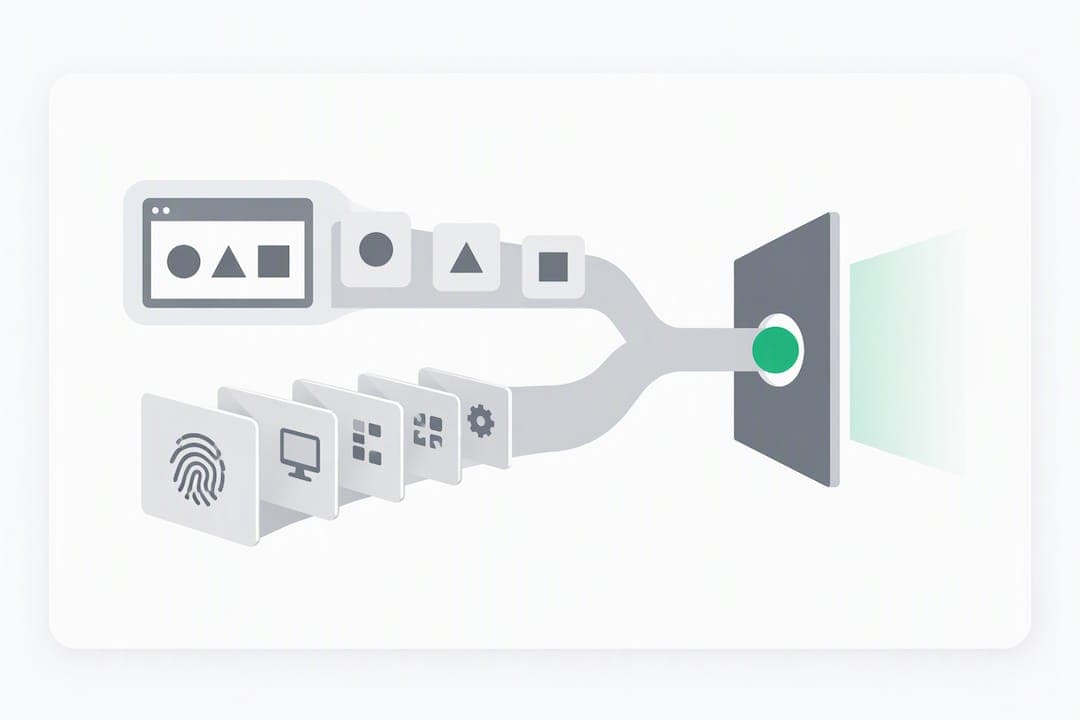
Map JA3/JA4 to Endpoints: CAPTCHA vs Device Fingerprinting for Teams
Practical, implementation-first guidance for fraud and security teams. Map JA3/JA4, client hints, WebGL and behavioral signals to endpoints, and trigger...
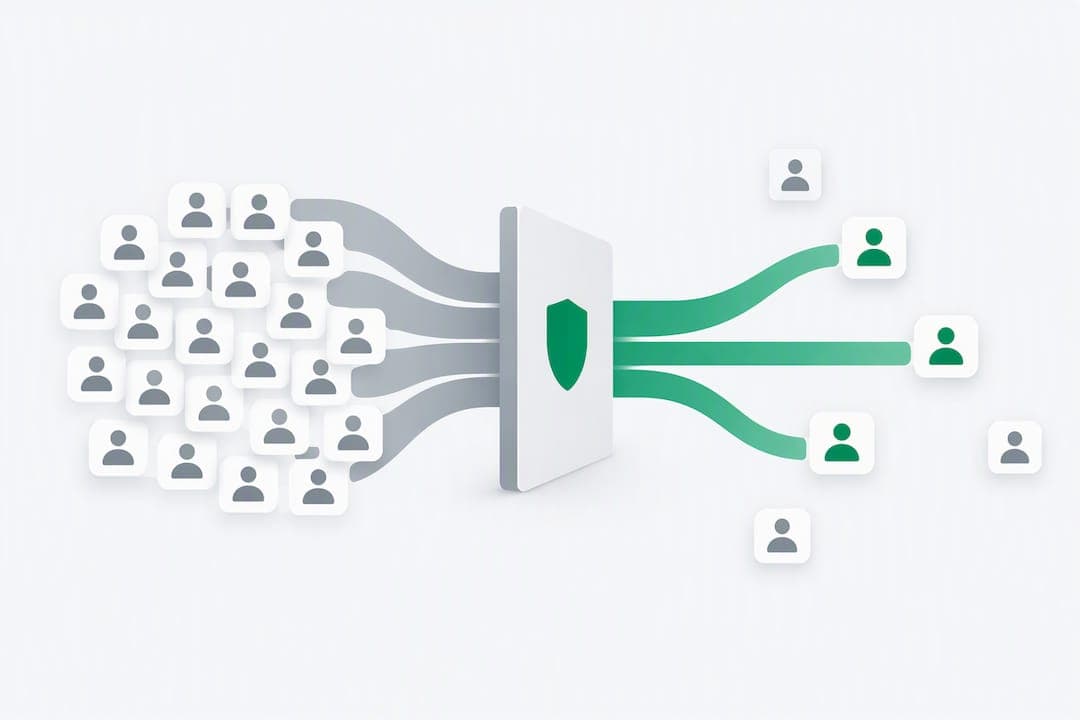
Stop Sybil Attacks Without KYC: Evidence-First Prevention for Marketplaces
Build an evidence-first defense for marketplace Sybil attacks: payment-weighted reputation, graph-based detection, device and anonymity signals, plus...