


How to stop multi-accounting in online gambling: sportsbooks, poker, and casinos
How to stop multi-accounting in online gambling: why players open multiple betting accounts, the signals that link them to one person, and an operator playbook.
Blog / Detection
How to stop multi-accounting in online gambling: why players open multiple betting accounts, the signals that link them to one person, and an operator playbook.
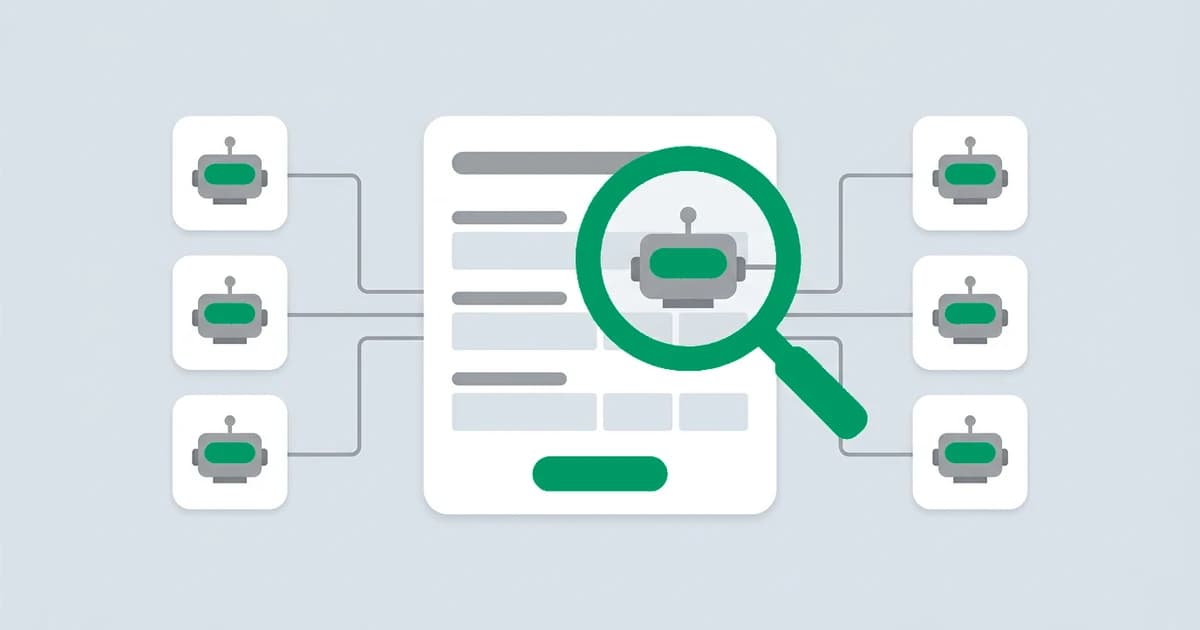
How to detect betting bots: the five kinds operators face, the device, network, and timing signals that expose them, and how to stop bot-driven abuse.
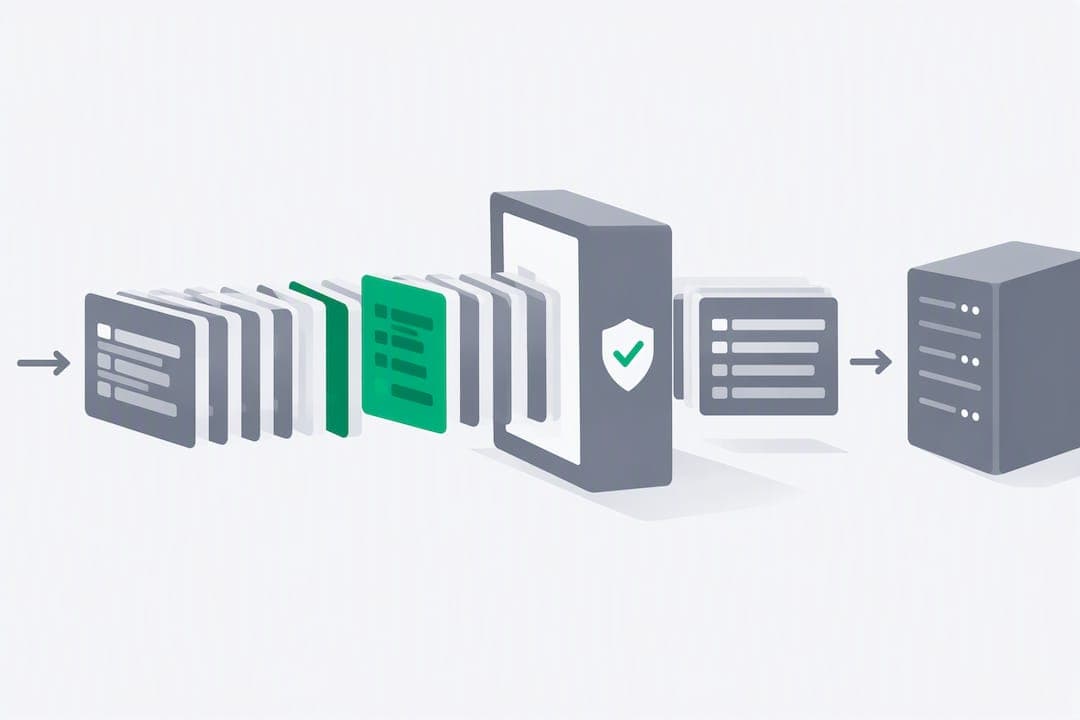
How HTTP headers, TLS JA4 and HTTP/2 frame fingerprints differ, including what must be captured after TLS termination and where ShieldLabs fits.

A five-stage referral fraud workflow combining device linkage, Multi-accounting detection and payout controls without treating one signal as proof.

How device and network signals reveal linked accounts, and how ShieldLabs detects Multi-accounting as a High-Risk Event with clear evidence.
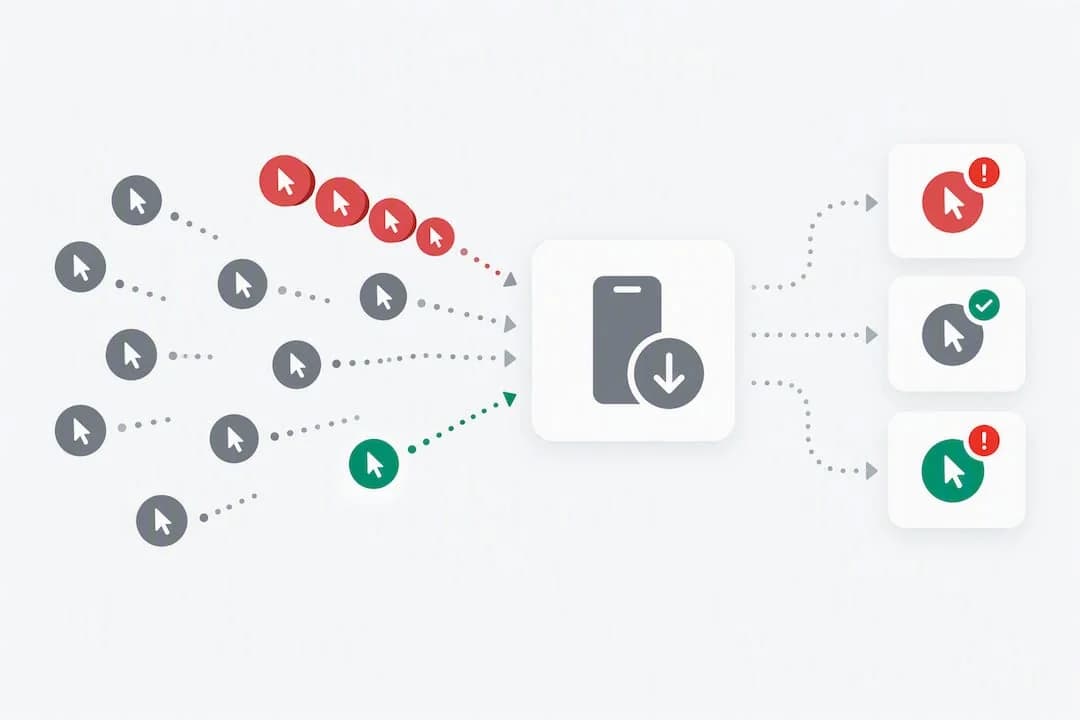
Operational playbook for marketers and fraud analysts: three checks, CTIT, conversion baselines and device fingerprints, to detect click spamming early.

Capture deposit to withdraw events, prioritise persistent visitor IDs and cohort signals, and score bonus claims in real time to stop abuse.
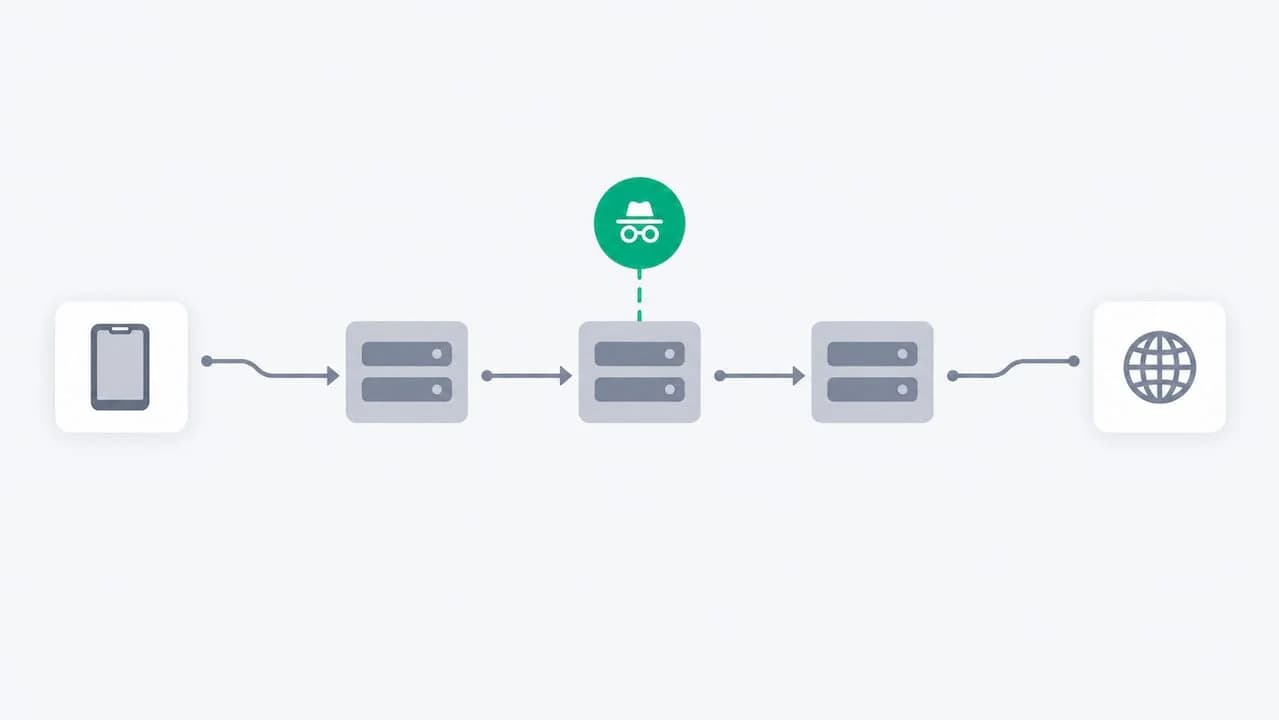
Ops guide to detecting Apple Private Relay. Learn three detection techniques, when to return NXDOMAIN, and fraud safe rules for teams.

Research backed playbook for fraud teams: five low latency checks to spot anti detect browsers, signal to score mapping, and a ShieldLabs setup path.

Detect free trial abuse without blocking real users. Use auditable signals, progressive friction, and metrics to protect conversion.

Practitioner guide to fake signup detection: build a four stage risk funnel and use persistent visitor IDs and auditable signals to cut fake accounts.
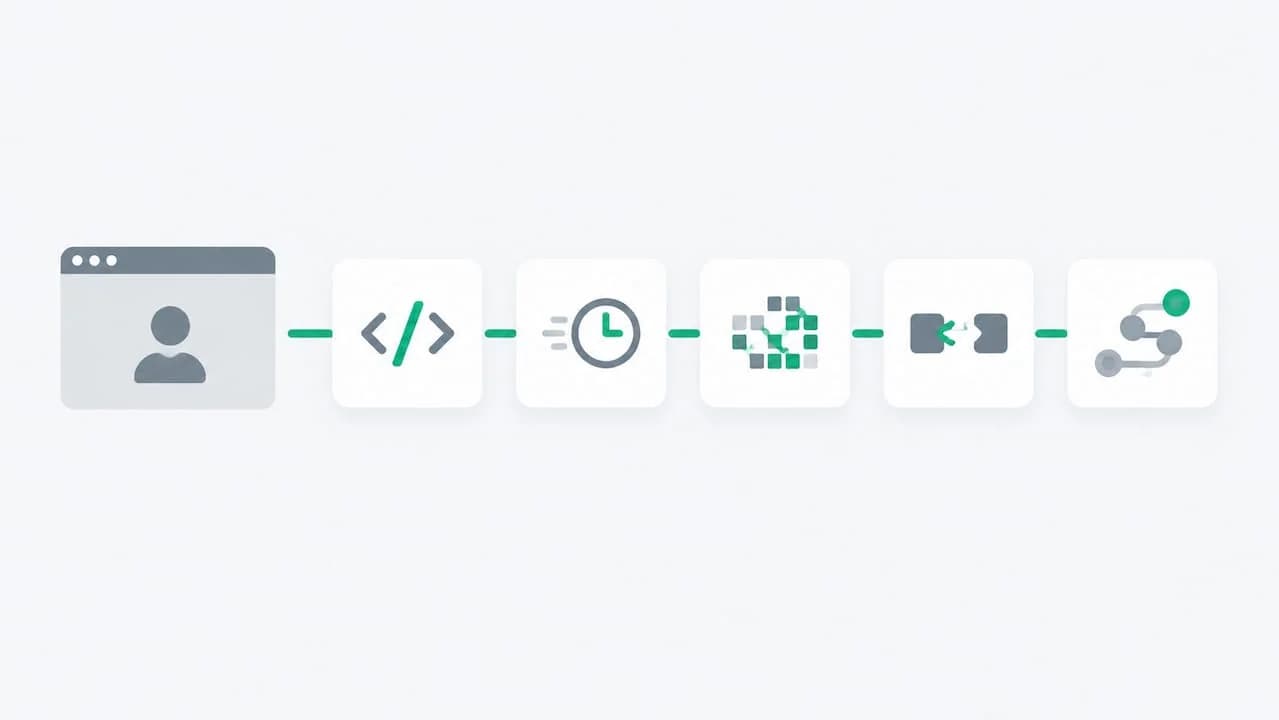
Developer-first playbook for Selenium detection across five signal groups: JavaScript flags, CDP artifacts, rendering, network, and behavior.

