

Operators: Persistent IDs for Bonus Abuse Detection in 24–72 Hours


Last updated on September 21, 2026 · 11 min read
Bonus abuse detection means identifying which deposit, wager, and withdrawal patterns indicate a player is exploiting promotional terms rather than gambling for entertainment. The single highest priority for 2026 is instrumenting the full deposit→wager→withdraw event stream and applying device and account-linking signals at the moment a bonus is claimed, not after the withdrawal request. Everything else, from thresholds to appeals workflows, builds on that foundation.
TL;DR:
- Bonus abuse detection must instrument deposit, claim, wager, and withdrawal events in real time at the moment of bonus claim, not after withdrawal requests.
- Signals combining persistent device fingerprinting, velocity metrics, network anomalies, behavioral patterns, and overlap indicators effectively distinguish abuse from legitimate play.
- Connecting device, network, and behavioral signals to a risk score allows operators to automate low-risk cases and escalate higher-risk claims for manual review.
- Cohort-level analysis of deposit-to-withdrawal timing reveals patterns of scale abuse, with 24 to 72 hours being the critical window for recovery and containment.
- Operators require comprehensive documentation of detection logic, thresholds, and appeal processes aligned with regulator expectations to withstand audits and disputes.
Table of Contents
- What Bonus Abuse Detection Actually Covers
- The Signals That Actually Separate Abuse From Normal Play
- Combining Signals Into a Working Detection Stack
- Building the Operational Playbook: Events, Thresholds, and Workflows
- Watching Cohorts, Not Just Individual Accounts
- What Regulators Expect to See in an Audit
- Where ShieldLabs Fits Into the Detection Layer
- Prioritizing Detection Without Wrecking Conversion
- Getting the Signals Your Stack Is Missing
- Sources
- FAQ
What Bonus Abuse Detection Actually Covers
Bonus abuse detection has to account for several distinct attack modes, because treating them as one problem produces weak rules. Bonus hunting describes players who chase expected-value gaps in wagering requirements across multiple operators, often legally but at scale. Multi-accounting involves one person or syndicate opening dozens of accounts to claim the same welcome offer repeatedly. Welcome-bonus exploitation targets first-deposit matches with minimal wagering intent. Wagering circumvention uses low-volatility bets or opposite-outcome betting across linked accounts to clear requirements without real risk.
Syndicates scale these attacks with scripts, device farms, and rented residential proxies, turning a one-person exploit into hundreds of accounts overnight. To tell across nearly all of them is a compressed lifecycle: deposit, claim, wager just enough to clear, withdraw fast.
- Bonus hunting: cross-operator arbitrage on wagering terms
- Multi-accounting: duplicate identities claiming one offer repeatedly
- Wagering circumvention: low-risk bets or linked-account hedging
- Welcome-bonus exploitation: minimal play, immediate cash-out intent
The Signals That Actually Separate Abuse From Normal Play
No single flag proves bonus abuse. Fraud analysts describe it as a combination of subtle behavioral indicators, including inconsistent session timing, abnormal bonus usage patterns, and game selection optimized for low house edge rather than entertainment. The signal stack that works combines five categories:
- Persistent device fingerprinting and visitor IDs that survive cookie clearing, incognito mode, and IP rotation
- Velocity metrics: accounts per device, bonus claims per device, and session timing clustered around promotional launches
- Network anomalies: VPN, proxy, Tor, Apple Private Relay, and residential-proxy indicators that mask a device's true origin
- Behavioral signals: wagering concentrated on low-volatility games, unusually fast time-to-withdraw, and bet sizing that hedges risk rather than seeking payout.
- Overlap signals: shared payment methods, phone numbers, or addresses across accounts that claim as though unrelated
Statistic Callout: Device-level fingerprinting and velocity monitoring catch multi-accounting even when players rotate IPs and burn disposable emails, which is why identity verification alone consistently misses the majority of repeat claimants.
Network signals deserve particular weight because anti-detect browser detection catches what IP blocklists cannot. A player rotating through consumer VPNs looks different from one running a browser configured to spoof a fresh fingerprint on every session, and a signal stack that only checks IP reputation will miss the second group entirely.
Combining Signals Into a Working Detection Stack
Individual signals produce noise. The value comes from correlating device intelligence, network anomalies, and behavioral data into one risk score that a review team can act on without drowning in false alerts. Persistent device and visitor identification forms the backbone, since it is the one signal type that survives the account resets and cookie clearing that abuse rings rely on.
Explainable scoring matters as much as detection accuracy. A score with no visible reasoning behind it is a liability during a regulatory audit or a customer appeal. Every risk decision needs the underlying signals attached, not just a number.
- Device intelligence and persistent visitor IDs to link accounts across resets
- Risk scores that expose the specific signals behind each verdict
- Machine learning models trained to surface multi-signal correlations humans would miss in isolation
- Velocity engines and cross-account correlation to flag device or payment clusters in real time
AI and machine learning do not replace manual review in this workflow; they cut the volume of cases a human analyst has to look at by surfacing the highest-confidence patterns first. That distinction matters when staffing a risk team, because the goal is a smaller, sharper review queue rather than full automation.
Pro Tip: Weight device and network signals more heavily than self-reported KYC data during the claim step. Identity documents confirm who someone says they are; they say nothing about how many other accounts share that same device.
A tool can supply the persistent identification and anti-detect browser detection this stack depends on, feeding a risk score with its underlying signals into whatever decision logic your own systems run.
Building the Operational Playbook: Events, Thresholds, and Workflows
Detection is only as good as the events you capture. Operators should instrument deposit timestamp, bonus claim timestamp, wagering activity by game category, bonus clearance timestamp, and withdrawal request timestamp as a live event stream, because batch processing overnight misses the window where intervention still matters.
- Capture every lifecycle event in real time, not in a daily batch job
- Score each claim at the moment of request, using device, network, and velocity signals available immediately
- Route by tier: low-risk claims process automatically, mid-risk claims trigger a review hold, high-risk claims block pending manual investigation
- Log the decision rationale alongside the event, including which signals drove the score
- Run a documented appeals workflow with a defined evidence window for disputed holds
| Threshold Tier | Example Trigger | Response |
|---|---|---|
| Soft (review) | Single device linked to 2 to 3 accounts, or moderate VPN signal | Flag for analyst queue, allow play to continue |
| Hard (hold) | Device/payment overlap across 4 or more accounts, withdrawal inside the 24 to 72 hour window | Hold withdrawal, request manual review |
| Critical (block) | Confirmed anti-detect browser signal plus shared payment method across a claim cluster | Block payout pending investigation, escalate to fraud team |
The 24 to 72 hour window after bonus clearance is the highest-signal stretch of the entire cycle, and it is where your hold tier should concentrate review capacity.
Watching Cohorts, Not Just Individual Accounts
Individual-account review misses coordinated abuse that only shows up at the cohort level. Plotting the distribution of time between deposit and withdrawal for an entire bonus cohort typically reveals a sharp spike between 24 and 72 hours when a promotion is being exploited at scale, a pattern invisible when you review claims one at a time.
- Plot deposit-to-withdrawal distributions per bonus cohort, watching for the 24 to 72 hour spike
- Calculate bonus-funded GGR leakage against total promotional spend monthly
- Track false-positive rate against retention impact, not detection volume alone
- Recalibrate thresholds on a 60-day cadence as new cohorts complete their lifecycle
Statistic Callout: Operators without dedicated detection logic lose a measurable share of bonus-funded gross gaming revenue to abuse, while cohort-based detection with device and behavioral signals can push that leakage below 2 percent. Recovery rates on holds executed inside the 72-hour window run 60 to 80 percent, against a fraction of that once funds have already cleared to an external account.
Bonus-design changes and detection work best together, not as substitutes for each other. Tightening wagering multipliers or adding max-bet caps reduces exposure at the source, while detection catches what design alone cannot close.
What Regulators Expect to See in an Audit
UKGC and MGA guidance both point toward the same expectation: operators need documented detection logic and a documented appeals process for promotional offers, not an ad hoc judgment call made after a player complains. Vague or post hoc enforcement, where a hold decision cannot be traced back to a specific signal or rule, tends to fail scrutiny during a license review.
- Event logs covering the full deposit-to-withdrawal cycle for every flagged account
- Decision rationale showing which signals produced each risk score
- Appeal transcripts and outcomes tied to a defined evidence window, often around 14 days
- Threshold documentation showing when and why review tiers changed
Records that connect a hold to a specific device signal or velocity threshold hold up far better under audit than a note that simply says the account "looked suspicious."
Where ShieldLabs Fits Into the Detection Layer
Some detection layers feed this entire playbook, not the decision engine itself. They identify visitors and returning devices with risk scores and underlying signals attached to every visit.
- Coverage across VPNs, proxies, Tor, Apple Private Relay, datacenter ranges, and anti-detect browser detection
- Persistent visitor identification linking bonus claims across account resets and device changes
- Explainable scores, with every contributing signal returned alongside the number
- Integration via commonly used web scripts and server-side SDKs for backend signal capture
The final call on whether to hold, block, or clear a withdrawal stays inside your own risk logic. Shieldlabs supplies the visitor identification and anonymity signals your team acts on.
Prioritizing Detection Without Wrecking Conversion
Closing the largest leakage vectors is worth a small hit to conversion. Instrument signal quality before you automate any block, then spend 60 days tuning thresholds while watching what false positives do to retention before tightening further.
— Jeff
Getting the Signals Your Stack Is Missing
Most risk teams already run rules against payment data and identity documents. What they're usually missing is the device and network layer: the signals that catch a player rotating through anti-detect browser configurations or claiming from behind a residential proxy before the withdrawal request ever hits a manual queue. Shieldlabs fills that gap as a self-serve platform with published pricing starting with a free tier for up to 5,000 identifications, no card required, then $79, $319, and $799 a month as volume scales, with every plan getting the full signal set rather than gating anti-detect and Tor detection behind an enterprise contract.
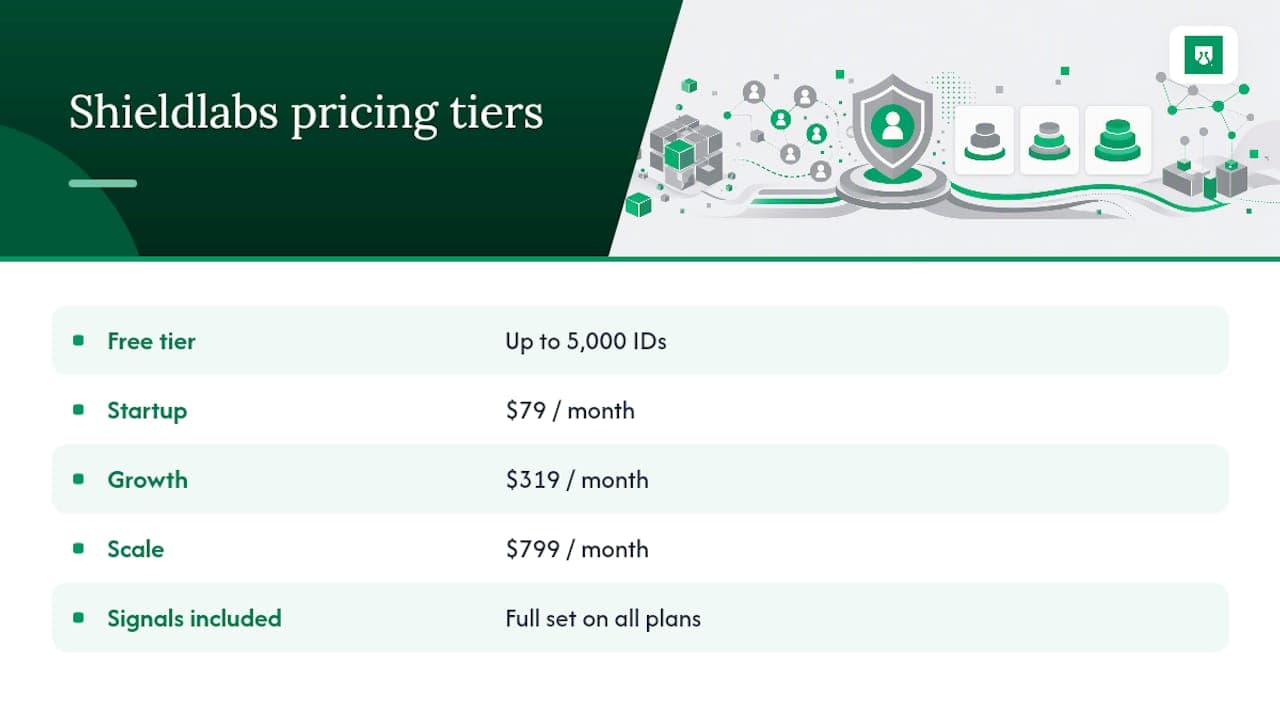
Setup runs through one JavaScript snippet with framework guides for React, Next.js, and others, plus server-side SDKs for Node.js, Python, Go, and PHP. Check the bonus abuse prevention solution page and run a sandbox integration against a live promotion this week to see what your current stack has been missing.
Sources
- Bonus abuse: Understanding one of iGaming's biggest problems
- In-depth guide to preventing iGaming bonus abuse: 2026 edition | Sumsub
- Managing criminal risk, bonus and promotional offers — UKGC
FAQ
What Is Bonus Abuse Detection?
Bonus abuse detection is the process of identifying deposit, wagering, and withdrawal patterns that indicate a player is exploiting promotional terms rather than gambling normally. It combines device fingerprinting, network signals, and behavioral analytics rather than relying on any single flag.
How Long Does It Take For Bonus Abuse To Show Up In The Data?
Most abusive cohorts withdraw within 24 to 72 hours of bonus clearance, which makes that window the highest-signal stretch of the entire player lifecycle. Holds executed inside that window recover funds at a far higher rate than holds placed after payout.
Can KYC Alone Stop Bonus Abuse?
No. A majority of bonus abuse occurs after onboarding, using synthetic identities or stolen credentials that pass identity checks. Device and behavioral signals catch what document verification misses.
What Does ShieldLabs Cost For A Bonus Abuse Detection Setup?
Shieldlabs publishes flat pricing starting with a free tier for up to 5,000 identifications, then $79, $319, and $799 per month as volume grows, all listed on the pricing page. Every plan includes the full anonymity signal set rather than gating features behind higher tiers.
What Should A Bonus Threshold Policy Include?
A documented policy needs soft, hard, and critical tiers tied to specific signals, such as device overlap count or withdrawal timing, plus a defined appeal evidence window. Regulators including the UKGC expect this documentation to exist before a dispute arises, not after.
Recommended
Related articles
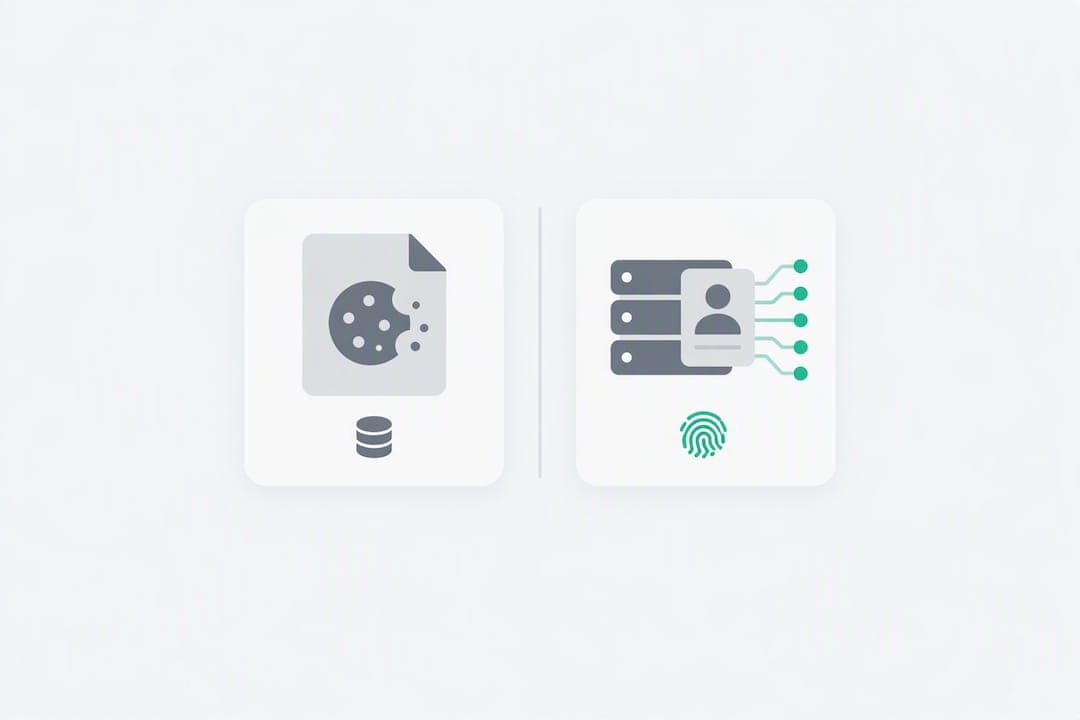
100+ Signals, 99% Accuracy: Fingerprinting vs Cookies for Fraud Teams
How cookies differ from server-side fingerprinting, why many "cookieless" claims mislead, and practical steps developers and fraud teams can use to stay...

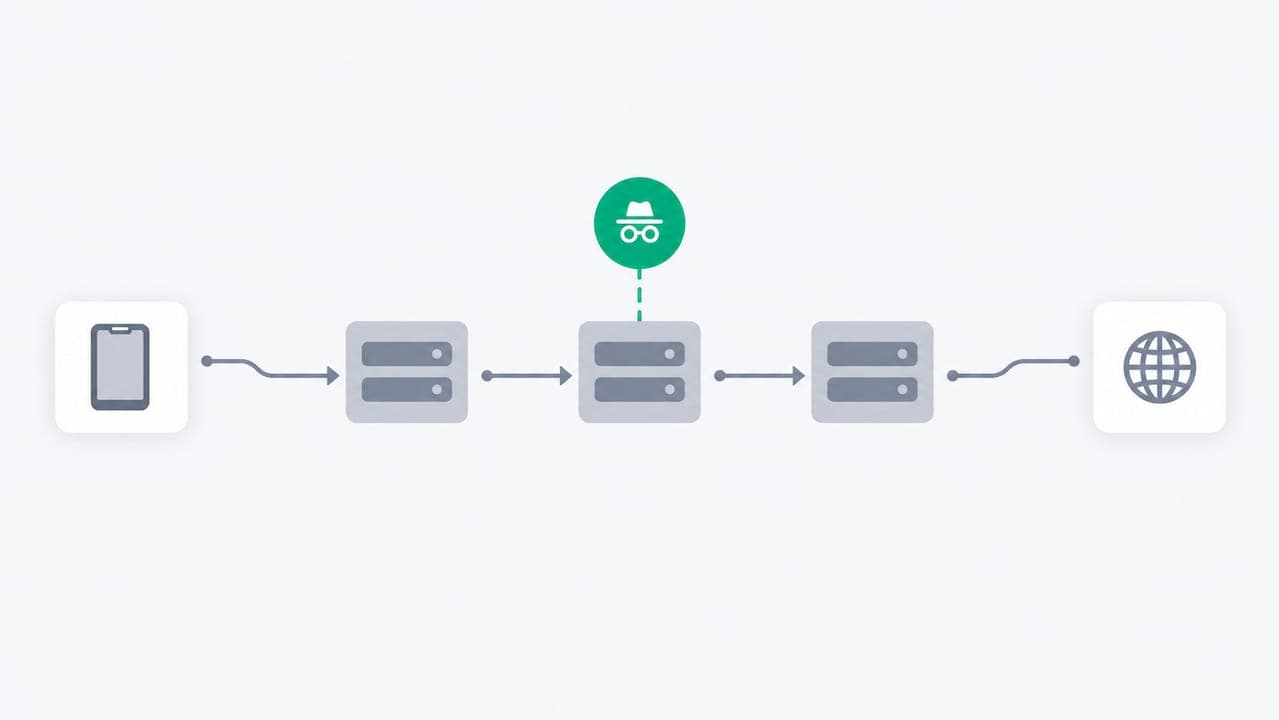
Stop False Positives: Apple Private Relay Detection for IT & Fraud Ops
Ops guide to detecting Apple Private Relay. Learn three detection techniques, when to return NXDOMAIN, and fraud safe rules for teams.
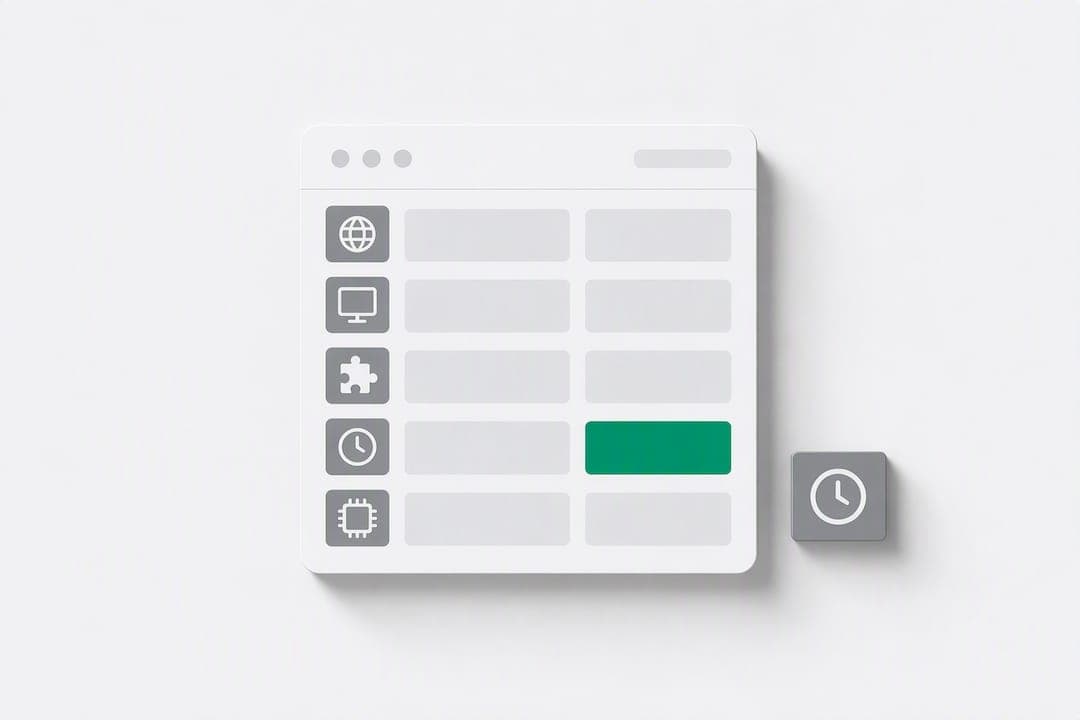
5 Low Latency Checks to Detect Anti Detect Browsers for Fraud Teams
Research backed playbook for fraud teams: five low latency checks to spot anti detect browsers, signal to score mapping, and a ShieldLabs setup path.