


Measure First: Reduce False Positives, Keep Coverage for Fraud Ops
Playbook for fraud teams: measure rule-level false positives, run shadow tests and regression checks, then add visitor ID signals to cut noise.
Blog / Detection
Playbook for fraud teams: measure rule-level false positives, run shadow tests and regression checks, then add visitor ID signals to cut noise.
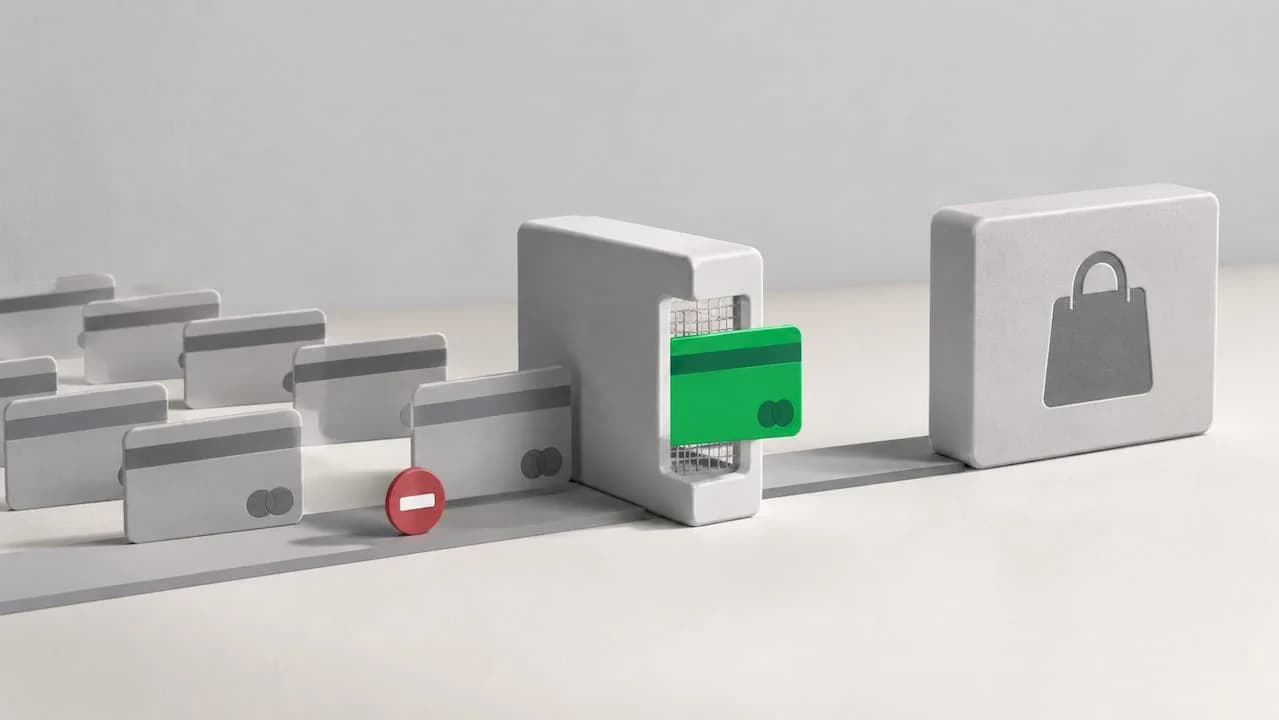
Operations first playbook to detect card testing: five signals and controls to stop cash out. With ShieldLabs' 5,000 free IDs (one time).
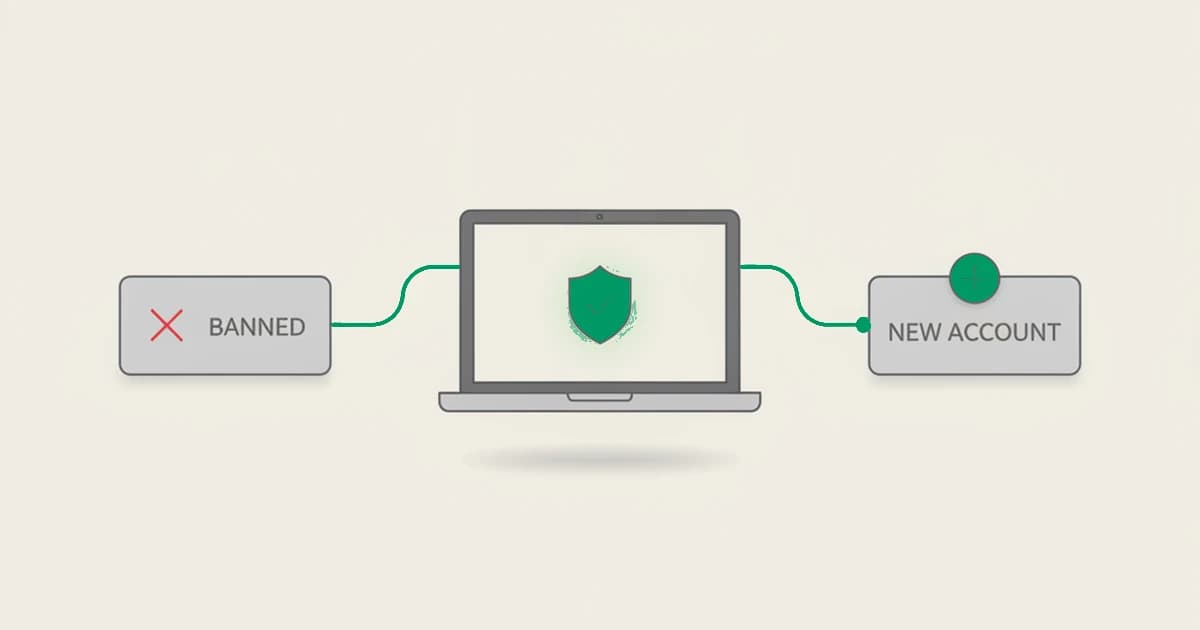
A device ban makes a ban stick to the device, not the account, so a banned user cannot walk back in under a fresh email. How it works and how to build it.

What a click farm is, how phone farms mass-produce fake installs, signups, and clicks, and how the devices behind that activity cluster back to one operation.
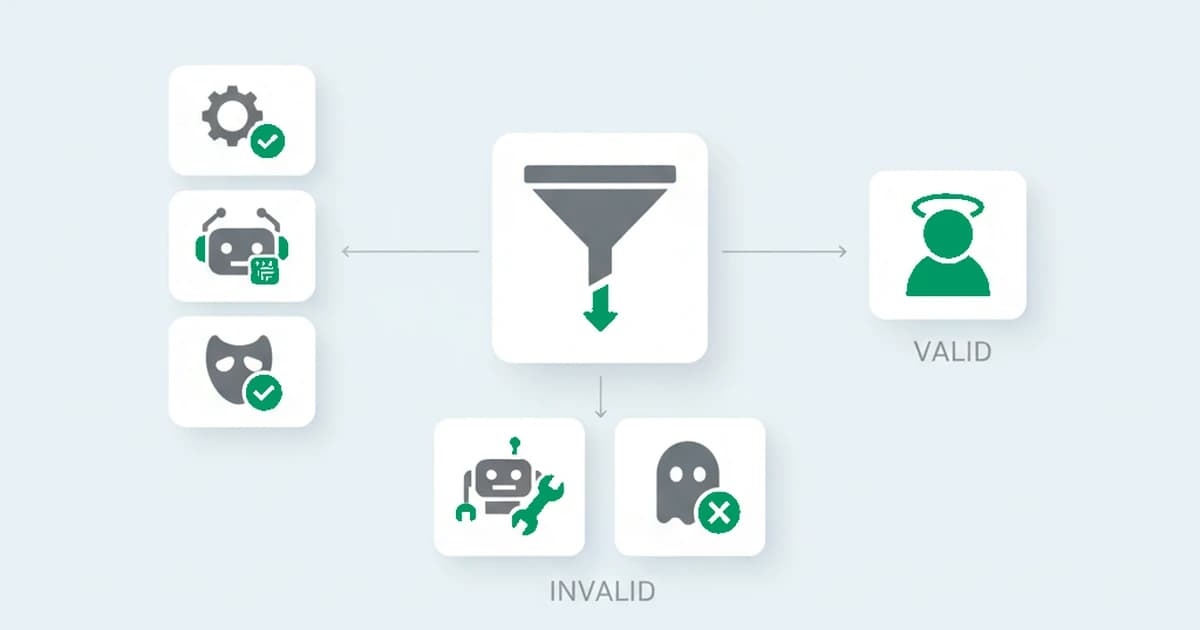
How to detect invalid traffic (IVT): the GIVT vs SIVT split, what causes it, and the signals advertisers use to catch the traffic draining ad budgets.

Account recovery fraud is how attackers bypass strong login by abusing the reset flow. How it works, why recovery is the weak point, and how to defend it.
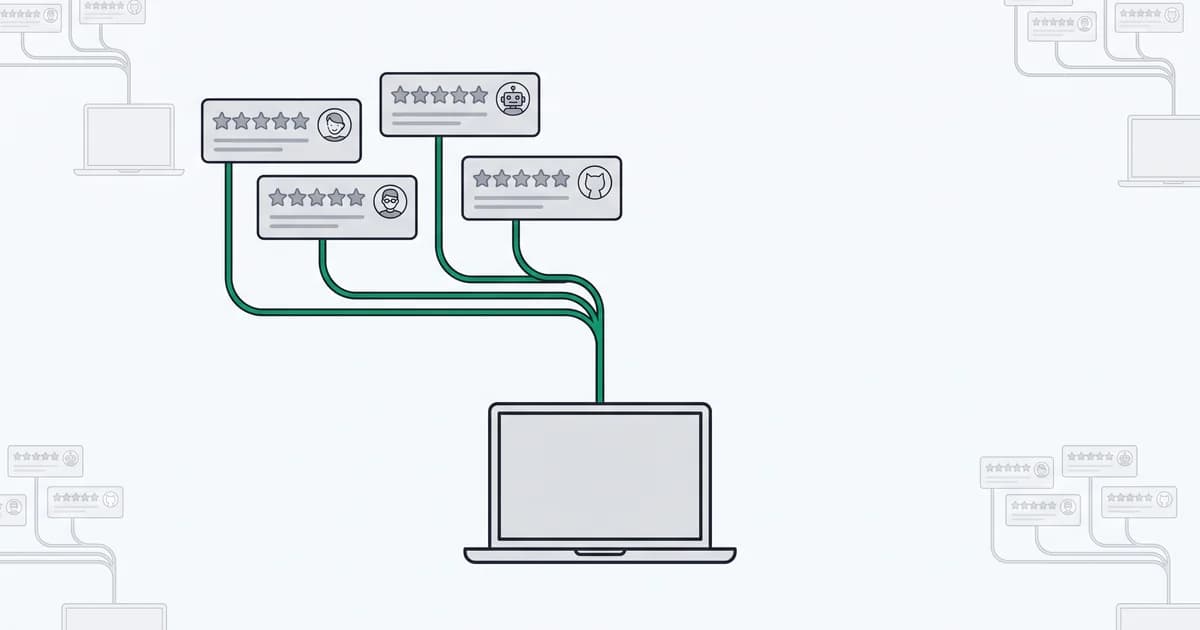
What review fraud is, the main types of fake reviews, why the text alone won't catch them, and how the device behind a review ring gives it away.
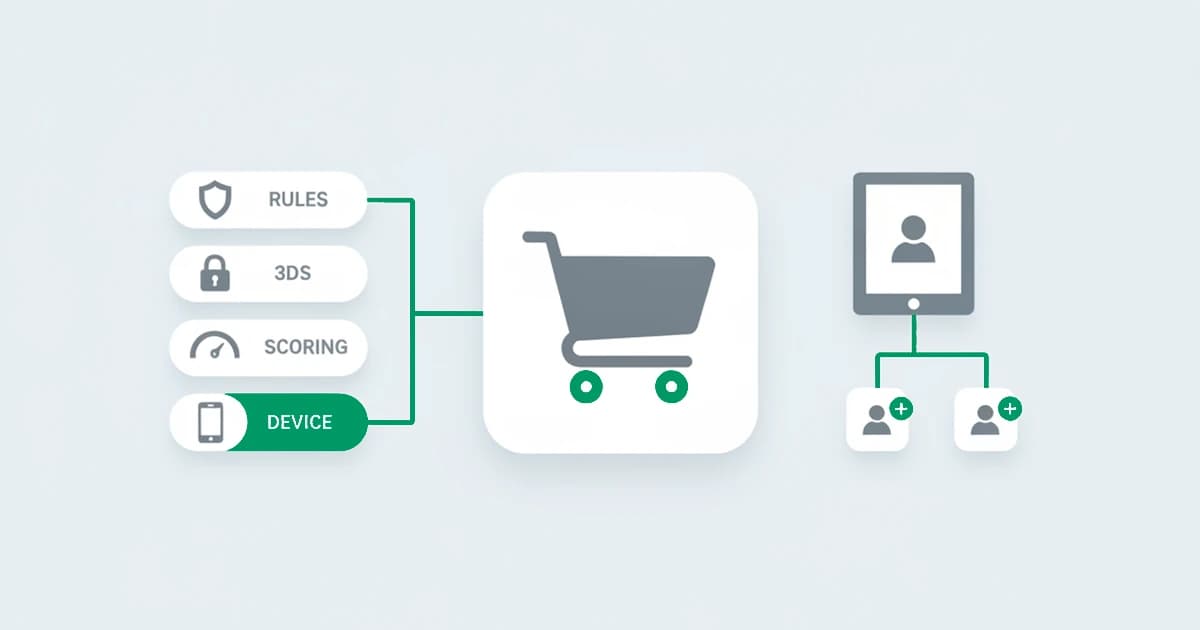
How payment gateway fraud detection works, layer by layer, what each layer catches and misses, and where reading the device behind the checkout fits in.
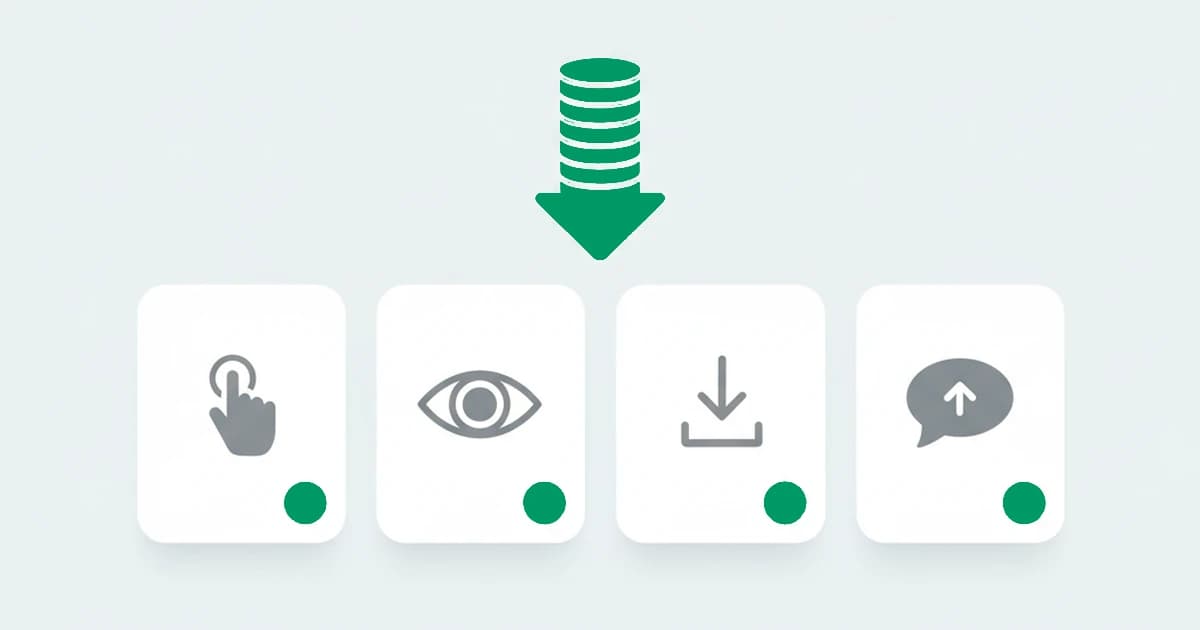
How to detect ad fraud: the fake clicks, impressions, installs, and leads that drain ad budgets, what each type costs, and the signals that catch them.
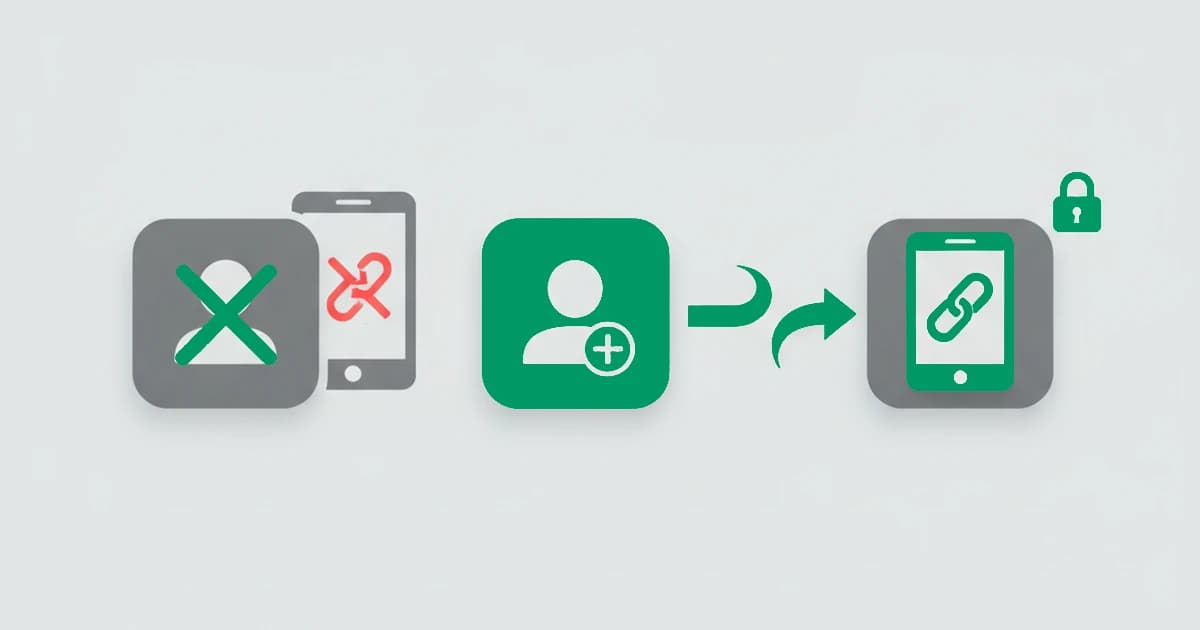
How ban evasion detection works: why account-only bans fail, and the signals that re-identify a returning banned user behind a brand-new signup.
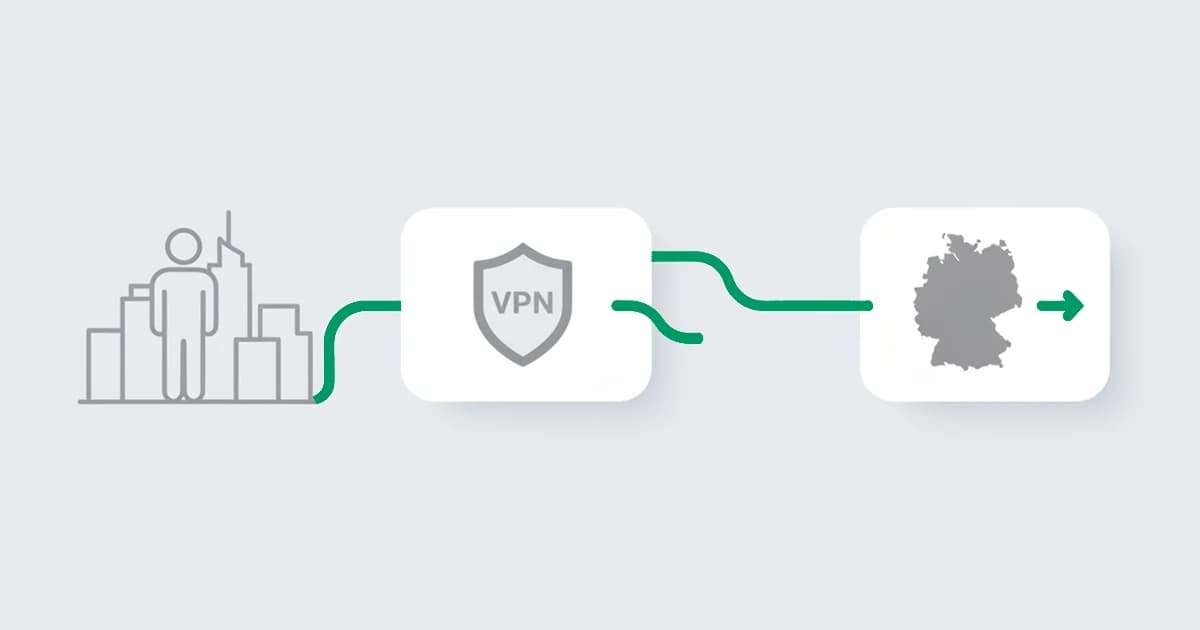
How to detect geolocation spoofing: how it works, why a single IP check fails, and how layered signals expose the mismatch so your team can prevent fraud.

Anti-fingerprint browsers spoof canvas, WebGL, fonts, and TLS to break recognition. How to detect them in 2026, and the tells they leave behind.


