

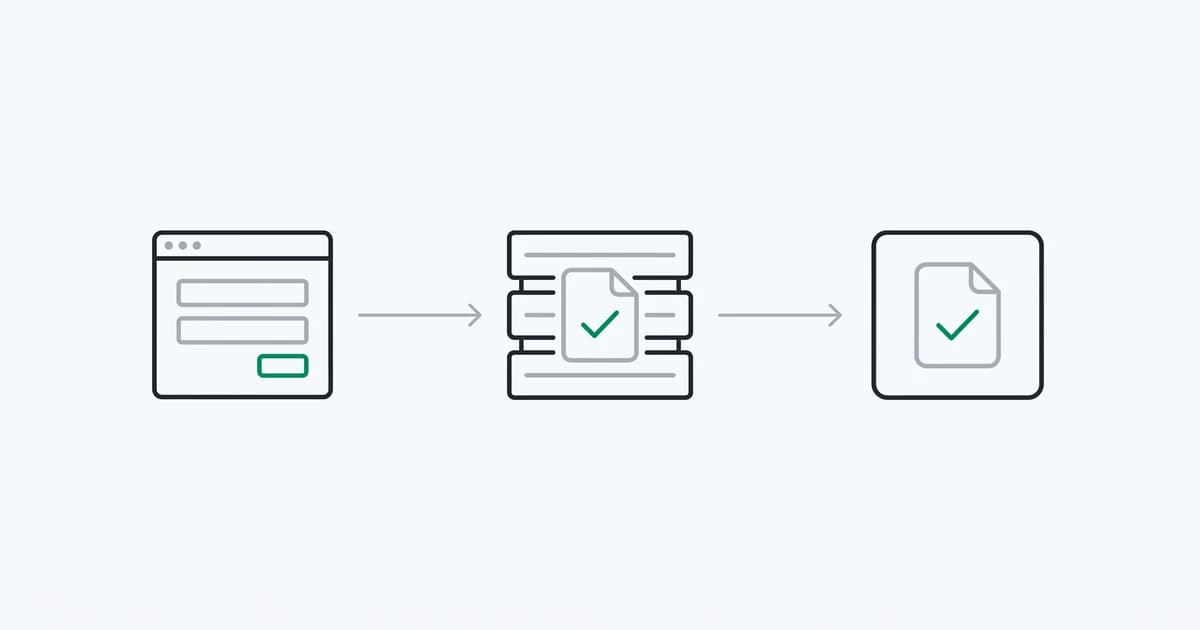
Fraud Detection API for Web Apps: From Browser Signal to Backend Decision
Integrate a fraud detection API into web signup and login with browser collection, verified server results, signed webhooks and clear timeout handling.
Blog / Fraud prevention
Integrate a fraud detection API into web signup and login with browser collection, verified server results, signed webhooks and clear timeout handling.
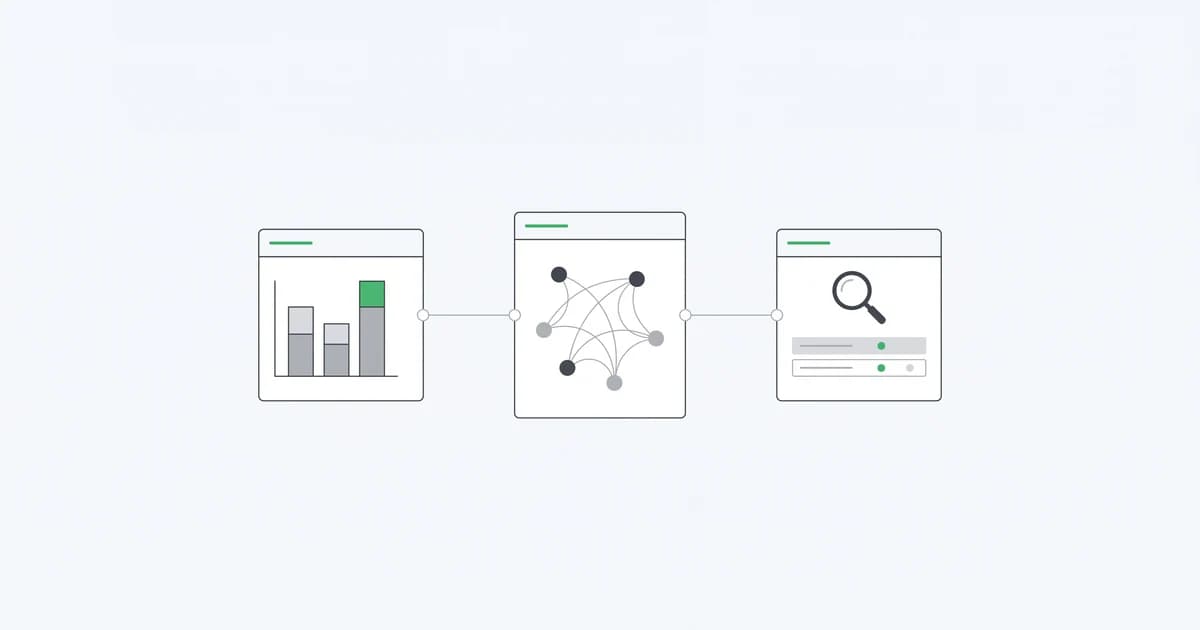
Use fraud analytics to investigate risk signals, account events and traffic sources. Read dashboard units correctly and join evidence to real outcomes.
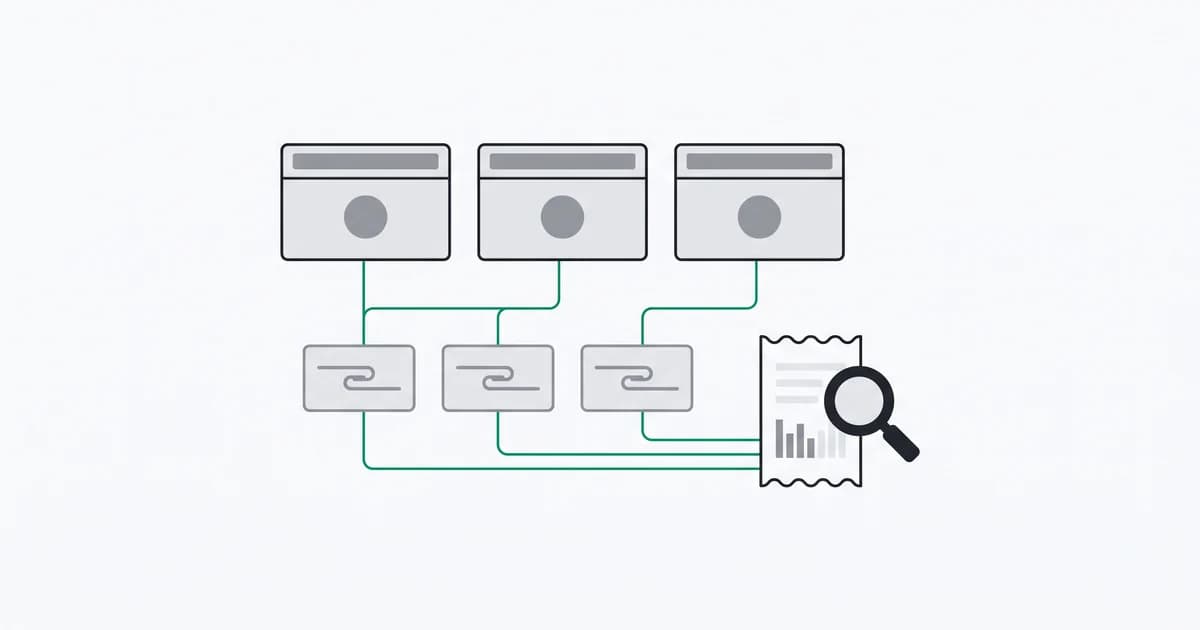
Investigate device farm fraud in web accounts using device relationships, signup timing and benefit eligibility, while keeping legitimate shared use visible.
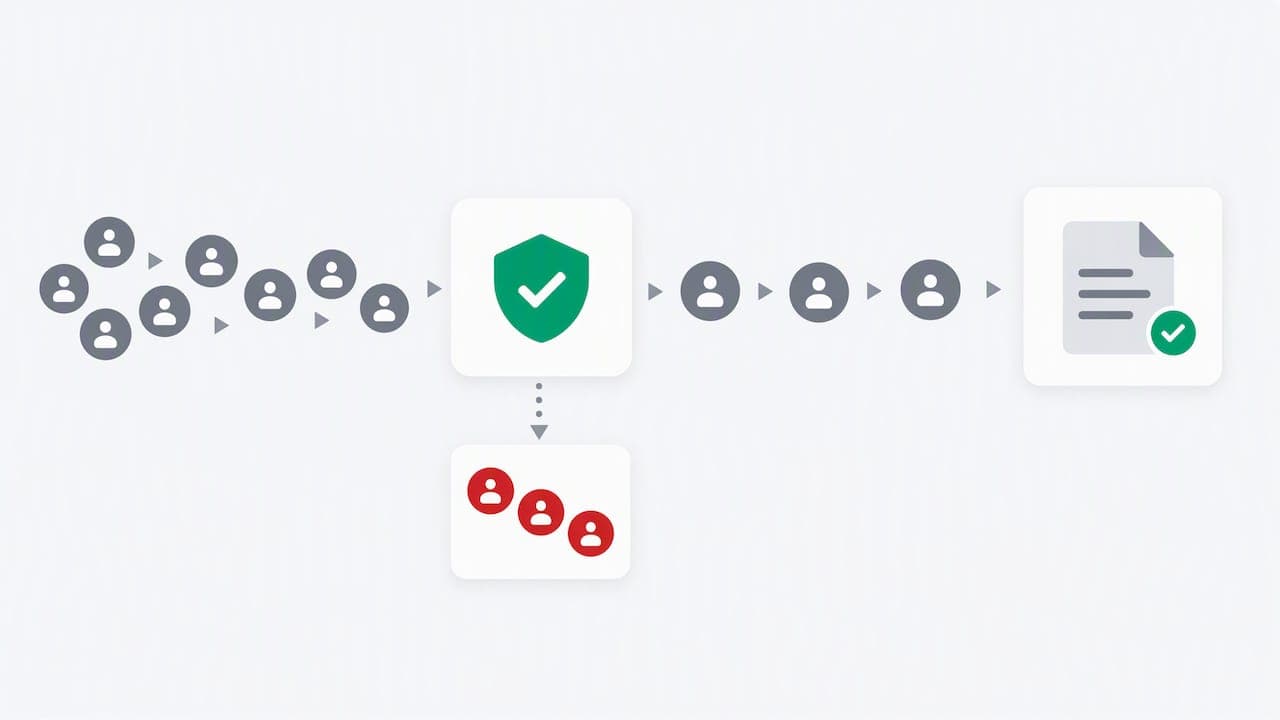
Detect traffic laundering with four checks across supply paths, device and network signals, and forensic samples; track decision rates using MRC guidance.
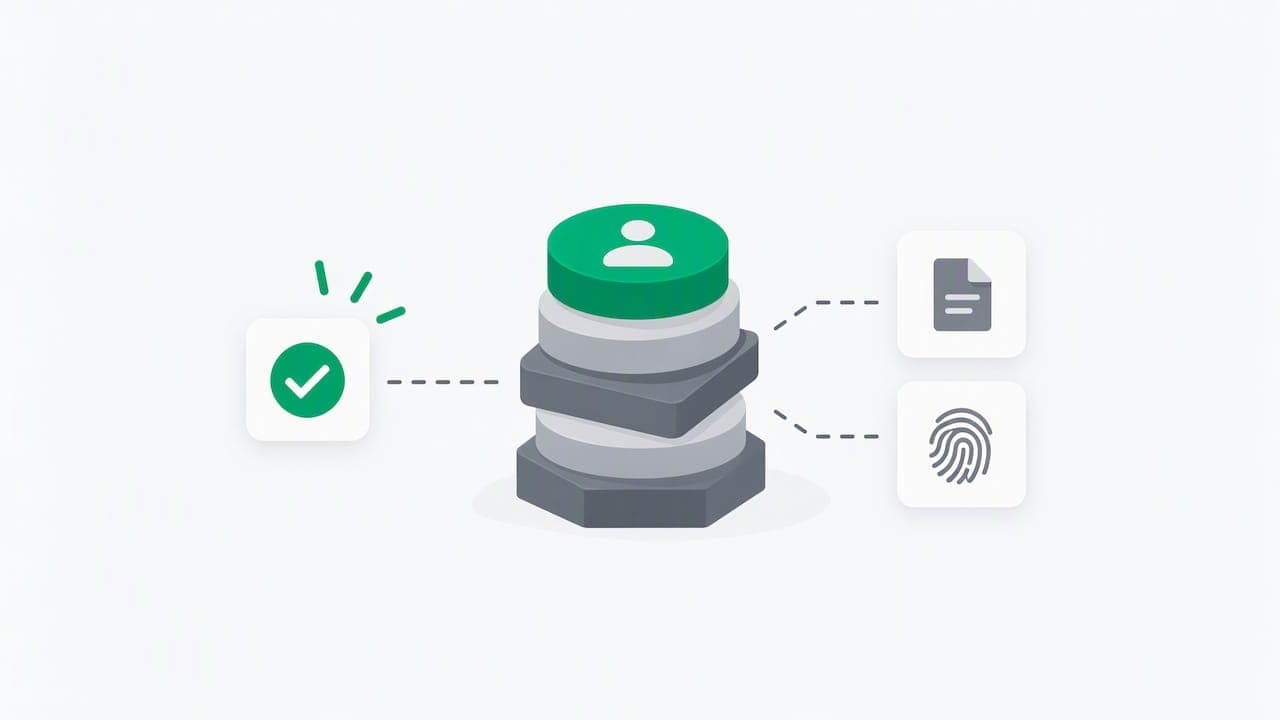
Audit ready playbook for velocity checks: industry backed rules, a 90 day rollout checklist, reviewer workflows, and ShieldLabs signals.
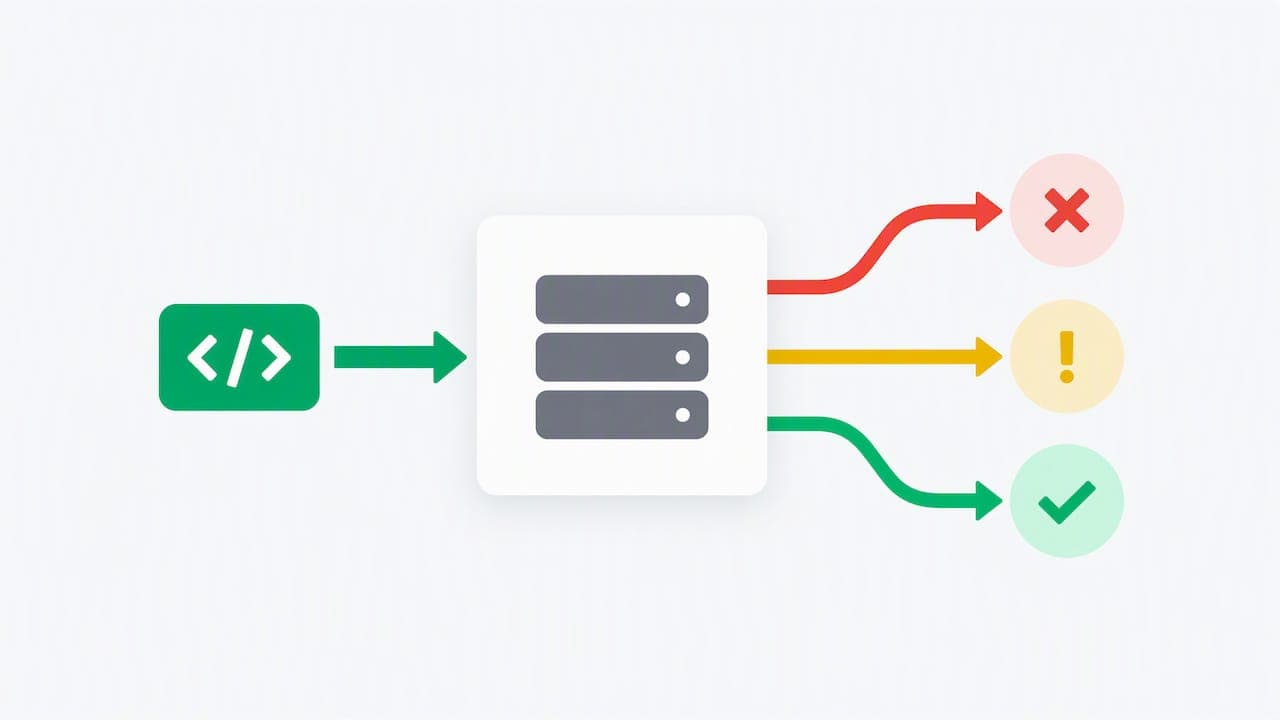
Developer playbook for privacy first React bot detection. Use invisible attestation, graduated responses, and auditable ShieldLabs signals. One JS snippet...
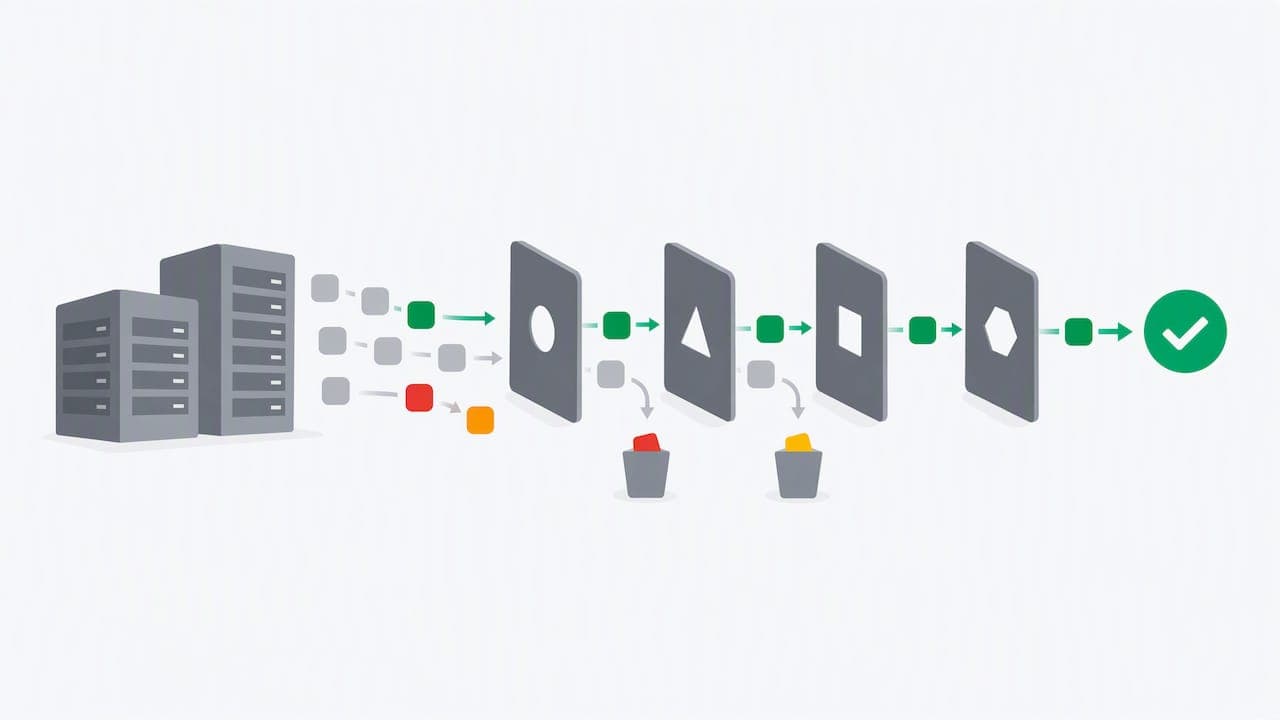
Practical production guide for fraud teams: detect datacenter proxies by pairing ASN, rDNS, device/TLS telemetry and IP population signals.

A practical guide to purpose, consent exceptions, retention and rights when using device fingerprinting for fraud prevention in the UK and EU.

Compare fraud detection pricing models and calculate ShieldLabs costs using 5,000 free identifications once, monthly plans and annual billing.
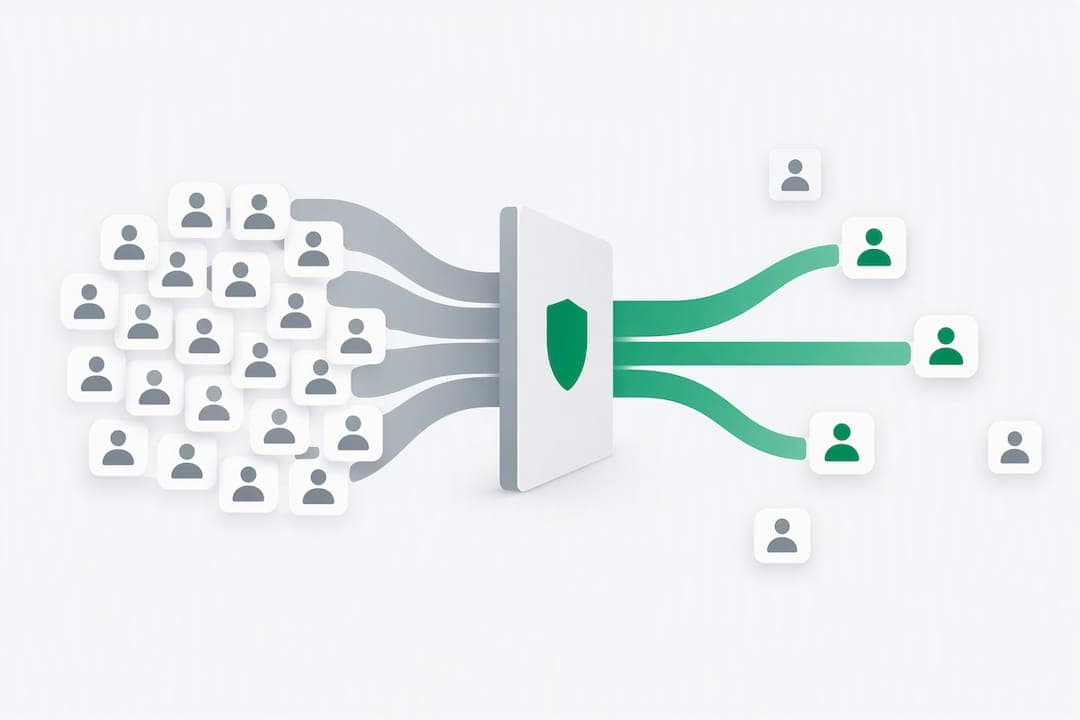
Learn how marketplaces combine device identification, automatic multi-accounting detection and reputation models to prevent Sybil abuse and protect trust.

How to stop multi-accounting in online gambling: why players open multiple betting accounts, the signals that link them to one person, and an operator playbook.
How to detect betting bots: the five kinds operators face, the device, network, and timing signals that expose them, and how to stop bot-driven abuse.


