


Deploy Tor Detection in Five Minutes for Security Engineers
Ops first Tor detection for security engineers: deploy exit lists, DNS/API lookup, TLS fingerprints, and auditable signals in five minutes.
Blog / Anonymous traffic
Ops first Tor detection for security engineers: deploy exit lists, DNS/API lookup, TLS fingerprints, and auditable signals in five minutes.

Cut bot damage on WordPress by detecting early, logging first, and tuning rules safely. Install one JS snippet in about five minutes and start in log-only...

Implementation focused proxy detection for engineers and fraud teams: APIs, caching, TLS fingerprints, and a 0–100 confidence model to cut false positives.

Practical playbook for fraud and product teams to deploy visitor identification: prioritized engineering checks, monitoring rules, and vendor-evaluation...

Returning visitors convert far better than first-timers, but logged-out shoppers look new. Recognizing the returning device captures the conversion lift.

How to personalize for returning visitors who are not logged in, by recognizing their device with a durable identifier that holds without cookies.

How to keep a returning visitor's cart and preferences across sessions without a login, by recognizing the device with a durable identifier.

What a good new vs returning visitor ratio is, why the cookie-based count in analytics is wrong, and how returning visitors are recognized without cookies.

What a click farm is, how phone farms mass-produce fake installs, signups, and clicks, and how the devices behind that activity cluster back to one operation.
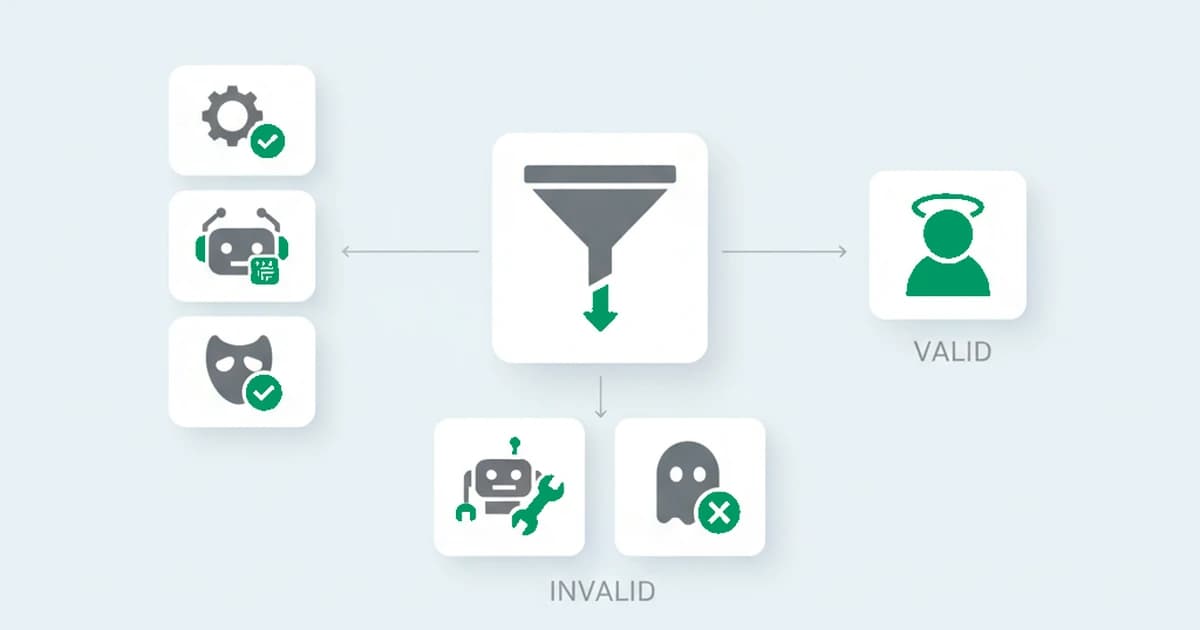
How to detect invalid traffic (IVT): the GIVT vs SIVT split, what causes it, and the signals advertisers use to catch the traffic draining ad budgets.

Why your visitor counts never match across tools. How Google Analytics, Vercel, and ShieldLabs each identify a visitor, and which count is closest to the truth.

How to detect ad fraud: the fake clicks, impressions, installs, and leads that drain ad budgets, what each type costs, and the signals that catch them.
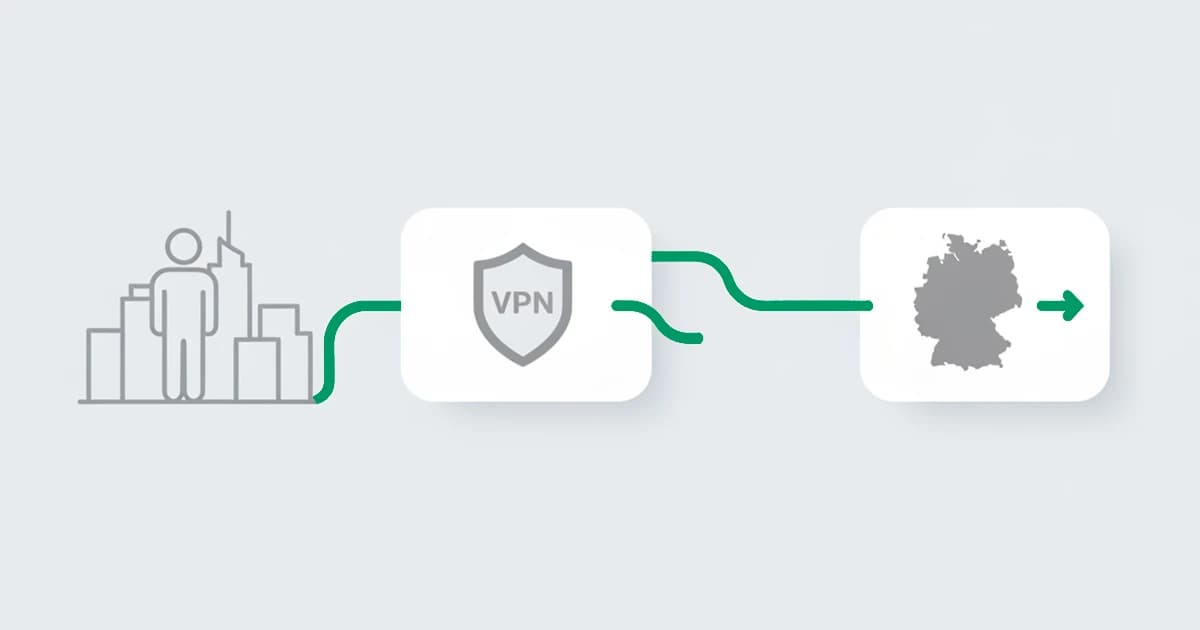
How to detect geolocation spoofing: how it works, why a single IP check fails, and how layered signals expose the mismatch so your team can prevent fraud.

How to identify anonymous traffic and recognize returning visitors hidden behind VPNs, proxies, Tor, Private Relay, and anti-detect browsers.
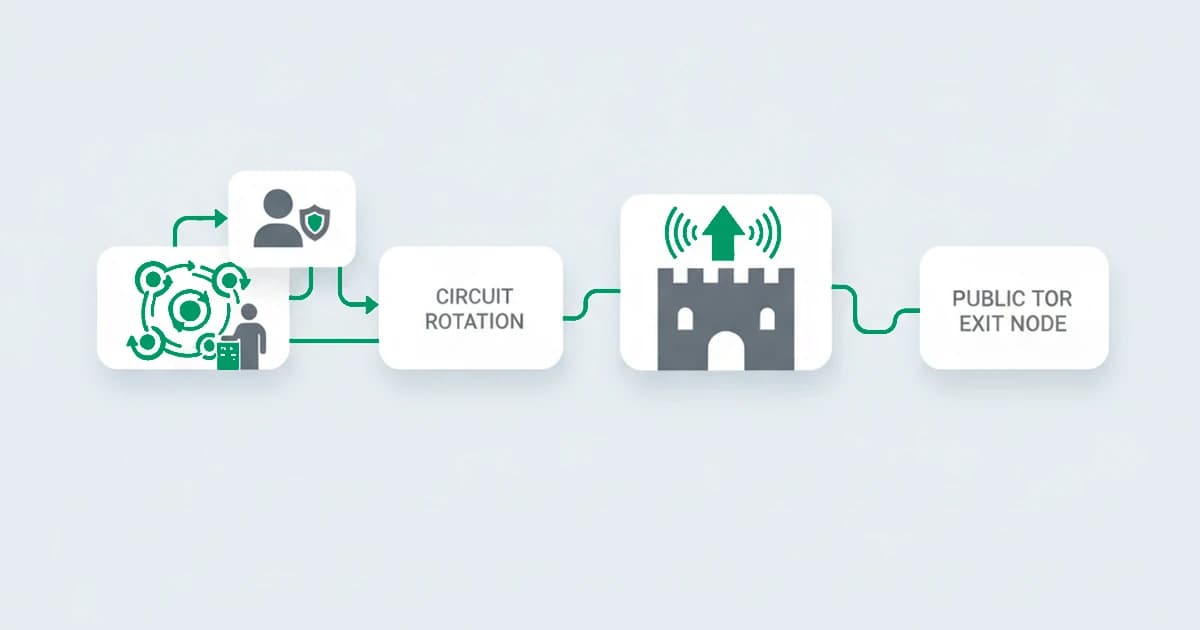
Detecting Tor traffic is easy because exit nodes are public. The hard part is acting on it without blocking real users. How web detection actually works.


