

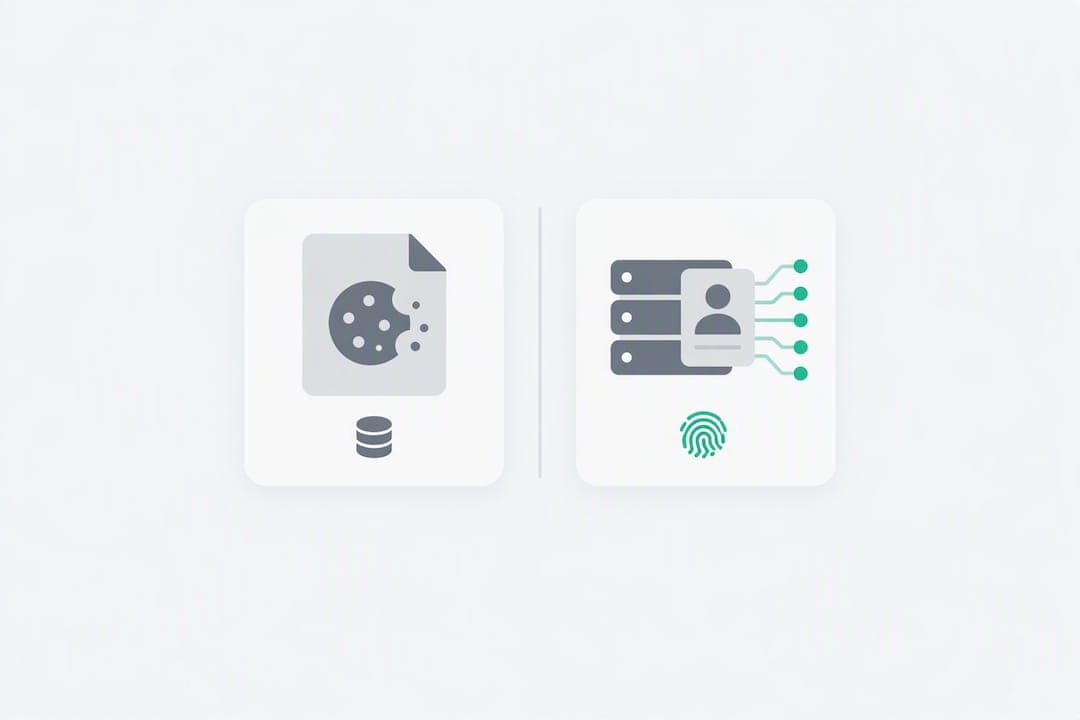
100+ Signals, 99% Accuracy: Fingerprinting vs Cookies for Fraud Teams
How cookies differ from server-side fingerprinting, why many "cookieless" claims mislead, and practical steps developers and fraud teams can use to stay...
Blog / Browser fingerprinting
How cookies differ from server-side fingerprinting, why many "cookieless" claims mislead, and practical steps developers and fraud teams can use to stay...
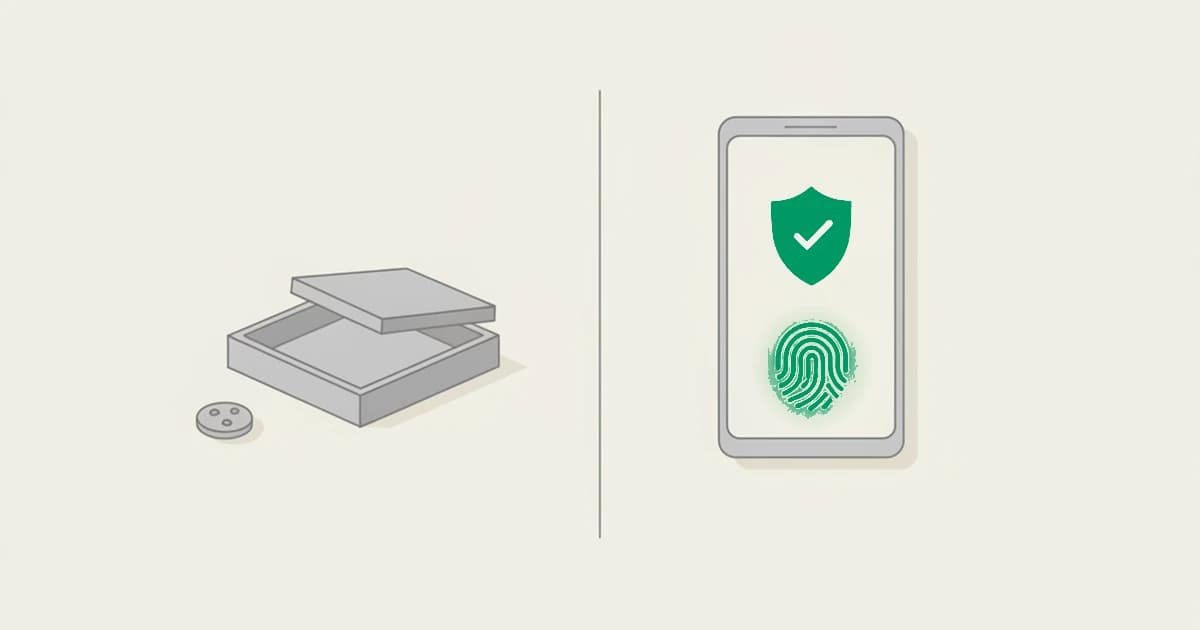
Google retired the Privacy Sandbox in October 2025 and third-party cookies are staying in Chrome. What it was, why it ended, and what it means for fraud.
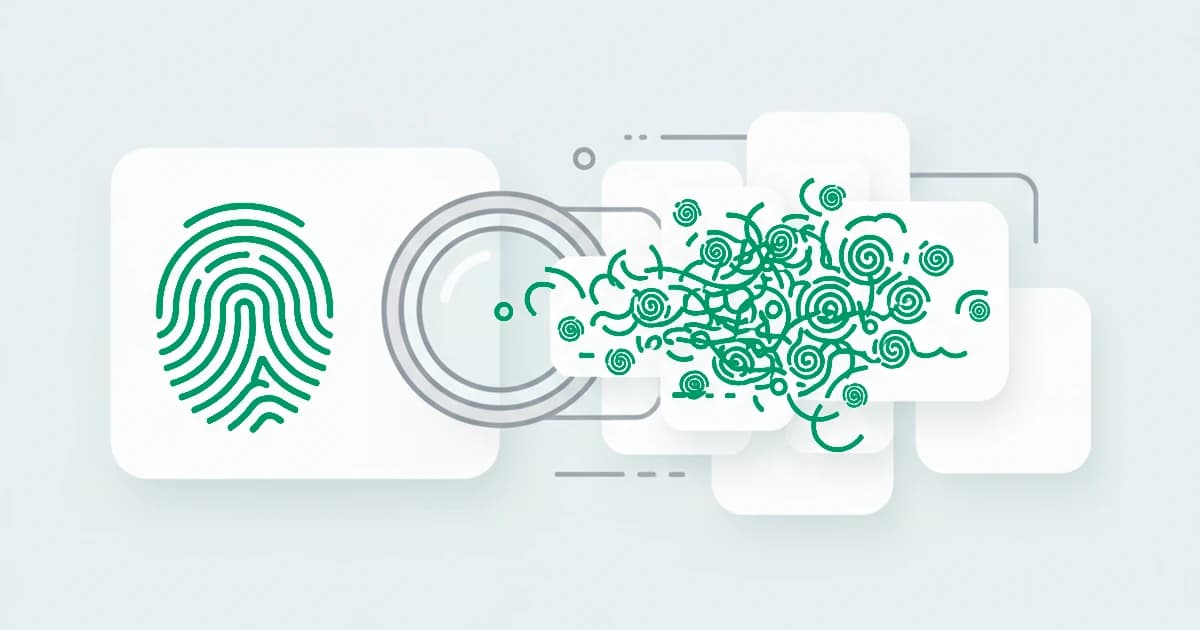
Anti-fingerprint browsers spoof canvas, WebGL, fonts, and TLS to break recognition. How to detect them in 2026, and the tells they leave behind.
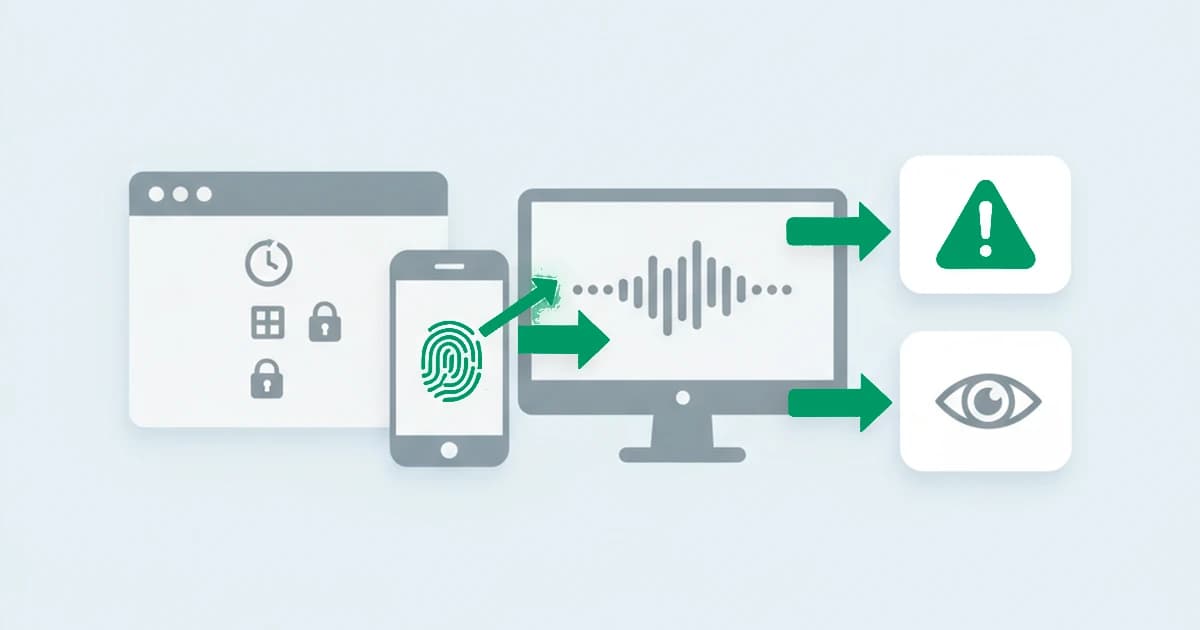
What browser spoofing is, what attackers fake (user agent, OS, screen, timezone), and how a spoofed browser betrays itself through signals that disagree.
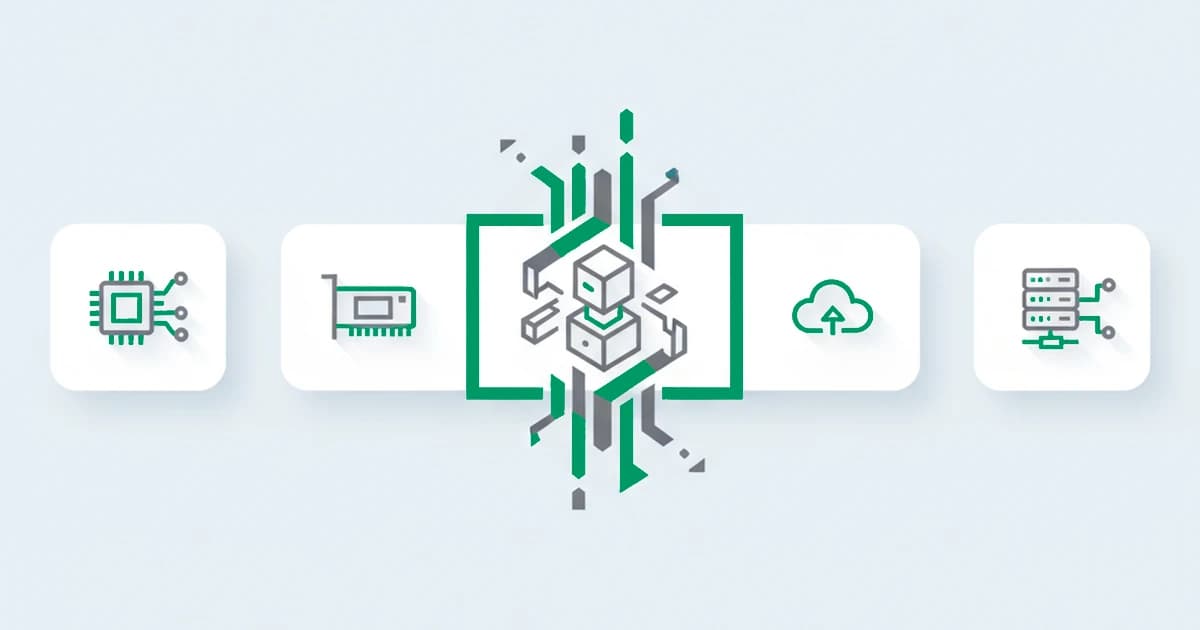
WebGL fingerprinting identifies a device by how its GPU renders 3D graphics. How it works, what it reveals, and how it differs from canvas.
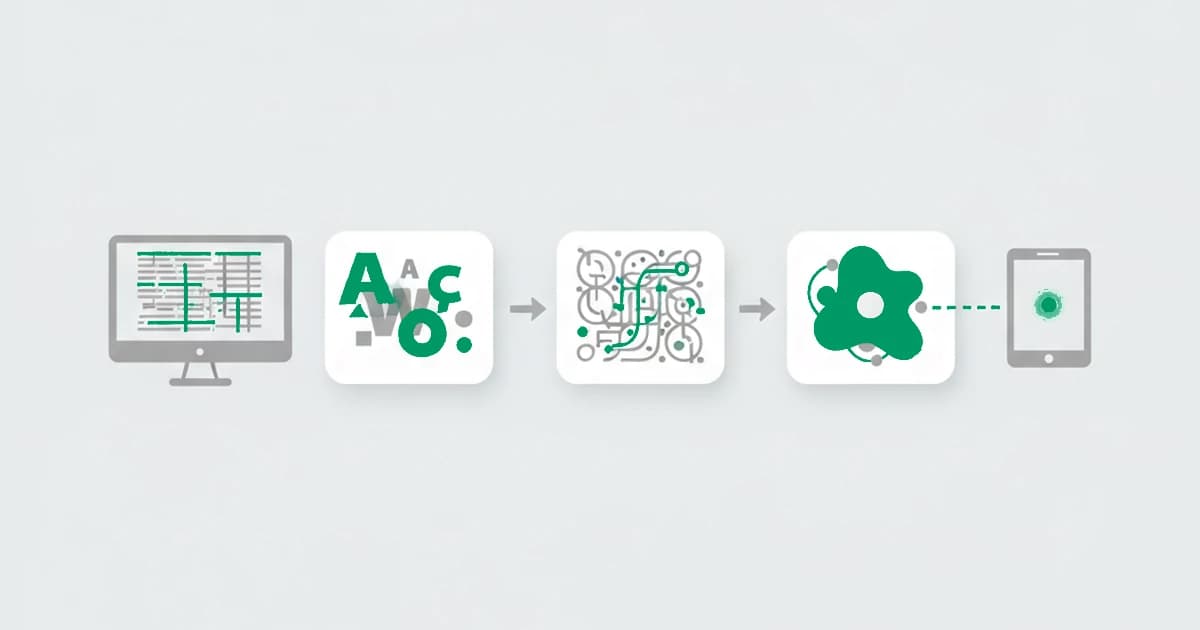
Font fingerprinting identifies a device by which fonts are installed, read from how text renders. How it works, what it reveals, and how stable it is.
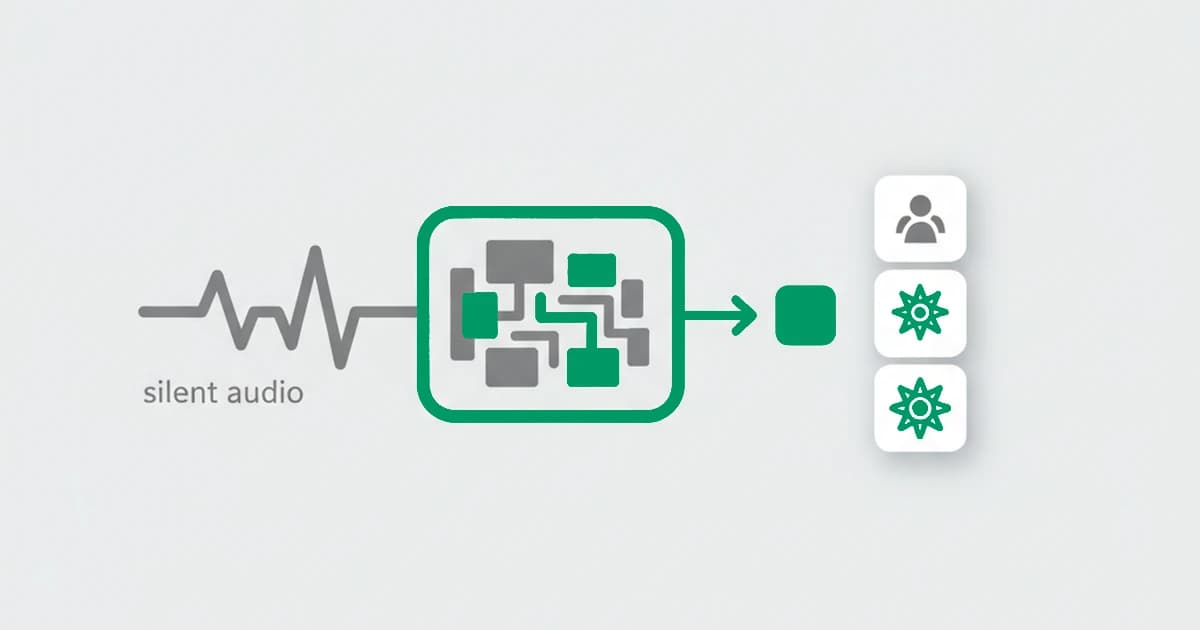
Audio fingerprinting identifies a device by how it processes a sound signal in the browser. How it works, what it reveals, and how stable it is.
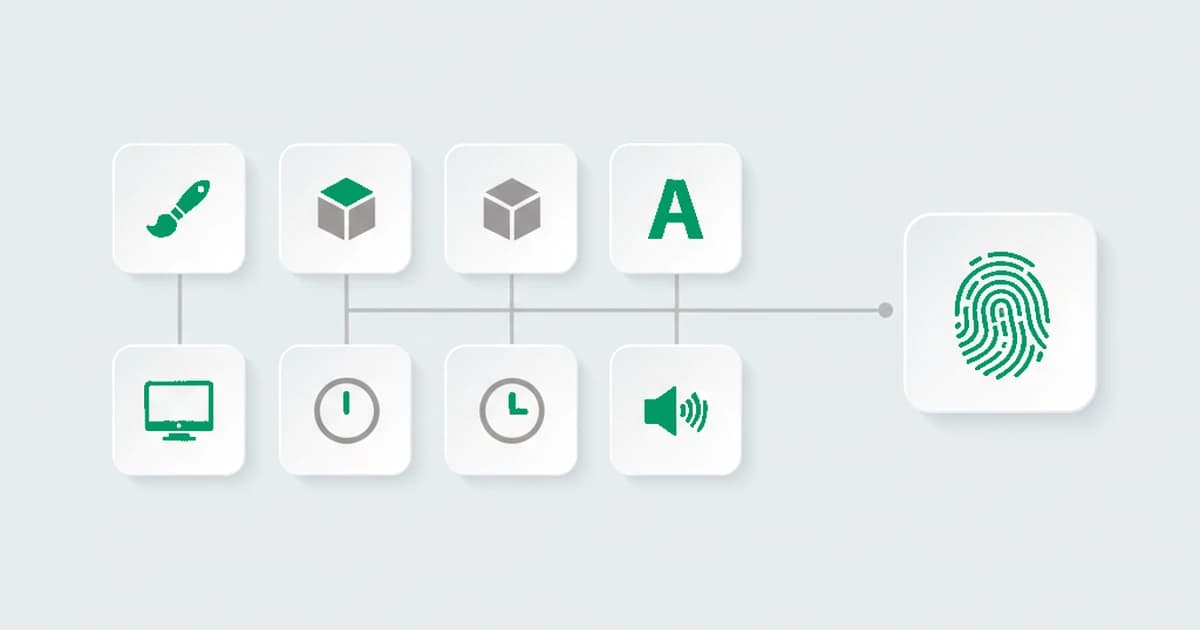
Browser fingerprinting identifies a device from 300+ datapoints. Learn how canvas, WebGL, and IP signals work, plus detection methods and countermeasures.
Canvas fingerprinting identifies a browser by how it renders a hidden image. How it works, what it reveals, how stable it is, and its role in fraud detection.
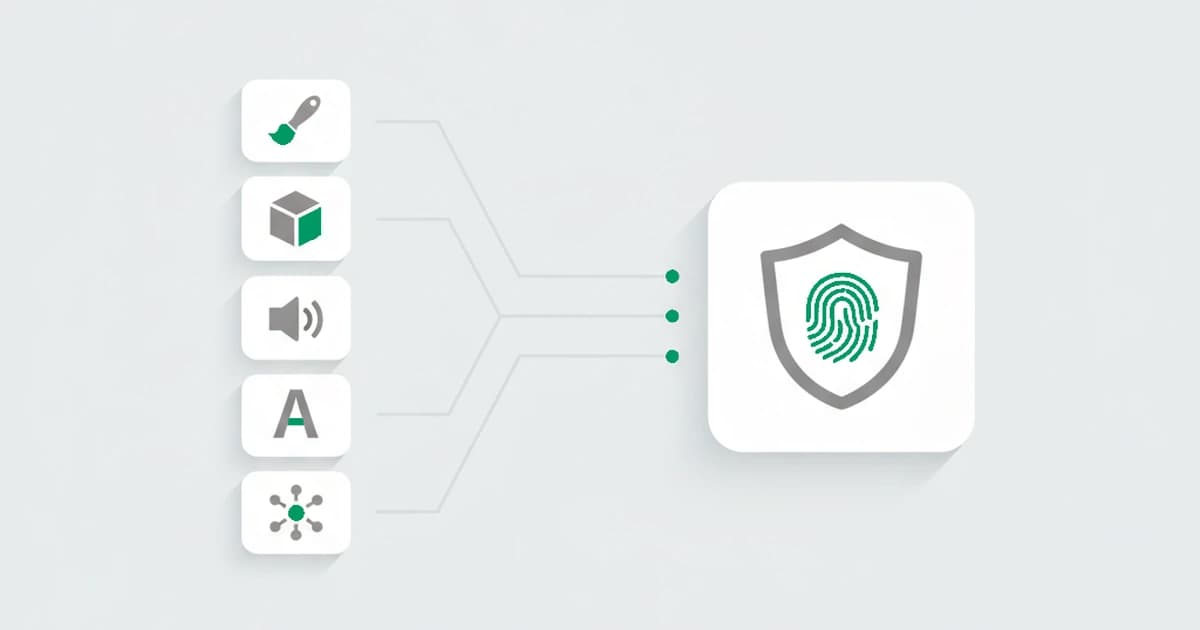
The main browser fingerprinting techniques: canvas, WebGL, audio, fonts, TLS (JA3/JA4), and more, what each one reads and how stable it is.

