

The best affiliate fraud detection tools in 2026: traffic and identity

Last updated on July 27, 2026 · 12 min read
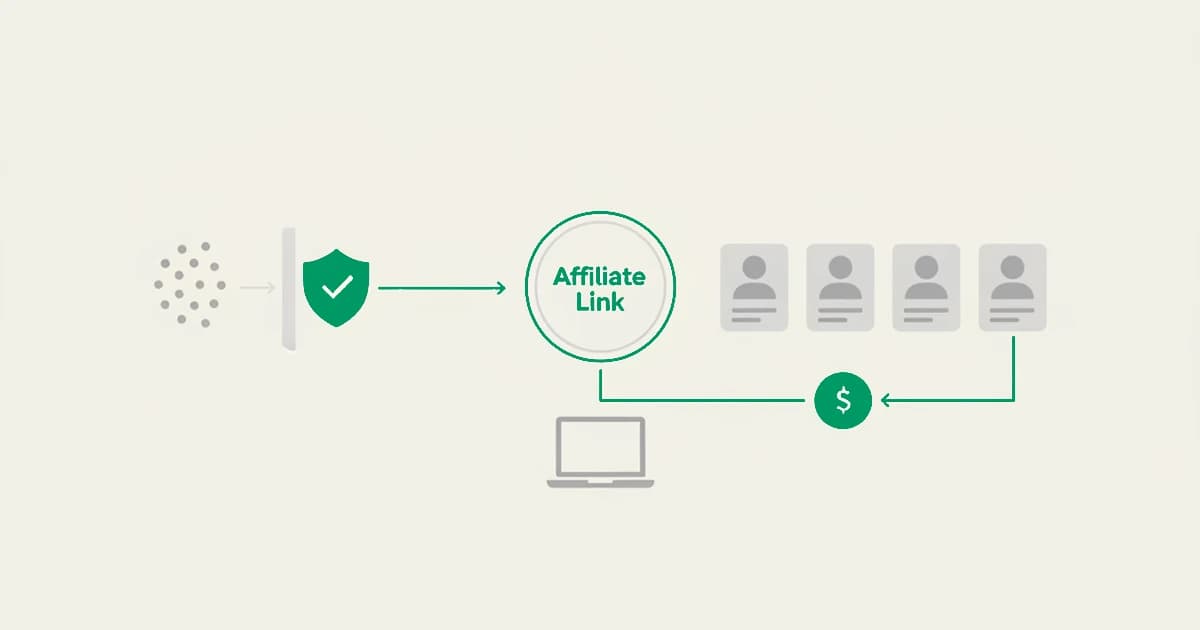
Affiliate fraud detection is the practice of spotting fake leads, self-referral, invalid traffic, and duplicate-account bonus farming before a partner program pays a commission on them. The money behind it is real: Juniper Research estimated that about 22 percent of online ad spend, roughly 84 billion dollars, was lost to ad fraud in 2023, and affiliate marketing sits inside that spend as one of its most gamed channels. The important thing to understand up front is that affiliate fraud has two layers, and they need different tools. One is a traffic layer, where the fraud lives in the clicks and conversions themselves: bot clicks, invalid traffic, cookie stuffing, and misattributed sales. The other is an identity layer, where a single person poses as both the affiliate and the referred users to farm commissions. Most programs need both. This guide walks the device and identity tools first, then the traffic and click-fraud tools. ShieldLabs is listed first in the identity section, and it is ours, so it is described on the same terms as the rest.
Key takeaways
- Affiliate fraud detection covers two distinct problems: invalid clicks and conversions on the traffic layer, and fake or self-referred accounts on the identity layer. No single tool owns both well, so most programs run one from each layer.
- Traffic and click-fraud tools score clicks, conversions, and leads in real time and flag invalid traffic, cookie stuffing, and misattribution. They tell you a click was junk; they do not resolve the person behind a fake account.
- Device and identity tools catch the self-referral slice by linking the affiliate's referred signups back to one device and network, surfacing the many-accounts-on-one-device pattern that self-referral leaves behind.
- The tool surfaces signals, detections, and scores; your affiliate program chooses whether to hold or reverse a commission. Match the layer to your leak: pay-per-click programs lean traffic-first, pay-per-signup and bonus programs lean identity-first.
What is affiliate fraud detection?
Affiliate fraud detection is software and process that identifies commissions an affiliate program should not pay, before or shortly after they are earned. Affiliate fraud takes several shapes. In pay-per-click and pay-per-lead programs, a partner can send bot clicks, invalid traffic, or fake form fills to inflate their numbers. In cost-per-acquisition programs, a partner can claim credit for sales they did not drive through cookie stuffing, where the affiliate cookie is dropped on a visitor who never clicked a real link. And in signup or deposit-bonus programs, one person registers as an affiliate and then creates the "referred" accounts themselves, a pattern known as self-referral or affiliate self-fraud.
Detection works because each of these leaves a trace. Invalid traffic looks wrong at the click and conversion level: impossible click rates, mismatched geographies, data-center IPs, and conversions with no real engagement. Self-referral looks wrong at the identity level: many accounts that all trace back to the same device, the same network, or the same anonymizing setup. A complete affiliate fraud prevention approach reads both. The traffic layer answers "was this click or conversion real," and the identity layer answers "is this referred user a different person from the affiliate." The rest of this guide covers each layer in turn, and a practical how to prevent affiliate fraud playbook walks the same two-layer split step by step.
How affiliate fraud detection works
The two layers use different inputs and answer different questions.
- The traffic and click layer. These tools sit on your clicks, conversions, and leads and score each event in real time. They watch for invalid traffic, bot clicks, click flooding, cookie stuffing, and misattribution, where a partner is credited for a conversion they did not actually cause. The signals are event-level: click timing, IP reputation, device and browser consistency at the moment of the click, and whether a conversion has any genuine engagement behind it. The output is a verdict on the traffic itself, so the program can withhold payout on clicks and conversions that were never real.
- The device and identity layer. These tools answer a different question: who is behind the referred accounts. They link signups back to a device and network using persistent identification that survives cleared cookies, a new browser profile, and a rotated IP, then surface when many "different" referred users are really one device. That is the shape of self-referral and duplicate-account multi-accounting. Named risk signals such as VPN, proxy, Tor, and anti-detect browser use add context, because a partner farming their own program usually hides the connection. The output is an identity picture: how many accounts share a machine, and how anonymized the traffic is.
The honest framing is that neither layer replaces the other. A click-fraud tool will not tell you that fifty referred accounts live on one device, and a device-intelligence tool will not tell you a partner's clicks are bot traffic. Programs that pay on clicks or leads start with the traffic layer; programs that pay on signups, deposits, or bonuses start with the identity layer; most mature programs run both.
Within each layer, five criteria separate the tools:
- Layer coverage. Does the tool score the traffic, resolve the identity behind the accounts, or reach into both?
- Detection depth. Does it return named signals such as VPN, proxy, and anti-detect browser use, or only a verdict?
- Ready-made detection versus rules you build. Does it surface account-level shapes like many accounts on one device for you, or hand you raw signals to model yourself?
- Explainability. Can your team see why a click or signup was flagged, so a held commission can be defended to the partner?
- Integration and pricing transparency. Can you start from a snippet or API with published pricing, or only through a sales process?
ShieldLabs publishes this list and includes its own product. ShieldLabs is listed first because it scores highest on the criteria above: layer coverage, detection depth, ready-made detection versus rules you build, explainability, and integration and pricing transparency. The other tools are grouped by layer and described against the same criteria.
Device and identity tools
These tools catch the slice traffic scoring cannot reach: the self-referral and fake-account problem, where the affiliate and the referred users are the same person. They work by linking accounts back to a device and network and reading the risk signals around them, so a partner farming their own program shows up as many accounts on one machine. This is the layer that anchors referral fraud prevention, and it overlaps heavily with the wider problem of multi-accounting detection tools. Each entry below is sourced from our vendor profiles, with pricing stated only where the profile verifies it.
ShieldLabs
ShieldLabs is a device intelligence tool built around one JavaScript snippet, with enterprise-level functionality without enterprise pricing, and it helps you prevent the identity slice of affiliate fraud. Each visit returns persistent identification with 99.9% identification accuracy: a durable identifier that survives cleared cookies, a new browser profile, and a rotated IP, so referred accounts stay linked to the device they came from. When many signups trace back to one machine, that many-accounts-on-one-device shape is the tell of self-referral, and ShieldLabs detects it directly through ready-made High-Risk Events: multi-accounting, account sharing, impossible travel and account takeover, each with Medium or High confidence. Alongside them come named risk signals including VPN, proxy, Tor, and anti-detect browser use, read with 99.9% risk signal detection accuracy, plus bot and automation detection, all feeding an explainable risk score from 0 to 100 with full Details. Pricing is a free tier of 5,000 identifications, then plans from 79 USD a month. ShieldLabs flags the risky referrals with the signals and the score, and you choose whether to hold or reverse the commission.
The tradeoff: ShieldLabs is the device and identity layer. For fraud in the clicks and conversions themselves it works alongside a traffic-fraud tool, and case management stays in your own tooling. It covers web traffic through one JavaScript snippet, with an API and webhooks on every plan.
Best for: affiliate and growth teams that want to catch self-referral and duplicate signups with a maintained device identifier and an explainable score, without building the identity layer themselves.
Fingerprint
Fingerprint is the commercial device intelligence platform that grew out of the FingerprintJS open-source library, and its Visitor ID is engineered to persist across cleared cookies, incognito, and a rotated IP. That durability is what lets it link referred accounts back to a device, which is the core self-referral signal, and its customer stories include large reductions in multi-accounting. On top of the identifier it layers Smart Signals, a catalog of more than twenty named detections including VPN, proxy, incognito, virtual machine, and velocity, and rolls everything into a single Suspect Score. The catalog is broad, with web plus native iOS and Android SDKs, and the Pro Plus tier is published at 99 USD a month for 20,000 API calls on top of a permanent free tier.
The honest tradeoff: Fingerprint returns raw signals and one composite score, not pre-built pattern analytics, so teams usually build their own model on top to turn the signals into a self-referral decision. Overage is billed per additional thousand calls, which reviewers flag as costly as volume grows.
Best for: teams that want a maintained device identifier with a broad signal catalog and mobile coverage, and are comfortable composing the self-referral decision themselves.
IPQualityScore (IPQS)
IPQualityScore is an API-based fraud signal layer that spans both edges of affiliate fraud, which is why it recurs in affiliate contexts. On the traffic side it offers IP reputation and VPN, proxy, Tor, and residential-proxy detection backed by a proprietary honeypot network, plus click-fraud and invalid-traffic checks. On the identity side it adds email and phone validation and duplicate and fake-account detection, so a program can screen a referred signup for a burned contact detail or an anonymized connection. Free lookup tools make the signals easy to test, a permanent free tier covers 1,000 lookups a month, and self-serve plans start at 99 USD a month.
The honest tradeoff sits in the packaging. On the self-serve tiers you get IP, email, phone, and URL reputation, but full device fingerprinting is gated to a custom Enterprise plan, so the device-linkage layer is not in the entry tiers. Output is a 0 to 100 score plus raw signals with no pre-built pattern analytics, and reviewers flag a dated dashboard, so you build the account-linkage story yourself.
Best for: programs that want IP, email, and phone reputation plus click-fraud signals at the entry price and treat deeper device linkage as a later, Enterprise-tier addition.
SEON
SEON is a fraud platform widely used in iGaming and fintech, and device and identity signals are one layer inside a much larger suite. Rather than lead with a single fingerprint, it pairs device intelligence with data enrichment: it resolves an email or phone into a wider digital footprint and links signups that share hidden attributes, recognizing the same actor behind many accounts. That makes it a fit for self-referral and bonus abuse; SEON even markets a dedicated bonus-abuse use case with results in multi-accounting detection at registration. It advertises more than 900 signals, transparent scoring, a custom rules engine, case management, and AML tooling. The Starter tier is published at 699 USD a month for 2,500 fraud checks, with more quoted by sales.
The honest tradeoff: SEON is a full fraud and compliance platform, priced and sold that way. Past a few thousand checks a month you move into a sales-quoted plan, and reviewers note a learning curve and ongoing rule calibration. If you only need to catch self-referral on signups, most of the platform is surface you pay for and never use.
Best for: iGaming and fintech operators that want enrichment, case management, and AML around affiliate and bonus-abuse data and can absorb a sales-led entry.
Verisoul
Verisoul is a fake-account-prevention platform whose device signals map directly onto affiliate self-referral. Its Account Linking feature visualizes user networks in real time, showing which accounts share a device or fingerprint, which is the exact picture a program needs to see when one partner is creating their own referrals. Around that it runs device fingerprinting, proxy and VPN detection, bot detection, and optional selfie and document add-ons for programs that want a harder identity check. A no-code rules builder lets non-engineers act on the signals, and its published Professional tier is 249 USD a month.
The honest tradeoff: Verisoul is sales-led despite public prices. Every plan button, including the free tier, routes to a demo request, and the free tier has no API access, so an API-first evaluator cannot start in an afternoon. It also returns match probabilities rather than a stable device identifier, which fits less well if you want to join a durable ID against your own warehouse.
Best for: programs that want an account-linking graph and an optional selfie step for self-referral and are comfortable starting through a sales conversation.
Traffic and click-fraud tools
These tools watch clicks, conversions, and leads as they happen and score them for validity. They answer the question "was this traffic real," and they are the right first layer for programs that pay per click or per lead. The shared tradeoff across all of them is the same: they score the traffic, but they do not resolve the identity behind a fake account or a self-referral ring, so on signup and bonus fraud they need an identity layer beside them. Because these three vendors publish capability but not the kind of verified pricing and metrics our device profiles carry, the entries below stay at a general, capability level and avoid specific numbers.
TrafficGuard
TrafficGuard is an ad and affiliate fraud prevention tool that scores clicks and conversions in real time across paid and partner channels. It is built to flag invalid traffic, bot and automated clicks, and misattributed conversions before they are paid out, which maps directly onto the pay-per-click and cost-per-acquisition shapes of affiliate fraud. For a program running affiliates alongside paid search and social, the appeal is a single traffic-quality verdict across those channels.
The honest tradeoff: TrafficGuard operates on the traffic itself. It tells you a click or conversion was invalid, but it does not resolve whether ten referred accounts are one person behind a VPN, which is the self-referral question. Pair it with a device and identity layer when your leak is fake or duplicate accounts rather than junk clicks.
Best for: programs that pay on clicks or conversions across affiliate plus paid channels and want one real-time invalid-traffic verdict over all of them.
Anura
Anura is an ad fraud detection tool focused on separating real users from bots, malware, and human fraud on clicks and conversions. It analyzes traffic in real time and returns a judgment on whether an interaction came from a genuine person, which is useful for affiliate programs trying to stop paying commissions on automated or manipulated traffic. Its center of gravity is accuracy on the real-versus-fake call at the traffic level.
The honest tradeoff: like other traffic-layer tools, Anura scores the interaction, not the identity. It can tell you a conversion was non-human or manipulated, but it is not designed to link a cluster of referred signups to one device or name the risk signals behind a self-referral scheme. It complements, rather than replaces, an identity-layer tool.
Best for: programs whose main affiliate leak is bot and non-human traffic on clicks and conversions and who want a focused real-or-fake verdict.
Fraudlogix
Fraudlogix provides invalid-traffic and ad-fraud detection data across programmatic and affiliate traffic, scoring traffic quality so networks and advertisers can filter out bots and low-quality sources. It works at the level of clicks and impressions, which fits affiliate and network operators who need a traffic-quality signal they can apply across many partners at once. Its focus is breadth of traffic scoring rather than case-by-case account investigation.
The honest tradeoff: Fraudlogix is a traffic-quality layer. It flags invalid and bot traffic, but it does not tell you that a specific partner's "referrals" are self-created accounts sharing one machine and one anonymized connection. For that account-linkage question, it needs a device and identity tool working alongside it.
Best for: affiliate networks and advertisers who need to score traffic quality across many partners and sources and will add an identity layer for account-level fraud.
How to choose
Start with how your program pays. If you pay per click or per lead, your first leak is invalid traffic, and a traffic and click-fraud tool is the honest starting point. It scores the clicks and conversions themselves and withholds payout on the ones that were never real. If you pay per signup, per deposit, or on a bonus, your first leak is identity: one partner registering the accounts they then get paid for referring. That is a device and identity tool's job, because the tell is many accounts on one device behind an anonymized connection, and no amount of click scoring surfaces it.
Then be honest that a busy program usually needs both, layered. Run a traffic tool on the clicks and a device-intelligence tool on the signups, and let each answer the question it is actually good at. Two more questions narrow the identity choice. First, do you want a maintained device identifier and ready-made detection of multi-accounting and account sharing out of the box, or are you willing to build the scoring model yourself on top of raw signals. Second, do you need a full fraud and compliance platform with case management and AML, or a focused signal layer that hands you the identifier, the risk signals, and the score. The broader platforms earn their cost when your problem is genuinely bigger than affiliate fraud; a focused device and identity layer earns its keep when self-referral is the specific thing you are trying to stop.
Sources
- Juniper Research (via PRNewswire): 22% of online ad spend, about $84 billion, wasted due to ad fraud in 2023
- Wikipedia: Cookie stuffing
- Wikipedia: Affiliate marketing
- Wikipedia: Click fraud
Frequently asked questions
- Is affiliate fraud illegal?
- In many cases, yes, but it depends on the tactic and the jurisdiction. Cookie stuffing, where an affiliate drops tracking cookies on visitors who never clicked a real link to claim commissions on sales they did not drive, has led to criminal prosecution: the most cited example is a US case where an affiliate was charged with wire fraud over a large cookie-stuffing scheme against a major marketplace. Self-referral, fake leads, and duplicate-account bonus farming usually breach the affiliate program's terms of service at minimum, and can rise to fraud when there is deliberate deception for money. The practical point is that most programs do not need to prove a crime to act. They need enough evidence to hold or reverse a commission under their own agreement, which is what detection tools provide. Because the legal line varies by tactic and country, treat affiliate fraud as both a contract question and, in the worst cases, a legal one.
- What is self-referral, or affiliate self-fraud?
- Self-referral is when one person acts as both the affiliate and the referred users. Instead of driving genuine new customers, the partner registers as an affiliate and then creates the referred accounts themselves, often to farm signup bonuses, first-deposit matches, or per-lead commissions. Because the accounts are meant to look independent, self-referral is an identity problem, not a traffic one. The tell is that many supposedly different referred users share the same device, the same network, or the same anonymizing setup such as a VPN, proxy, or anti-detect browser. Device and identity tools catch it by linking those accounts back to one machine and surfacing the many-accounts-on-one-device pattern, so the program can question the referrals before paying on them.
- How does ShieldLabs help prevent affiliate fraud?
- ShieldLabs helps you prevent the identity slice of affiliate fraud. It gives each visitor persistent identification through one JavaScript snippet, a durable identifier that survives cleared cookies, a new browser profile, and a rotated IP, so an affiliate's referred signups stay linked to the device they came from. When many of those accounts trace back to one device, ShieldLabs flags it through ready-made High-Risk Events (multi-accounting, account sharing, impossible travel and account takeover), alongside named risk signals like VPN, proxy, Tor, and anti-detect browser use, bot and automation detection, and a risk score from 0 to 100 with full Details. Identification accuracy is 99.9%, and pricing is a free tier of 5,000 identifications, then plans from 79 USD a month. ShieldLabs flags the risky referrals with the signals and the score, and you choose whether to hold or reverse the commission. It is the device and identity layer, and for click and conversion fraud it works alongside a traffic-fraud tool.
- Do I need both a traffic tool and an identity tool?
- Usually, yes, if your program is large enough to be worth attacking. The two tools answer different questions and neither covers for the other. A traffic and click-fraud tool scores clicks and conversions and catches bot traffic, invalid traffic, cookie stuffing, and misattribution, but it cannot tell you that fifty referred accounts are really one person. A device and identity tool links accounts to a device and surfaces self-referral and duplicate signups, but it does not judge whether a partner's clicks were automated. If you pay on clicks or leads, start with the traffic layer; if you pay on signups, deposits, or bonuses, start with the identity layer; add the second layer as the program grows.
- What is cookie stuffing in affiliate marketing?
- Cookie stuffing is a traffic-layer affiliate fraud tactic where an affiliate forces tracking cookies onto a visitor's browser without the visitor ever clicking a genuine affiliate link, often through hidden iframes, pop-unders, or image loads. When that visitor later buys on their own, the stuffed cookie makes it look like the affiliate drove the sale, so the affiliate collects a commission they did not earn. Because it manipulates attribution at the click and cookie level, cookie stuffing is caught by traffic and click-fraud tools that inspect how a conversion was attributed, not by device-identity tools that link accounts. It is one of the clearest examples of why the traffic layer and the identity layer are separate problems.
Related articles

100+ Signals, 99% Accuracy: Fingerprinting vs Cookies for Fraud Teams
How cookies differ from server-side fingerprinting, why many "cookieless" claims mislead, and practical steps developers and fraud teams can use to stay...


Credential Stuffing Detection: 3 SIEM Rules SOCs Need Now
SOC playbook for credential stuffing detection: three SIEM-ready rules, triage and containment steps, and how to stream visitor-ID signals into your SIEM.
Deploy Tor Detection in Five Minutes for Security Engineers
Ops first Tor detection for security engineers: deploy exit lists, DNS/API lookup, TLS fingerprints, and auditable signals in five minutes.