

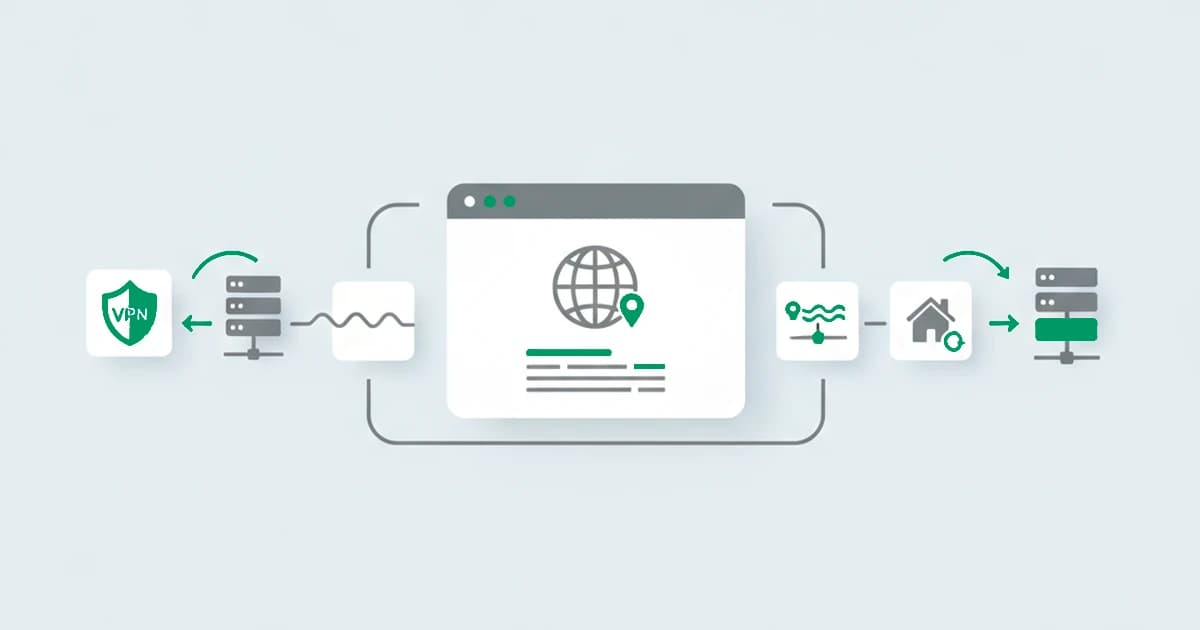
What is WebRTC fingerprinting? How it reveals a real IP behind a VPN
WebRTC fingerprinting uses a browser's real-time connection setup to expose network data, including a local or real IP behind a VPN. How it works.

Kanstantsin Serabrakou is the Chief Technology Officer at ShieldLabs, where he leads engineering and the device-intelligence and detection systems behind the product.
WebRTC fingerprinting uses a browser's real-time connection setup to expose network data, including a local or real IP behind a VPN. How it works.

What IP reputation is, how the 0 to 100 score is built, and why a clean IP score alone will not catch fraud. The lagging, shared, and recycled-IP problem.
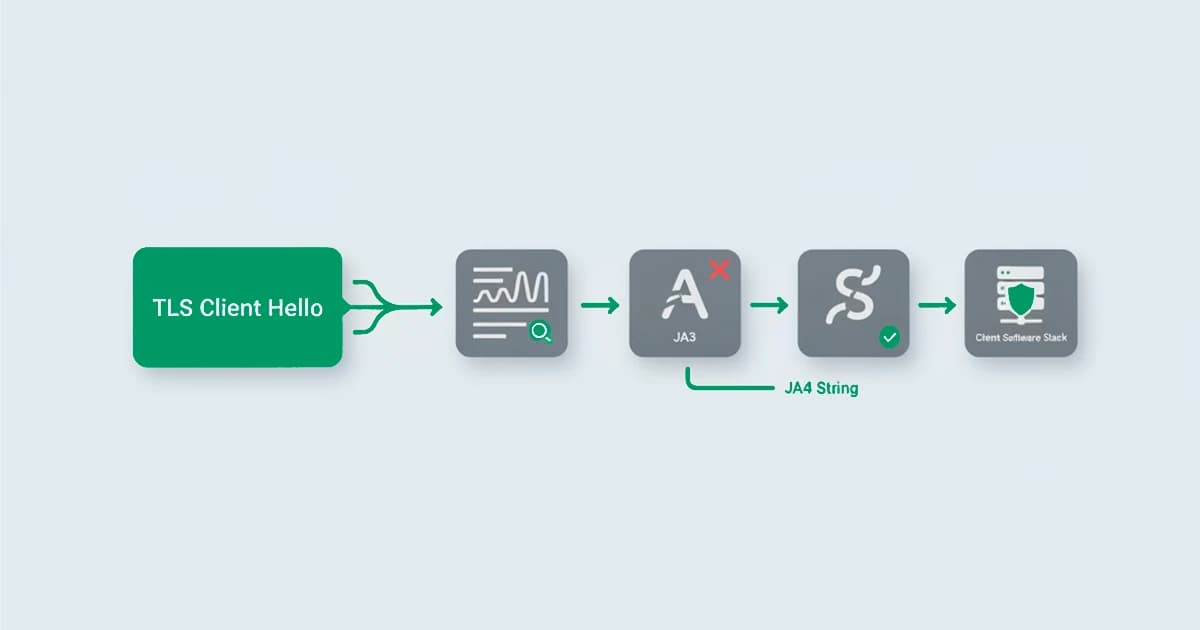
What JA4 fingerprinting is, how it fixes JA3's weakness to TLS randomization, the JA4 string format and JA4+ suite, and what it can and cannot identify.

How to detect VPNs in 2026: the methods that actually work, why an IP check alone fails, and how masked traffic ties to abuse and risk.
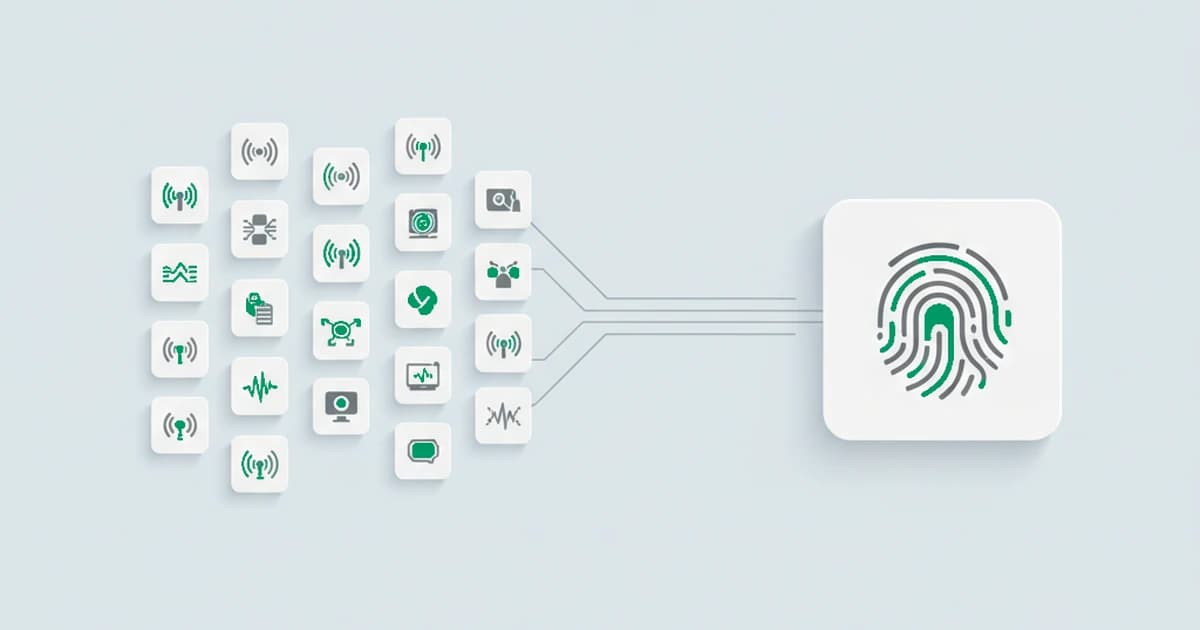
What is device fingerprinting: the signals that make up a device fingerprint, how recognition works across browsers, and what teams use it for.

How proxy detection works for fraud prevention: 13 techniques, why residential proxies are hard to spot, and why an IP check alone is never enough.
