

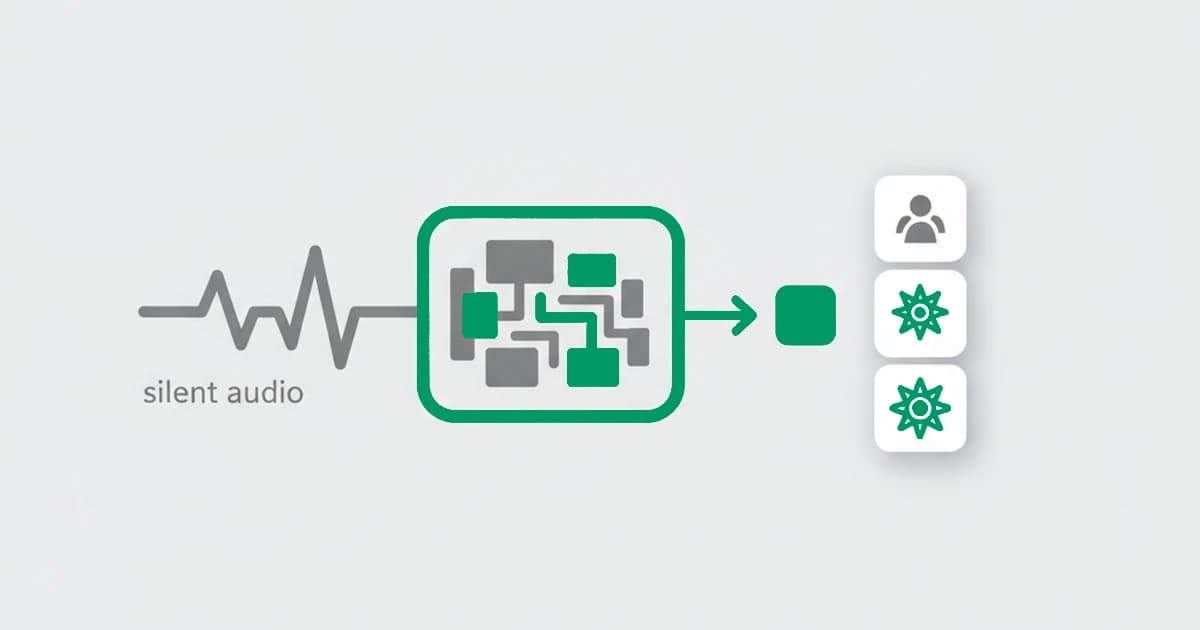
What is audio fingerprinting? The browser technique, explained
Audio fingerprinting identifies a device by how it processes a sound signal in the browser. How it works, what it reveals, and how stable it is.

Pavel Nuryieu is Head of Research at ShieldLabs, where he studies how anti-detect browsers, proxies, and other anonymity tools work, and how detection keeps pace. He has spent close to a decade researching device fingerprinting and online fraud techniques.
Audio fingerprinting identifies a device by how it processes a sound signal in the browser. How it works, what it reveals, and how stable it is.
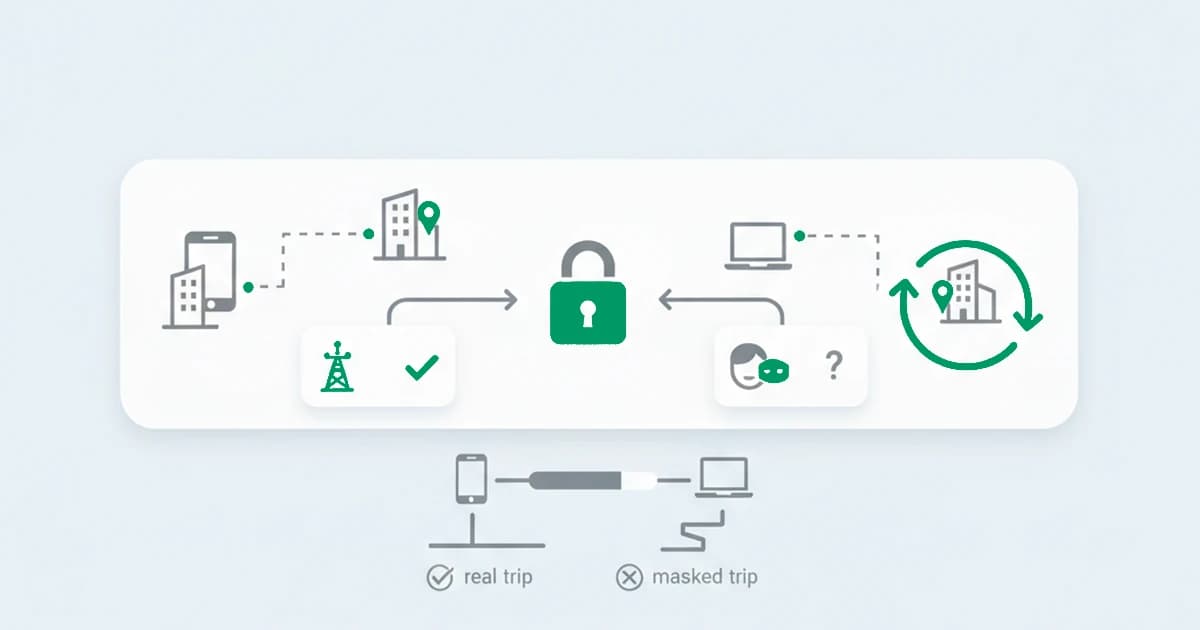
Impossible travel detection flags an account logging in from two far-apart places. Why velocity alone over-fires on VPNs, and how the device fixes it.
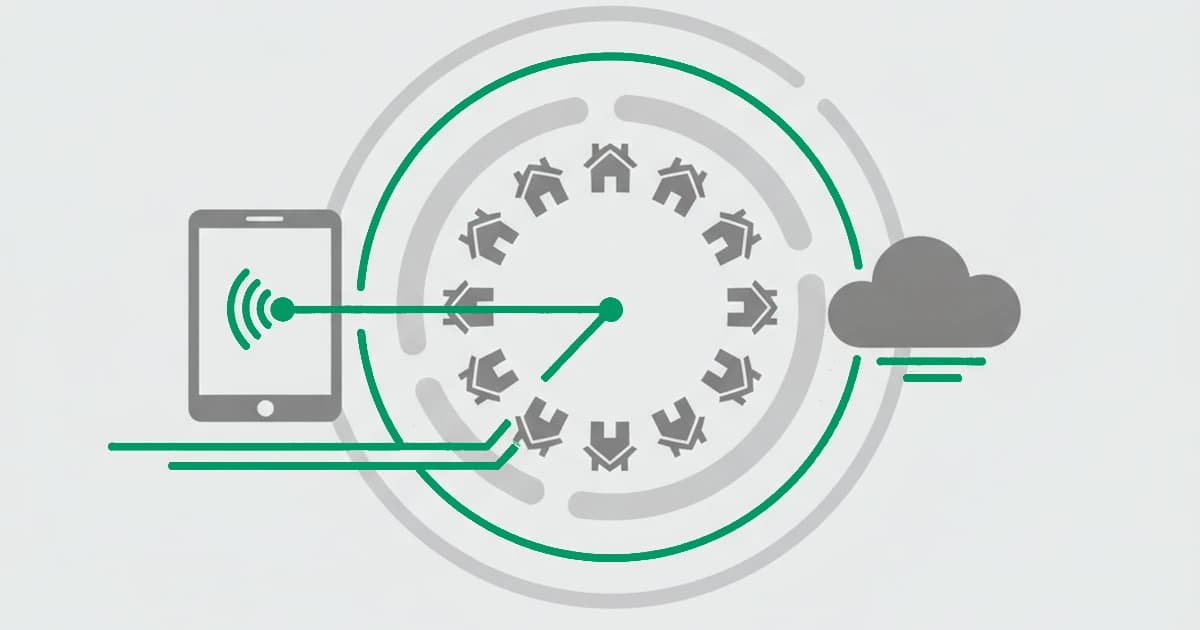
What a residential proxy is, where the home IPs come from, and how residential proxy detection works without relying on the address itself.
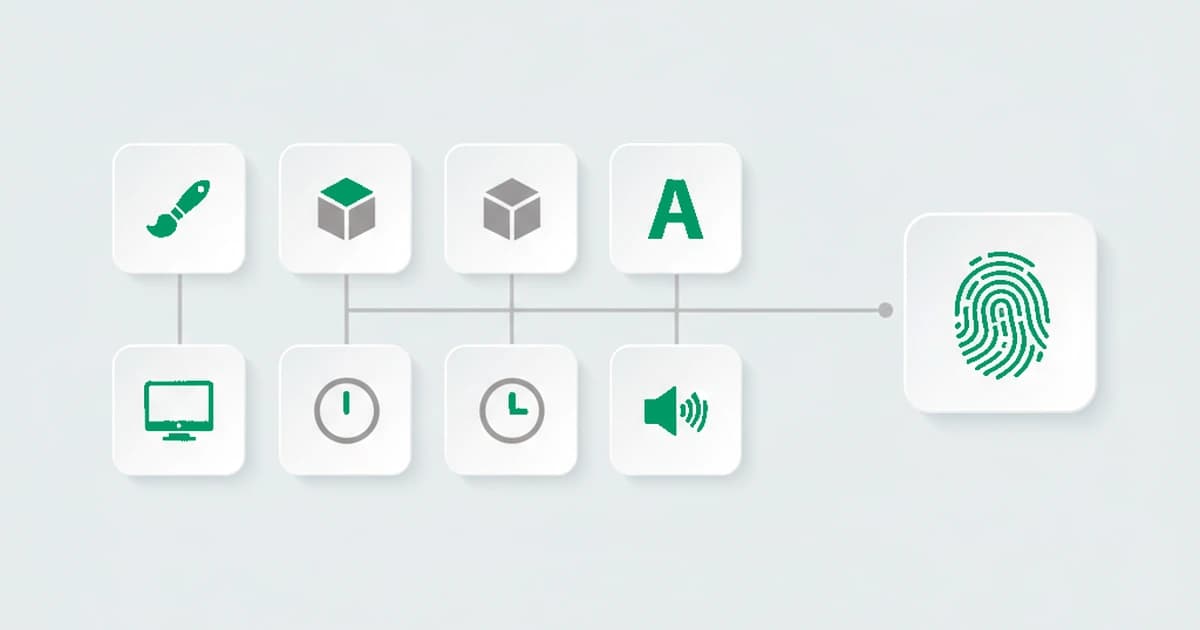
Browser fingerprinting identifies a device from 300+ datapoints. Learn how canvas, WebGL, and IP signals work, plus detection methods and countermeasures.
Canvas fingerprinting identifies a browser by how it renders a hidden image. How it works, what it reveals, how stable it is, and its role in fraud detection.
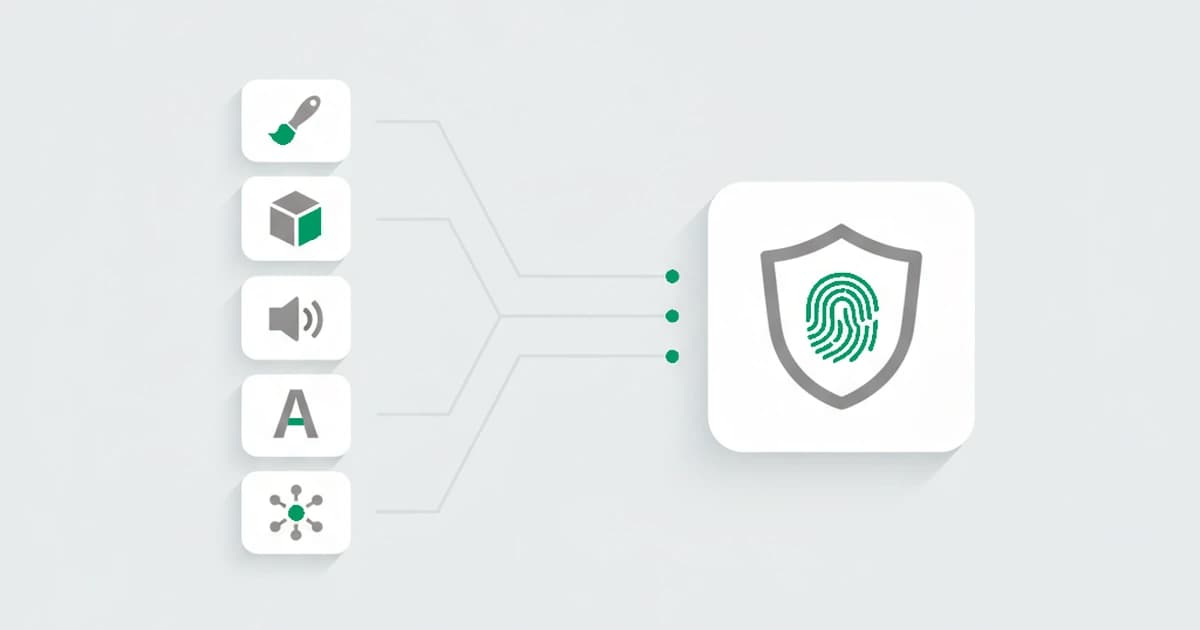
The main browser fingerprinting techniques: canvas, WebGL, audio, fonts, TLS (JA3/JA4), and more, what each one reads and how stable it is.
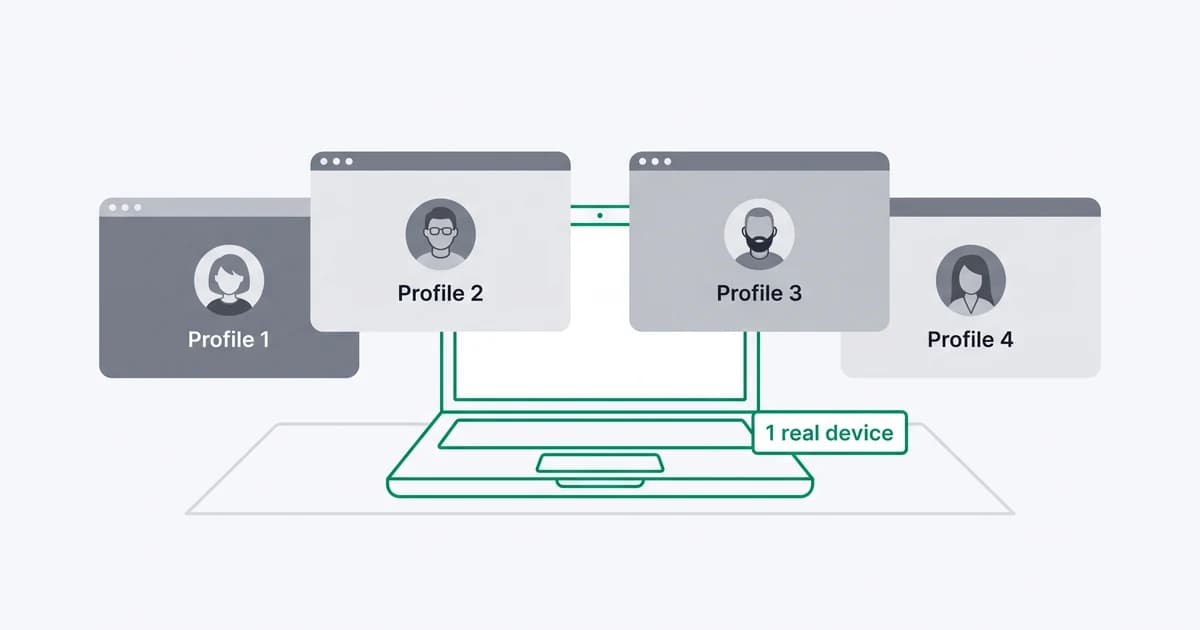
Anti-detect browsers fake a new device per profile to power multi-accounting. How to detect them: the signals that expose them and why no one check is enough.
