

IP Reputation Can Mislead Fraud Teams: One IP, Dozens of Users

Last updated on October 14, 2026 · 10 min read
IP reputation is a helpful context signal but is brittle and often misleading when used alone. Networks shift addresses constantly, blocklists lag behind active abuse, and proxies blur the line between infrastructure and identity. The fix is not to discard IP data, but to pair it with recency and persistence checks, device signals, and graduated responses rather than a single permanent block.
TL;DR:
- Mobile carriers can route thousands of subscribers through one shared address, while roaming and lease changes can give one person several addresses.
- Proxies should remove forwarding headers supplied by internet clients and append verified addresses only within infrastructure controlled by the service.
- Set every IP block to expire and send expired entries for manual review; broad or permanent blocks can catch legitimate people sharing infrastructure.
- Classify infrastructure first, then weigh device history, session behavior, and account records; use CAPTCHA or email checks before manual review and temporary blocking.
Table of Contents
- Why IP addresses are unreliable as stable identifiers
- Technical pitfalls: spoofing, proxy-protocol bugs, and header trust problems
- Operational pitfalls: overblocking, stale blocklists, and measurement blind spots
- Mitigations and design patterns: combining signals, recency, and graduated responses
- EEAT: how anonymity and persistent-recognition signals make IP reputation safer
- Author Jeff's perspective: operational changes to make today
- How ShieldLabs can provide the signals needed to use IP reputation safely
- FAQ
- Sources
Why IP addresses are unreliable as stable identifiers
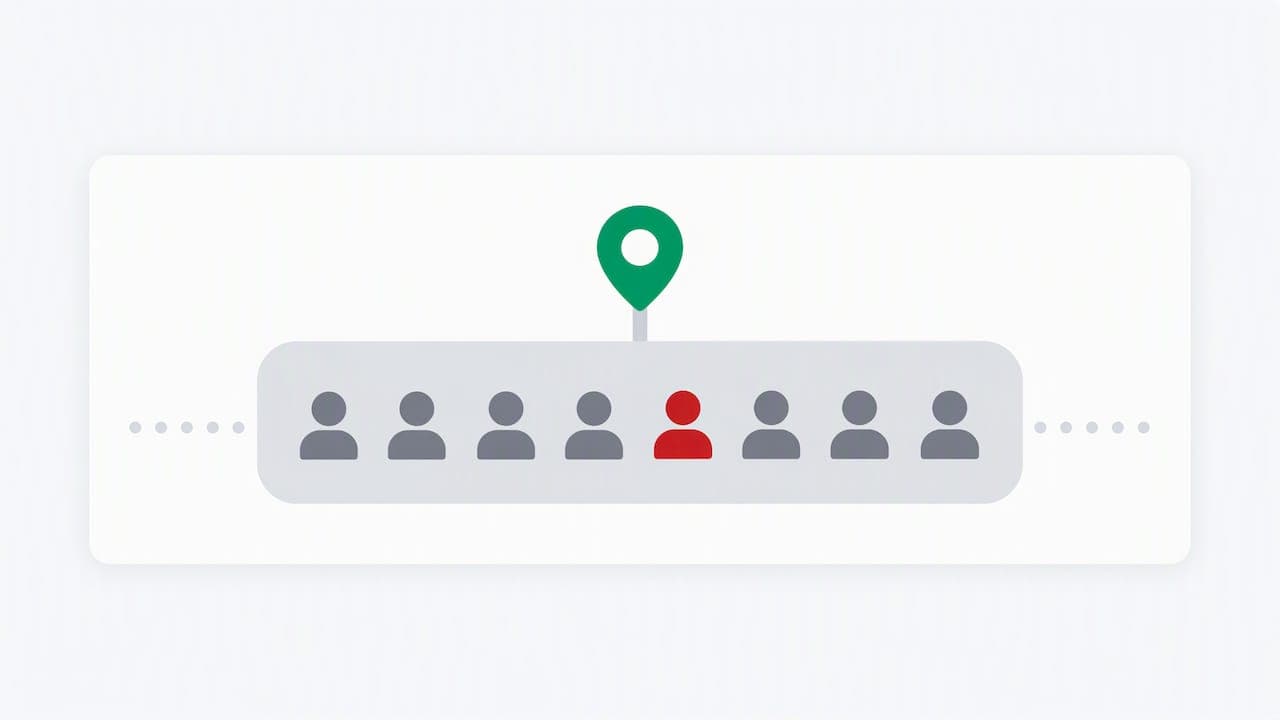
IP reputation assumes a stable link between an address and the person behind it. That assumption breaks down constantly in real networks. Carrier-grade NAT routes thousands of mobile and broadband subscribers through a shared pool of public addresses, so one IP can represent many unrelated people within the same hour, and one person can show several IPs in a single session as they roam between cell towers.
DHCP leases expire and reassign, which means an address flagged for abuse yesterday might belong to a legitimate customer today. Mobile carriers rotate addresses even more aggressively, and home routers often renew their public IP on every reboot.
Residential proxies and VPNs add a deliberate layer of obfuscation on top of this natural churn, deliberately decoupling the visible IP from the device or person actually making the request.
The result is that an IP address functions as a session-level network signal, not a durable identity marker:
- A single IP can represent dozens of unrelated users behind carrier-grade NAT.
- The same user can appear under several IPs within one browsing session.
- Reassigned addresses carry the reputation of whoever used them last, not the current visitor.
Technical pitfalls: spoofing, proxy-protocol bugs, and header trust problems
Many reputation checks fail not because the data is outdated, but because the architecture trusts the wrong input in the first place. When an application reads the client IP from a header instead of validating the connection source, that header becomes an attack surface.
- Header spoofing through unvalidated proxies. A WordPress firewall plugin demonstrated this directly: the IP Vault plugin allowed attackers to spoof their address by manipulating the
X-Forwarded-Forheader, letting blocked traffic bypass IP-based restrictions entirely (NVD - CVE-2022-4536). - PROXY protocol parsing flaws. ProxySQL's handling of PROXY protocol frames allowed forged source IP claims in certain versions, letting upstream traffic misrepresent its origin to downstream logic (NVD - CVE-2026-48772).
- Rate limits keyed to spoofable headers. Comment and form plugins have shipped the same flaw: trusting a client-supplied header for rate limiting instead of the actual TCP connection, which lets one visitor masquerade as many.
ShieldLabs tracks CVE classes like these as reference points: these two entries alone show how header trust and proxy parsing bugs let attackers rewrite the address a backend believes it is talking to.
The practical fix is architectural. Reverse proxies and load balancers should strip inbound X-Forwarded-For and X-Real-IP headers from the public internet and only append trusted values at the edge, where the infrastructure controls the chain, using effective IP restrictions implemented across layers to prevent locking out admins.
Operational pitfalls: overblocking, stale blocklists, and measurement blind spots
Even accurate IP data causes damage when the response policy is too blunt. Blocking an entire netblock to stop a handful of abusive addresses routinely catches legitimate users who happen to share infrastructure, and indefinite blocks compound the problem over time.
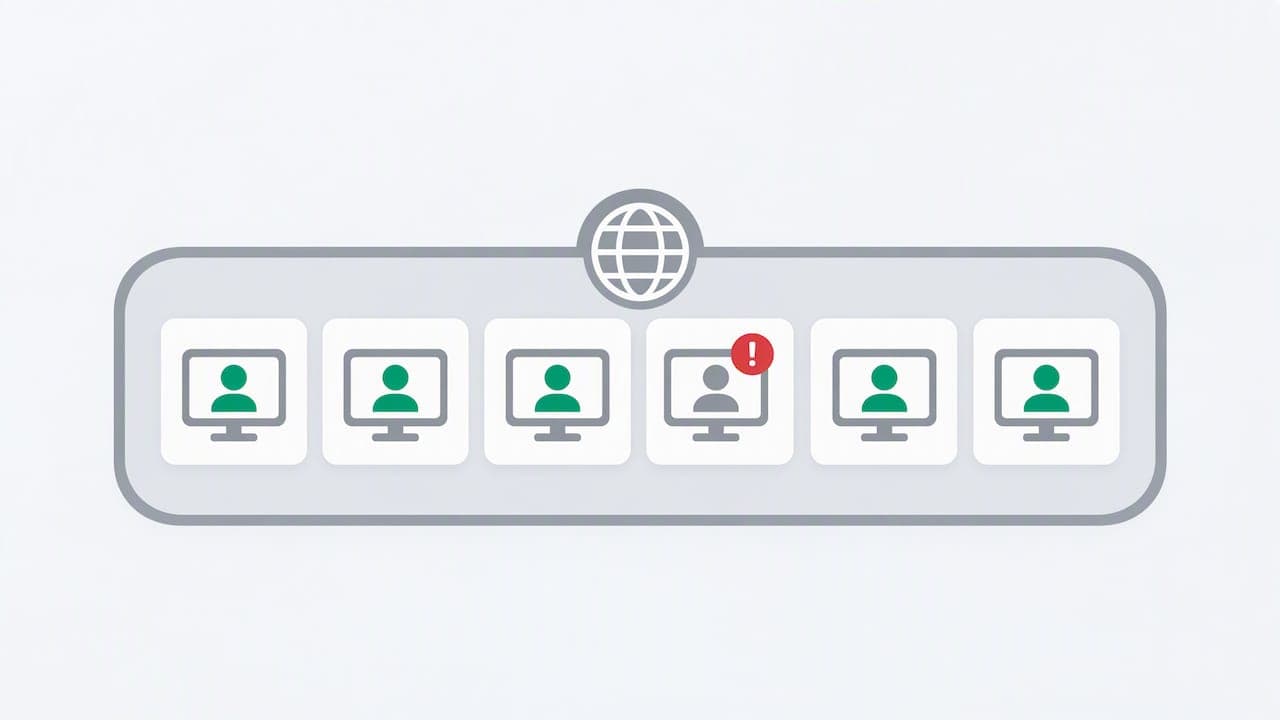
Best-practice guidance on IP-based blocking is explicit that responses should be proportional and time-limited rather than permanent, with a review or appeals mechanism built in rather than left to chance (blocking best-practices draft).
Two failure patterns show up repeatedly in production fraud stacks:
- Teams import third-party blocklists once and never re-review them, so addresses that have changed hands keep inheriting a stale reputation.
- Marketing and analytics teams never learn that a chunk of "converted" traffic was silently dropped at the network layer, which quietly skews acquisition and conversion metrics.
Pro Tip: Set an expiration on every IP-based block and route expired entries to manual review instead of silent renewal.
Mitigations and design patterns: combining signals, recency, and graduated responses
IP data answers one question well: what kind of infrastructure is this request coming from. It cannot answer who is behind it or whether this specific visit is malicious, and treating it as a yes-or-no verdict is the core mistake behind most of the pitfalls above.
Infrastructure intelligence (classifying an IP as residential proxy, datacenter, or mobile carrier) and abuse reputation (whether that specific address has been reported for bad behavior) answer different questions and belong at different points in a decision chain. Infrastructure classification is largely stable and can gate access before judging intent; abuse reputation is backward-looking and should only ever add weight, never serve as the sole trigger (IPinfo).
Residential proxies make this especially visible: they rotate IPs quickly and mix real-user addresses with proxy exits, so by the time an address lands on a reputation list, the abusive session has often already cycled to a new one. A deeper look at residential proxy behavior shows why recency and persistence metrics matter more than a static list in that scenario.
A practical combination sequence:
- Classify the IP's infrastructure type (residential, datacenter, mobile, VPN exit).
- Add a device fingerprint to check whether this device has a history on the account.
- Weigh session plausibility, such as velocity and behavioral consistency.
- Check account history for prior confirmed fraud or chargebacks.
| Signal | What it tells you | Where it fits |
|---|---|---|
| IP infrastructure type | Residential, datacenter, mobile, or VPN exit | Early gate, before intent judgment |
| Device fingerprint recency | How long this device has been seen | Weight toward trust or friction |
| Abuse reputation | Past reported activity on this address | Supporting weight, never sole trigger |
| Account history | Prior confirmed fraud or disputes | Final escalation decision |
Escalation should move in steps: friction such as a CAPTCHA or email confirmation, then manual review for ambiguous cases, and only then a temporary block with a defined expiration. Feed confirmed outcomes, both false positives and confirmed fraud, back into the rules so thresholds tighten or loosen based on evidence rather than guesswork.
EEAT: how anonymity and persistent-recognition signals make IP reputation safer
The signals that make graduated responses possible are the ones IP lists cannot provide on their own: anonymity classification and persistent device recognition across visits.
We score each visit across the full spectrum of anonymity, including VPNs, proxies, Tor, Apple Private Relay, datacenter ranges, anti-detect browser detection, and automation, drawn from more than 100 signals per visit. Identification persists over time, so a returning visitor is recognized with up to 99% accuracy despite cleared cookies, incognito mode, or IP rotation.
- Every risk score arrives with the underlying signals attached, so the verdict is auditable rather than a black box.
- The dashboard splits traffic into clean, low, medium, and high risk bands and surfaces patterns like multi-accounting across devices and identities.
- Anonymity and persistence signals are available on every plan, not gated behind an enterprise contract.
In a typical workflow, a visit from a residential proxy paired with a device never seen before triggers friction. The same proxy address paired with a device recognized from dozens of prior clean sessions can bypass that friction, because recency and persistence outweigh a single infrastructure flag. The decision itself stays in the customer's own code.
Author Jeff's perspective: operational changes to make today
IP reputation is context, not a verdict. Two changes matter immediately: stop issuing permanent, IP-only blocks, and start instrumenting recency and persistence so a device's history carries real weight in the decision. After making that switch, watch one number: the drop in false-positive blocks on returning customers. If that number does not move, the signals are not combined correctly yet.
— Jeff
How ShieldLabs can provide the signals needed to use IP reputation safely
Building the layered approach above from scratch means stitching together infrastructure classification, anonymity detection, and persistent device recognition yourself. We expose all three as part of the same risk score, with the signals behind each verdict visible so your team can set its own thresholds instead of trusting a black box.
- Start with 5,000 free identifications, no card required, to test recency and persistence on your own traffic.
- Review the visitor identification product page for integration details across web and backend stacks.
- Apply graduated responses using the risk bands and signals your team already trusts to block fraud, without handing over the final decision.
FAQ
Is IP reputation enough to block a visitor on its own?
No. IP reputation reflects infrastructure and past reports, not the current visitor's identity, so a single address can represent many legitimate users or none at all. Best-practice guidance recommends pairing it with device and session signals and applying proportional, time-limited responses rather than a standalone block (blocking best-practices draft).
Why do residential proxies make IP reputation lists unreliable?
Residential proxies rotate through real-user addresses quickly, so an address flagged today may belong to a different person by the time a blocklist updates. This backward-looking lag means infrastructure classification and persistence checks catch risk earlier than reputation lists alone (IPinfo).
How long should an IP-based block last?
Blocks should be proportional to the observed activity and time-limited rather than indefinite, with a review or appeals path built in. Permanent or broad netblock blocking tends to catch legitimate users who share infrastructure with abusive ones (blocking best-practices draft).
Does IPv6 change how IP reputation works?
IPv6's larger address space means each device more often gets its own unique address instead of sharing one behind NAT, which can make individual IPv6 addresses more identifying than IPv4 ones in some networks. That said, carriers still rotate and reassign IPv6 prefixes, so the same recency and persistence caveats still apply.
What is the safest way to trust a client IP behind a proxy?
Validate the request at the edge and strip any client-supplied forwarding headers before they reach your application logic, since unvalidated headers have led to real spoofing vulnerabilities in production systems (NVD - CVE-2022-4536). Only append trusted IP values at a point in the chain the public internet cannot reach.
Sources
- The fraud signal everyone knows but few use — IPinfo (2026-06-09)
- NVD - CVE-2022-4536
- NVD - CVE-2026-48772
Recommended
Related articles

Time Zone Fraud: 6 Signals Security Teams Can Verify in Logs
Learn how security and fraud teams detect time zone fraud, compare browser and IP signals, and preserve forensic evidence with logs normalized to UTC.


Device Spoofing Detection for Web Fraud Teams
How browser, device and TLS signals reveal spoofing on the web, plus where mobile attestation belongs in a separate defense layer.

5 Low Latency Checks to Detect Anti Detect Browsers for Fraud Teams
Research backed playbook for fraud teams: five low latency checks to spot anti detect browsers, signal to score mapping, and a ShieldLabs setup path.