

Fraud Prevention Strategies for Web Apps

Last updated on October 12, 2026 · 9 min read
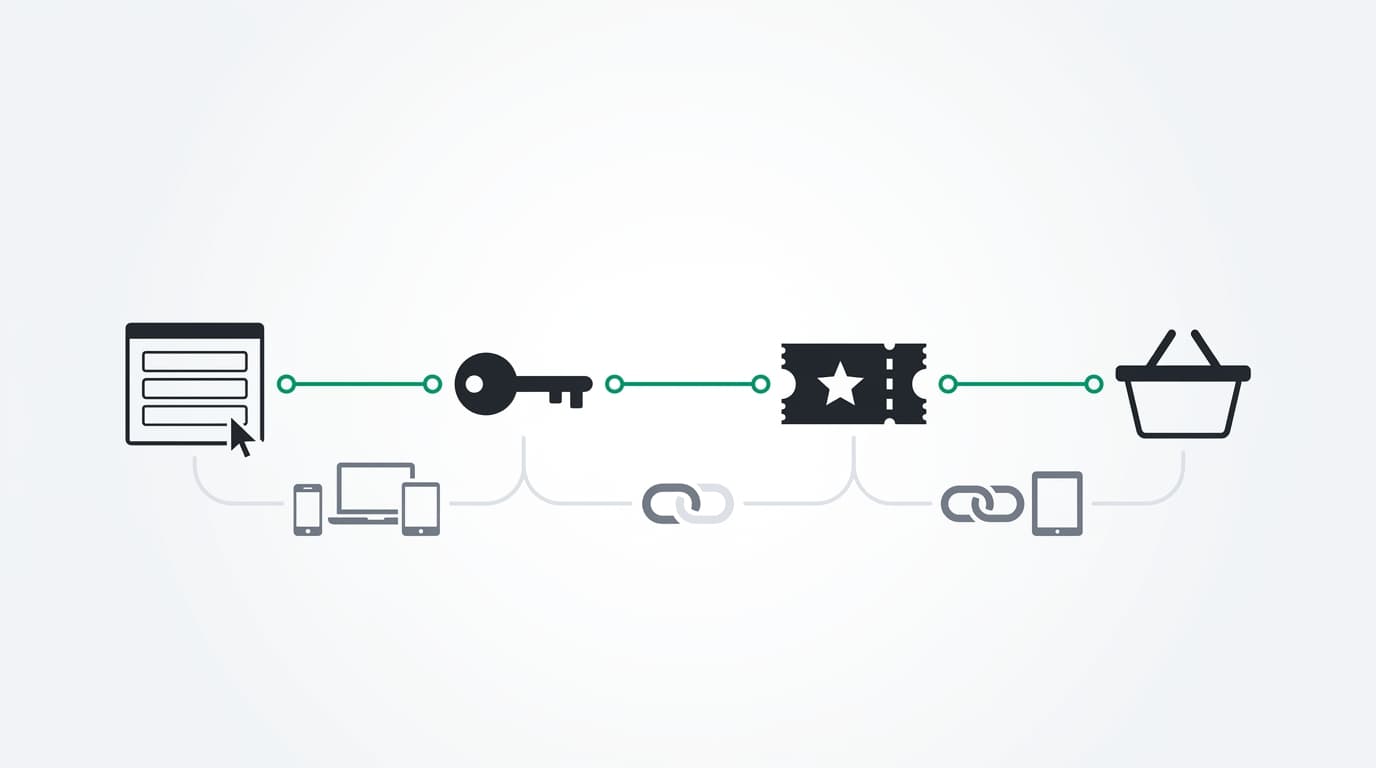
The most effective fraud prevention strategies for a web app start with a simple question: what can a person gain at each step, and what evidence can the app collect before that gain is delivered? An email address, IP address or payment method alone rarely explains the full story. A useful strategy links the account, device, session and behavior across the journey, then applies a control that fits the risk at that step.
Stripe's March 2026 first-party fraud analysis describes abuse at signup, during trial use and after purchase. The stages matter because the same actor may change email, account or card details between them. OWASP likewise maps automated threats to specific web-app endpoints: signup, login, catalog, checkout and public API calls have different exposure.
Key takeaways
- Map fraud risks to user actions rather than installing one universal rule at the edge.
- Join account, device, network and event history before deciding whether activity is linked.
- Use verification, limits and review where they fit the flow; reserve friction for risky cases.
- Measure both abuse stopped and legitimate users disrupted.
What is a fraud prevention strategy for a web app?
A web-app fraud prevention strategy is a set of controls tied to specific user journeys. It defines which abuse matters, what evidence is available before an action completes, how the app responds, and how the team measures mistakes. Signup abuse needs identity and benefit controls; login abuse needs authentication and account protection; checkout needs payment and device context.
This distinction prevents a common failure: treating all suspicious traffic as one queue. A search crawler, a customer on a privacy relay, a script testing leaked passwords and a person claiming a signup credit repeatedly may all trigger unusual traffic signals. They call for different actions.
The table below is a starting map, not a product configuration or a claim that any one tool performs every control.
| Journey step | Common abuse | Evidence to join | Suitable controls |
|---|---|---|---|
| Signup | Fake accounts, repeated offers | Account, returning device, network, signup velocity | Verification, benefit eligibility, review of linked accounts |
| Login | Credential stuffing, account takeover | Failed and successful attempts, known device, location changes | Rate limits, breached-password checks, MFA step-up, recovery review |
| Trial or rewards | Trial cycling, referral and bonus abuse | Benefit claims, account links, device history | Per-person eligibility, delayed reward, linked-account investigation |
| Checkout | Card testing, taken-over account purchases | Payment outcome, account age, device and session risk | Gateway fraud controls, 3-D Secure where appropriate, card-attempt limits |
| Public content and API | Scraping, fake engagement, excess usage | Bot behavior, identity or API key, traffic source | Per-key quotas, rate limits, verified crawler policy |
Start with the abuse event, then choose the evidence
Name the event you want to reduce before buying a control. “Fraud” is too broad to set a useful threshold. “One person claims the same welcome benefit through multiple accounts” has a clear actor, action and unit of value. It also tells you what to join: accounts, devices, sessions and claims.
For each event, write down four fields: the triggering action, the possible loss, the evidence visible before fulfillment, and the action your team can take. If the evidence arrives after fulfillment, it is useful for investigation but cannot prevent that transaction in real time.
At signup, an IP address alone is a weak identity key: several legitimate people can share one IP, while one person can rotate IPs. Email verification proves access to an inbox, not that the account is a new person. Device and account linkage add continuity, but they also need context; a shared family device can create legitimate overlaps.
OWASP's bot management guidance recommends identifying the threatened endpoint first. That makes it easier to avoid a site-wide control that punishes low-risk visits while leaving the valuable action exposed.
Protect signup and benefits together
Signup protection fails when it ends at creating an account. The expensive action may happen a minute later, when the new account receives free compute, a coupon, a referral reward or a first-order discount. Check eligibility again at the benefit boundary.
A practical sequence is: verify the contact method, identify the returning device context, compare the new account with past claims, then decide whether to grant immediately, delay or review the benefit. Where a program allows households or teams, document those legitimate sharing cases before setting a one-device-one-account policy.
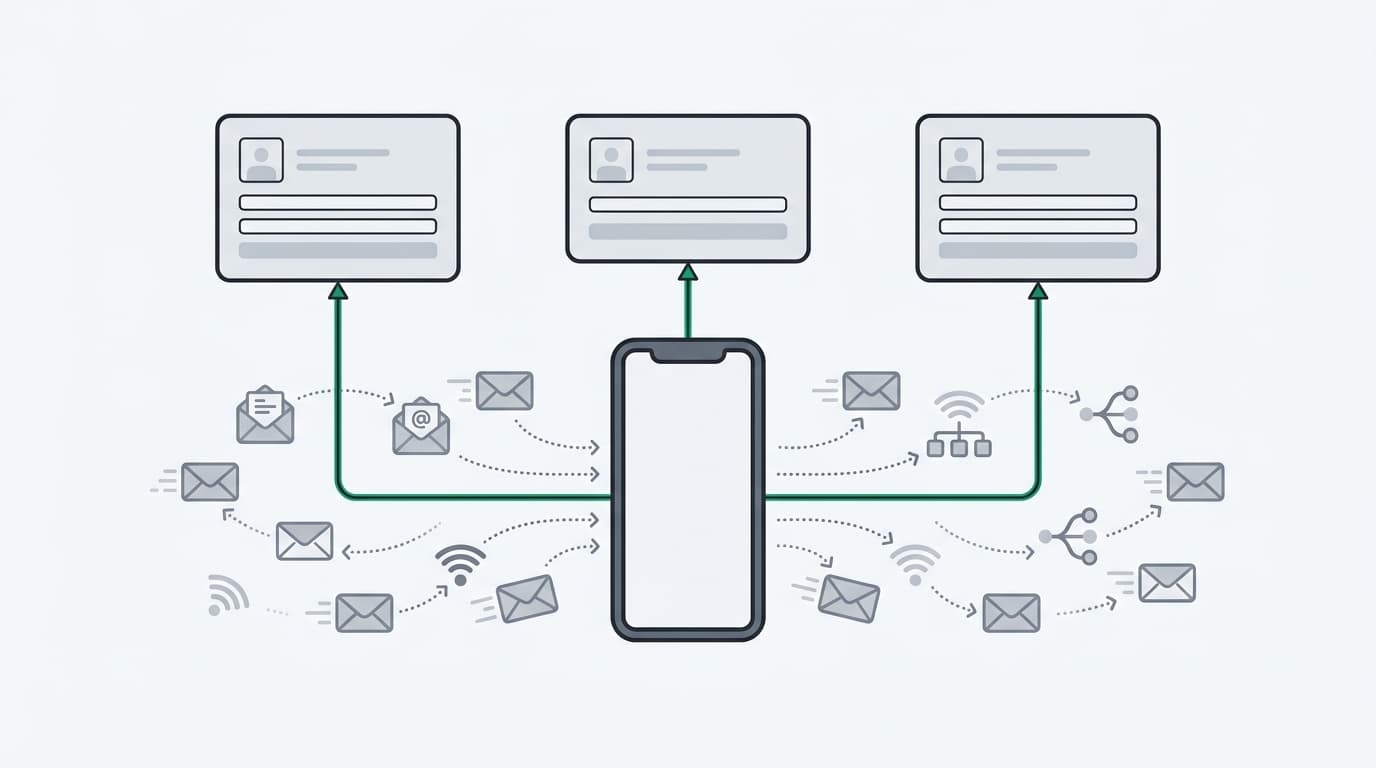
In Stripe's analysis, 7.4% of signups at AI companies were implicated in suspected multi-account abuse. That is a result from Stripe's observed network and definition, not a baseline for every web app. The actionable lesson is to measure the benefit claim and the linked accounts behind it, not just the number of new emails.
For deeper examples, see free-trial abuse and multi-accounting prevention.
Treat login as a separate fraud decision
A legitimate account can become risky after signup. Credential stuffing replays stolen username and password pairs; account takeover is the successful use of an account by someone else. A valid password, by itself, cannot settle whether the returning session belongs to the usual user.
At login, combine per-account and per-origin attempt limits with strong authentication. OWASP's Credential Stuffing Prevention Cheat Sheet covers MFA, breached-password checks, rate limiting and layered signals. Compare a successful login with the account's known device and recent geography, especially before password changes, payout changes or other sensitive actions.
Do not set the same friction level for every login. Step-up verification is most useful when it protects a valuable action or resolves a genuine change in context. Measure challenge completion and support contacts alongside fraud outcomes, so a decrease in suspicious logins is not merely an increase in locked-out customers.
Read the account takeover detection guide for the login and recovery signals in more detail.
Add device evidence before the checkout decision
Payment controls and device controls answer different questions. Gateway rules, issuer authentication and transaction models assess the card and purchase. Device evidence asks whether this checkout is connected to earlier attempts, accounts or masked sessions. A web app that waits until the payment result may miss card testing that is visible in a sequence of attempts.
Join checkout attempts by the account, device and payment response. Check whether a run of declines spans many cards or accounts, whether a newly created account reaches checkout immediately, and whether the session's network and browser signals conflict. Then let the payment gateway and issuer perform their own payment-specific checks.
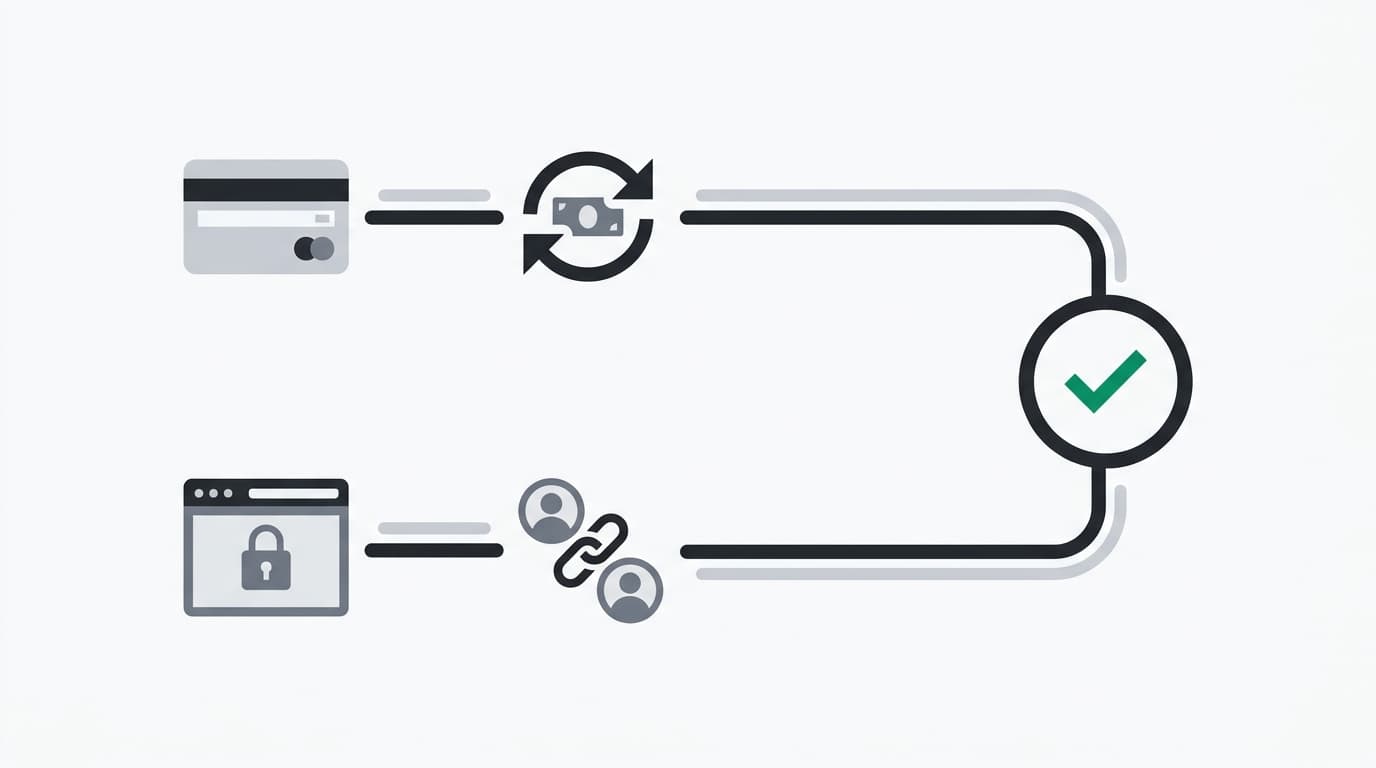
This does not mean a device identifier authorizes a charge or proves card ownership. The payment gateway fraud detection guide explains how the layers complement one another; card-testing fraud goes deeper on repeated attempts.
Measure prevention as a decision system
Counting blocked sessions is insufficient. A team needs to know whether the action affected actual abuse, which legitimate users it delayed, and what happened after review. Define a small scorecard before rollout:
| Measure | Why it matters |
|---|---|
| Confirmed abuse per 1,000 relevant actions | Tracks the outcome the control is meant to change |
| Legitimate users challenged or delayed | Exposes customer friction and false positives |
| Repeat attempts across linked accounts/devices | Shows whether the same actor simply returned |
| Time from first signal to response | Reveals whether the evidence arrives early enough |
| Appeal or manual-review reversal rate | Finds controls that overreach |
Keep the denominator tied to the protected action: signups for signup abuse, benefit claims for trial cycling, logins for account takeover, and attempts or orders for checkout. A blended “fraud rate” hides which control is working.
Where ShieldLabs fits in this strategy
ShieldLabs connects device, visitor, user and network evidence across web sessions. It collects 300+ device, network and behavior signals, returns named risk signals and a 0–100 risk score, and automatically detects multi-accounting, account sharing, impossible travel and account takeover. Bot and AI traffic detection and traffic-quality analytics add context at the acquisition and automation layers.
Install the browser snippet or SDK to collect the web context, then use the API and webhooks to bring the result into signup, login, benefit and checkout workflows. ShieldLabs gives the risk evidence and ready-made detections; your team chooses the action for each case. The Free plan includes 5,000 identifications one time, with self-serve paid plans as traffic grows.
Ready to connect fraud signals across the user journey?
See the linked device and account evidence behind signup, login and checkout. Start Free
Sources
- Stripe, “Analyzing first-party fraud trends: Account, free trial, and refund abuse” (March 2026)
- OWASP, Bot Management and Anti-Automation Cheat Sheet
- OWASP, Credential Stuffing Prevention Cheat Sheet
Recommended
Frequently asked questions
- Which fraud prevention strategy should a web app implement first?
- Start with the action that creates the clearest loss or abuse cost. For many SaaS products that is repeated free access at signup; for stores it may be card testing or account takeover at checkout. Map the action, available evidence, control and outcome metric before adding more signals.
- Is device fingerprinting enough to prevent fraud?
- No single identifier or signal settles intent. Device continuity can connect repeated sessions and accounts, but authentication, payment controls, behavior and review still matter. Use a device link as evidence in the workflow rather than a universal block rule.
- How do you reduce false positives in fraud prevention?
- Use controls proportionate to the action and the strength of the evidence. Combine independent signals, allow legitimate sharing patterns, use step-up or review for uncertain cases, and track reversal rates and customer friction alongside confirmed abuse.
Related articles
UTM Fraud Detection: 4 Signal Groups for Marketing Analysts
See how analysts use MRC and IAB standards, GA4 and BigQuery checks, and visit signals to assess UTM traffic, with explainable scores from ShieldLabs.


Web Device Binding: Coarse Fingerprints Link Visits for Fraud Teams
Learn how web device binding helps fraud teams recognize visitors with coarse fingerprints while managing privacy, latency, drift, and false positives.
Remember This Device for MFA With a Persistent Device ID
Design remember this device for MFA with a revocable trust credential, persistent device context, expiry and step-up authentication for sensitive actions.
