

What is WebGL fingerprinting? How the GPU gives a device away
WebGL fingerprinting identifies a device by how its GPU renders 3D graphics. How it works, what it reveals, and how it differs from canvas.
Blog / Device intelligence
WebGL fingerprinting identifies a device by how its GPU renders 3D graphics. How it works, what it reveals, and how it differs from canvas.
Font fingerprinting identifies a device by which fonts are installed, read from how text renders. How it works, what it reveals, and how stable it is.
Audio fingerprinting identifies a device by how it processes a sound signal in the browser. How it works, what it reveals, and how stable it is.
What is device fingerprinting: the signals that make up a device fingerprint, how the recognition works across browsers, web vs mobile, and what teams use it for.
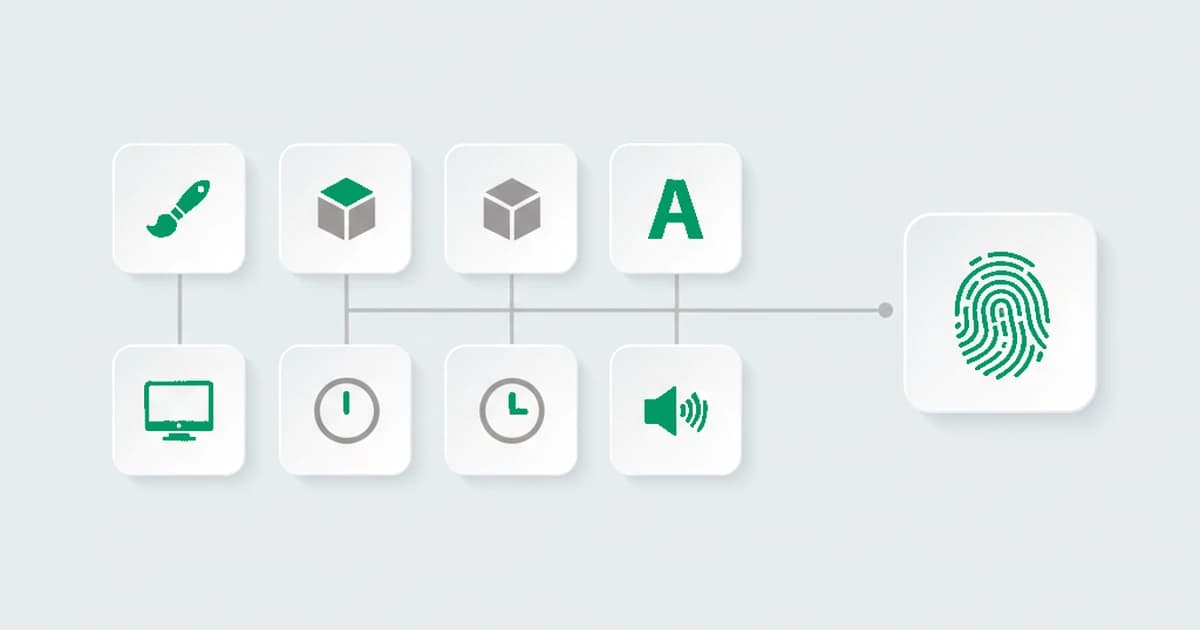
Browser fingerprinting identifies a device from 100+ datapoints. Learn how canvas, WebGL, and IP signals work, plus detection methods and countermeasures.
Canvas fingerprinting identifies a browser by how it renders a hidden image. How it works, what it reveals, how stable it is, and its role in fraud detection.
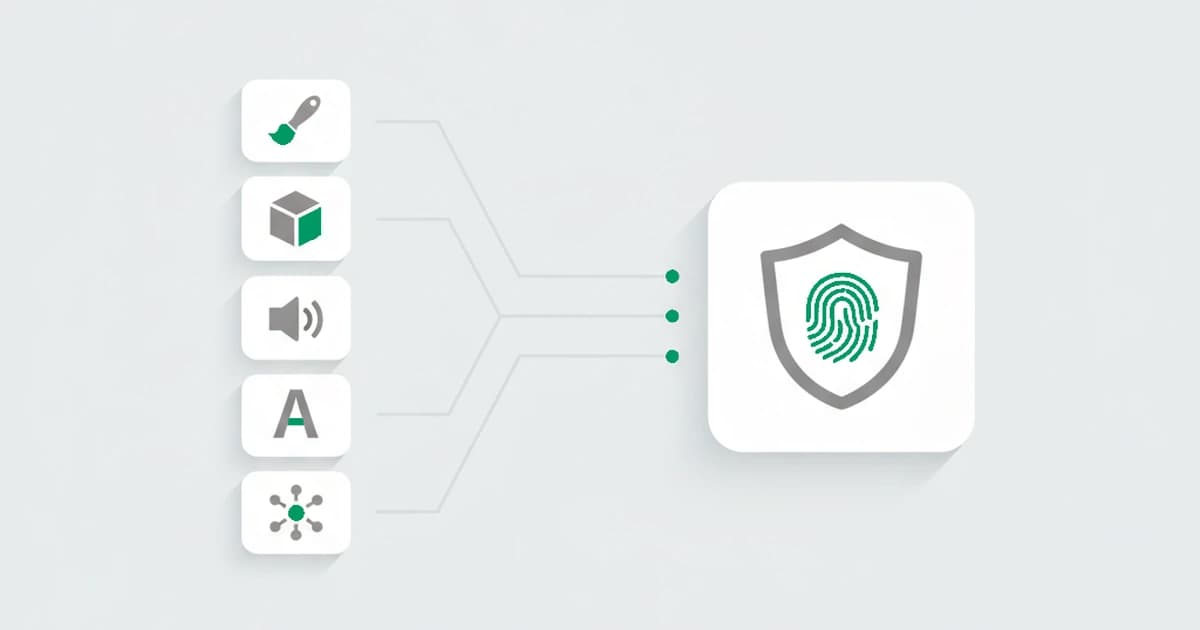
The main browser fingerprinting techniques: canvas, WebGL, audio, fonts, TLS (JA3/JA4), and more, what each one reads and how stable it is.
